Bad Gastein as a Residential Location – Alpine Architecture, Established Structures and a Distinctive Property Market
Anyone looking into real estate in Bad Gastein quickly notices that this town in the Gastein Valley has its own dynamics. Historic grand hotels, steep hillside locations, and an internationally oriented tourism market shape the picture just as much as classic residential buildings and smaller apartment complexes. Buyers often ask whether a condominium makes sense as a main residence, second home, or investment—and what is legally permitted at all.
Bad Gastein at a Glance
| Key figure | Value |
|---|---|
| Population (1 Jan 2026) | 3,883 |
| Elevation | 1,000 m |
| Area | 170.6 km² |
| Distance to the city of Salzburg | 95 km |
| District | St. Johann im Pongau (Pongau) |
| Overnight stays, tourism year 2024/25 | 1,051,568 (262 per resident) |
| Second homes | second-home restriction municipality (State of Salzburg, as of 15 Aug 2025) |
Source: State of Salzburg, municipal profile Bad Gastein (in German); list of second-home restriction municipalities (in German).
Character of the Location
Townscape and Building Structure
Bad Gastein is built in terraces along the steep slopes of the Gastein Valley at around 1,000 m above sea level. The townscape is strongly shaped by historic architecture from its spa heritage. Many buildings date from the Belle Époque, when Bad Gastein was one of the most important spa centers in Europe.
Between the large hotel buildings and old villas, there are now also smaller residential buildings, apartment complexes, and modernized existing buildings. Due to the topography and the historic structure, new construction is only selective. The hillside location means that many apartments offer wide views over the valley.
Living Experience and Atmosphere
Bad Gastein feels different from classic Salzburg residential towns: a mix of alpine spa resort, international tourism destination, and established place to live. With around 262 overnight stays per resident, it is one of the most tourism-intensive municipalities in the state. Life takes place along the steep streets and squares around the waterfall, the center, and the historic buildings; quieter residential areas lie on the side slopes.
Different Neighborhoods and Their Character
The historic center around the waterfall and the Kaiser-Wilhelm-Promenade is strongly shaped by tourism, with many renovated buildings, hotels, and holiday apartments. Somewhat outside lie classic residential areas with single-family homes and smaller multi-unit buildings, where the share of permanently occupied properties is higher. Toward Böckstein and Bad Bruck, the structure becomes quieter and more residential.
Residential Areas in Bad Gastein at a Glance
| Residential area | Character | Suitable for |
|---|---|---|
| Center, waterfall, Kaiser-Wilhelm-Promenade | Renovated historic buildings, high share of tourism | Singles, couples, tourist-use properties (where permitted) |
| Hillside locations outside the center | Views, more permanent residents | Owner-occupiers, families |
| Böckstein, Bad Bruck | Quieter, looser development, some larger plots | Families, single-family homes |
Location & Accessibility
Transport Connections and Commuting Distances
Bad Gastein lies in the Pongau, about 95 km from the city of Salzburg. The connection runs via the Gastein road through the entire valley; from St. Johann im Pongau there are further connections toward Salzburg. For many buyers, daily commuting matters less than accessibility as a place to live or holiday.
Public Transport and Everyday Mobility
Bad Gastein train station offers rail connections within the Gastein Valley and toward Schwarzach-St. Veit with connections to the Tauern railway line. Within the valley, bus lines run between Bad Gastein, Bad Hofgastein, and Dorfgastein. Because of the hillside layout, many routes within the town are covered by car or via short footpaths.
Infrastructure & Everyday Life
For a town of its size, Bad Gastein offers solid basic services with supermarkets, smaller shops, and services. Kindergarten and primary school are located in the town; secondary schools are usually attended in Bad Hofgastein or St. Johann im Pongau. Medical practices, therapy centers, and medical facilities partly grew out of the spa tradition; for more extensive care, hospitals in Schwarzach or St. Johann im Pongau are available.
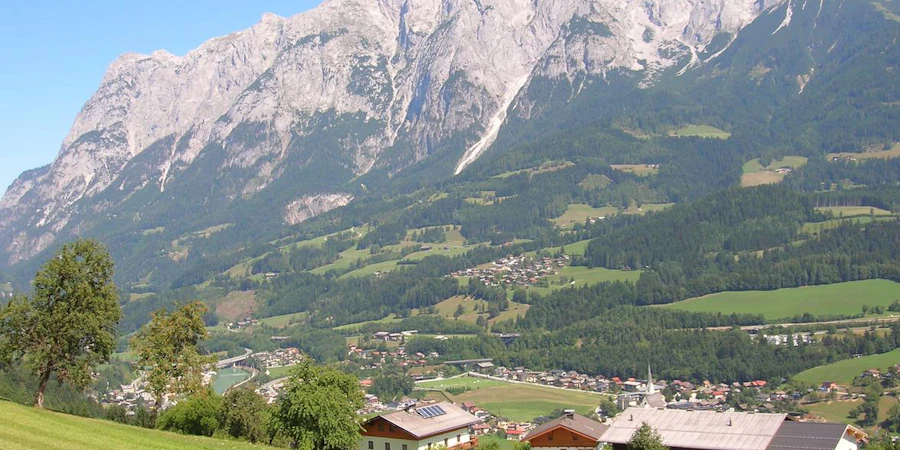
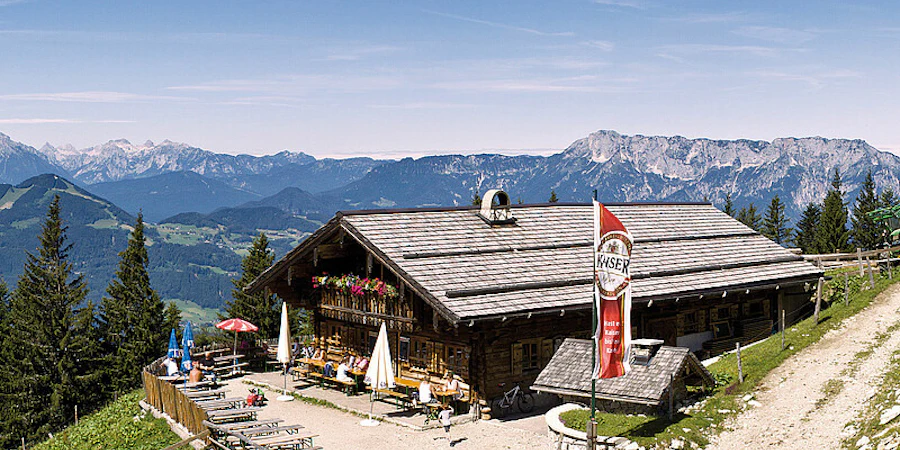
Some hiking trails start directly within the town. In winter, several ski areas in the Gastein Valley are available, including Stubnerkogel-Angertal-Schlossalm. Thermal spas and wellness facilities are part of the local infrastructure, and the Hohe Tauern mountains shape the landscape.
Real Estate Market & Demand
The market for condominiums in Bad Gastein is strongly shaped by second homes, tourist uses, and international buyers. At the same time, there is local demand for apartments as main residences, especially in quieter parts of town. New projects are usually small; older buildings are often renovated and converted into modern apartments.
Prices differ significantly by location: central areas with tourist use often achieve different prices than quiet residential locations on the outskirts. Views, hillside position, building type, and the legally permitted use also play an important role.
Second Homes and Legal Framework
According to the State of Salzburg list (as of 15 August 2025), Bad Gastein is a second-home restriction municipality. Use as a holiday or second home is generally only permitted in specially designated areas, with existing rights, or with an exemption; violations can be fined up to EUR 25,000. Precisely because the market is strongly shaped by leisure use, the permitted use of each apartment should be clarified with the municipality before buying. Details are explained in our guide Second homes and land transfer in Salzburg and Tyrol (in German).
Who Is Bad Gastein Suitable For?
- Families: quiet surroundings close to nature, preferably outside the tourist core.
- Commuters: jobs in the Gastein Valley and the Pongau; longer routes lead to St. Johann or Schwarzach.
- Investors: renovated historic buildings and apartments suitable for tourist use—the permissibility of the use is decisive.
- Singles and couples: smaller apartments in the center or in locations with views.
Further Guides (in German)
- Selling property in Salzburg: process, costs, taxes
- Selling a hotel or guesthouse
- Property purchase contracts in Austria
- Real estate agent in the Gastein Valley
Summary
- Historic architecture and a striking townscape at around 1,000 m above sea level.
- Residential areas from the tourist center to quiet hillside locations in Böckstein and Bad Bruck.
- Very high tourism intensity and strong demand for holiday properties—combined with strict second-home rules.
- Limited new construction due to topography and existing buildings.