Character of the Location
Townscape and Building Structure
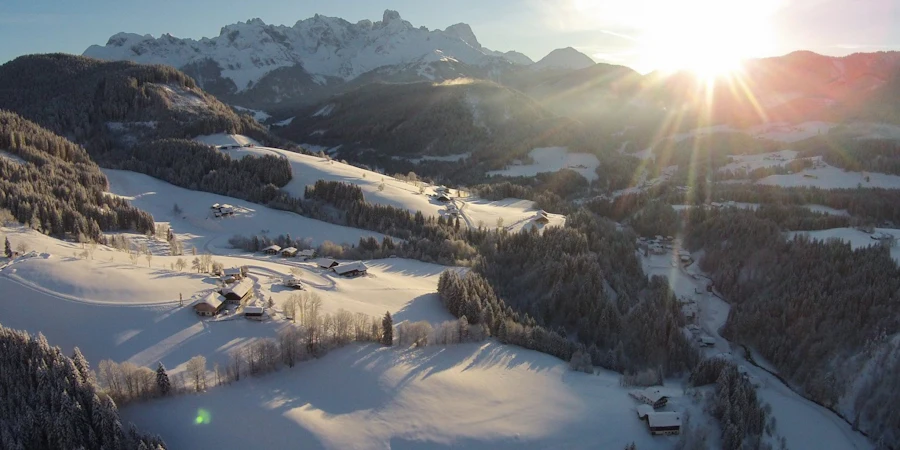
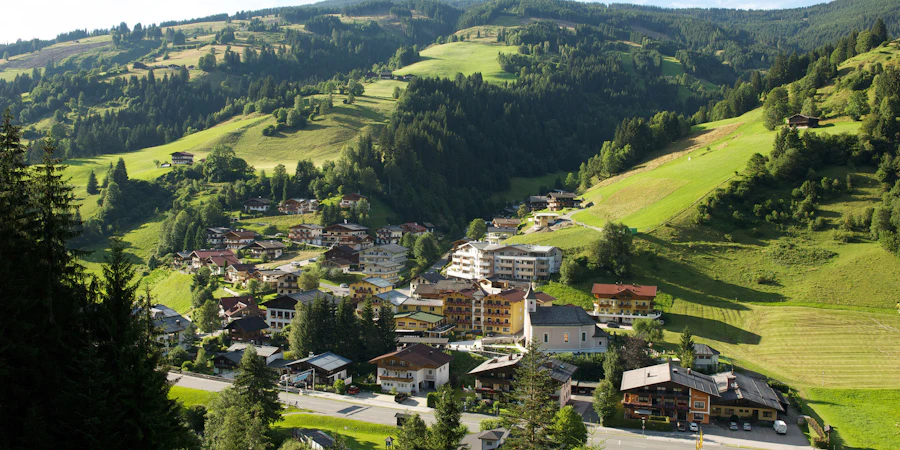
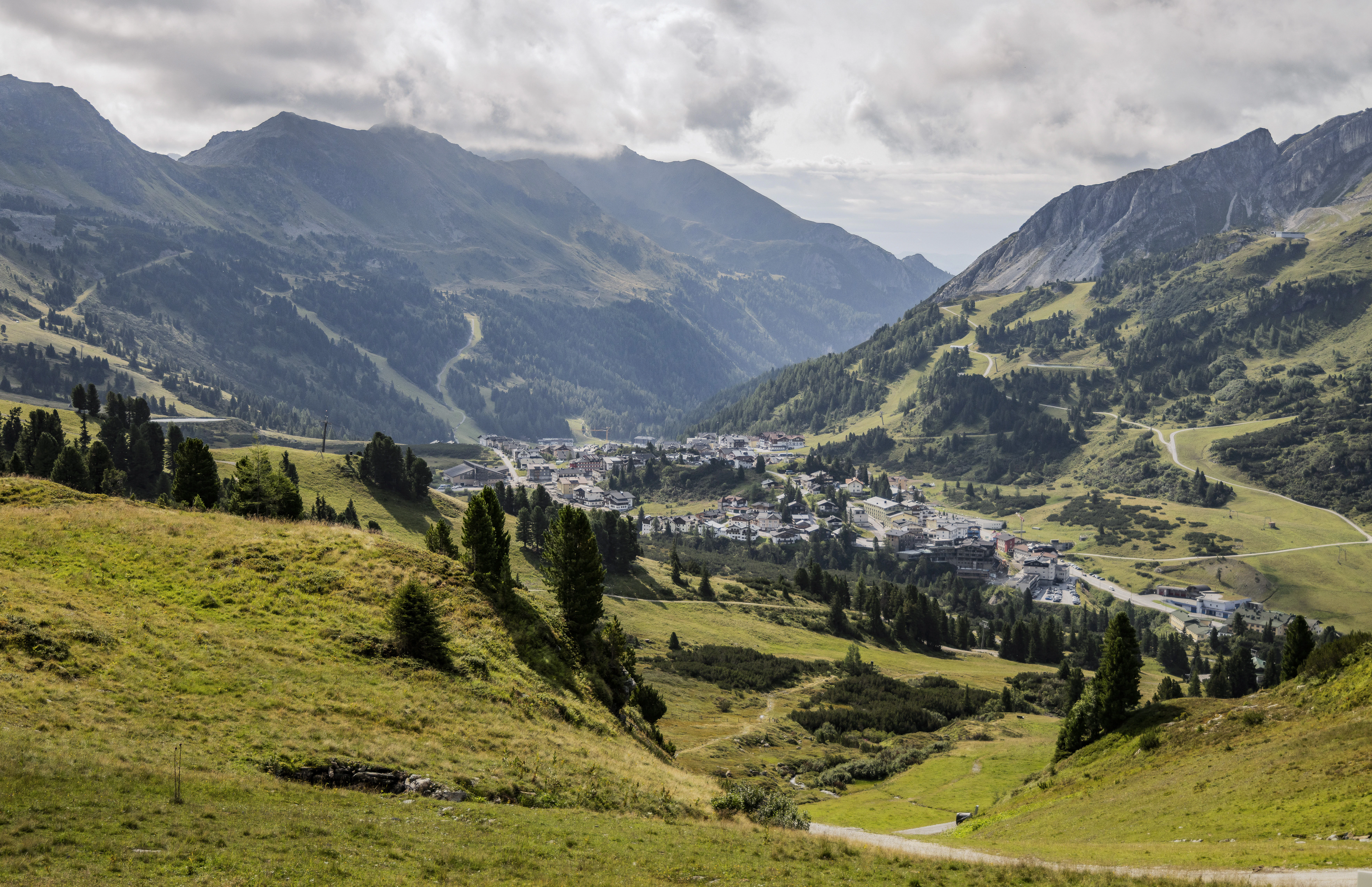
Anyone interested in real estate in Obertauern quickly notices that it is not a traditionally developed town center, but rather a compact, tourism-oriented settlement at the mountain pass. The townscape is shaped by hotels, apartment buildings, and mixed-use properties, complemented by individual residential homes and staff accommodations. Many buildings are designed for winter operations, which is reflected in layouts, auxiliary spaces, and building services.
Living Experience and Atmosphere
In winter, Obertauern is vibrant, busy, and strongly geared toward guests. During the off-season, it becomes significantly quieter; some businesses close, and everyday life takes on an almost village-like character. These two distinct faces are important for owner-occupiers, as well as for investors who need to carefully assess occupancy rates, operating costs, and management.
Different Areas and Their Characteristics
Within Obertauern, there are no traditional “districts” but rather micro-locations along the pass road and in hillside settings. Areas close to central infrastructure and ski access are more practical but also more active. More secluded zones offer greater tranquility, though access and winter maintenance become more relevant factors. In hillside locations, orientation often determines sunlight exposure, wind conditions, and snow accumulation.
Location & Accessibility
Transport Connections and Commuting Distances
Obertauern is located high on the Tauern Pass, typically accessed via Radstadt or from the Lungau side. For commuters, this is manageable but clearly dependent on weather conditions. In winter, snowfall and traffic volumes can significantly impact travel times. Anyone regularly traveling to Radstadt, Altenmarkt, or Salzburg should test the route at their usual times.
Public Transport and Daily Mobility
There are regional bus connections, but in everyday life, a car is often the most practical solution. Parking, access roads, and snow clearance are not just “nice to have” but key quality factors when choosing a property. Within the village, many distances are short, especially in more central locations.
Central vs. Quieter Locations
In Obertauern, “central” typically means proximity to restaurants, ski operations, local amenities, and transport stops. This brings convenience but also higher foot traffic and seasonal noise. Quieter locations tend to be slightly removed or elevated, offering more privacy and often better views, but with greater dependence on access and weather conditions.
Infrastructure & Daily Life
Local Amenities and Education
Local supply is tailored to the village and is strongest during peak season. For larger purchases or a wider range of options, residents travel to nearby towns. Educational facilities for families are located in the surrounding region rather than within the tourist center, so school routes and childcare should be planned in advance.
Medical Care and Services
Healthcare services within Obertauern are seasonal. For specialists, larger pharmacies, or more extensive services, nearby towns such as Radstadt, Altenmarkt, or Tamsweg are relevant. This is not a major obstacle for buyers, but it does influence location choice and intended use.
Leisure and Green Spaces
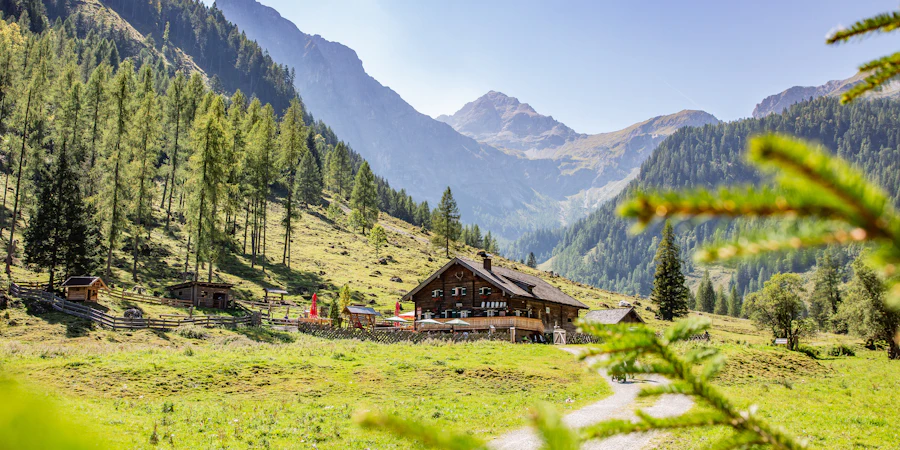
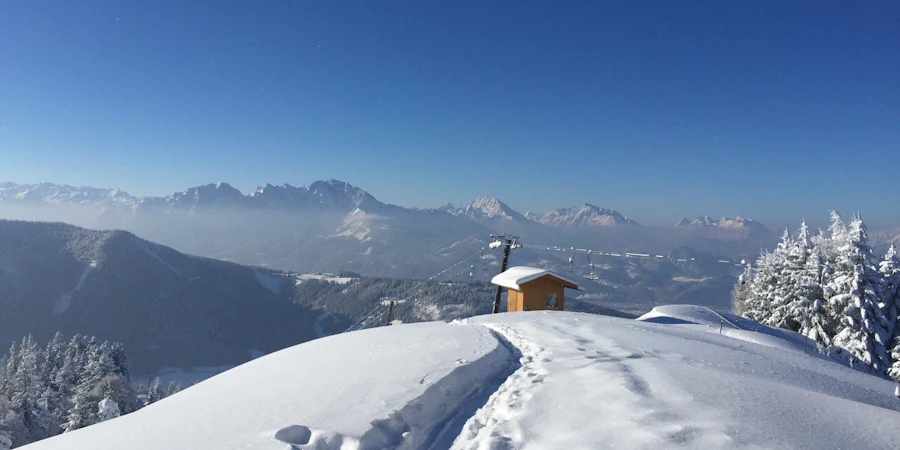
Leisure is not an add-on in Obertauern—it is part of the location’s identity. Winter sports dominate, while summer offers hiking, biking, and nature experiences. Green spaces begin right outside the front door, although the high-alpine environment also requires awareness of weather, terrain, and safety.
Residential Areas in Obertauern at a Glance
Central Residential Areas with Urban Character
Those who value short distances will find the highest density of amenities in the central area near the pass: shops, restaurants, ski access, and services. For apartments in central Obertauern, factors such as lift access, property management, delivery zones, and parking are often decisive.
Family-Friendly Residential Areas
Families in Obertauern prioritize tranquility, safe winter access, and practical parking solutions. Suitable areas are typically on the outskirts or in side locations, away from heavily frequented routes. It is also important to consider how daily life will be organized long-term, especially regarding school commutes.
New Developments and Current Trends
New construction in Obertauern is usually limited to densification or replacement projects rather than large-scale developments. For buyers, key factors include energy performance, underground parking, ski storage, building systems, and clearly defined usage regulations (primary residence, secondary residence, or tourist rental). These aspects should be thoroughly reviewed in writing before purchase.
Quiet Peripheral Locations with Natural Surroundings
Peripheral areas offer more distance and often better views but require a realistic assessment of winter suitability: access roads, snow loads, snow clearance, and drainage are more relevant. Anyone looking to buy a house in Obertauern should pay particular attention to the condition of the roof, façade, and outdoor areas in the alpine climate.
Leisure & Surroundings
Sports and Recreation
The key strength of Obertauern lies in its immediate proximity to sports activities. For owner-occupiers, this means short travel times and high quality of life during the season. For investors, it drives demand, albeit with clear seasonal peaks and quieter periods.
Dining and Local Offerings
The village offers a wide range of dining options, especially in winter. Permanent residents experience a more limited selection outside peak seasons, which can be pleasantly quiet but requires some planning.
Nature and Recreation Areas
The surrounding mountains and valleys shape daily life. Many trails start directly in the village, although weather changes are common. Buyers of second homes should also consider maintenance, regular inspections, and property management.
Real Estate Market & Demand
Demand for Apartments
Demand in Obertauern often focuses on compact, easy-to-manage units. Buyers typically prioritize ski-in/ski-out proximity, parking, storage space, and a property community that aligns with their intended use. In mixed-use buildings, it is advisable to carefully review reserves, meeting minutes, and actual management practices.
New Development and Project Planning
Developments are typically small-scale and heavily regulated. The key question is less about “new vs. old” and more about transparency in zoning, usage, and operating costs. Particularly in tourist-oriented properties, ongoing costs and management structures should be realistically assessed.
Differences by Micro-Location
Micro-location plays a crucial role in Obertauern. Proximity to lifts and the center increases convenience and rental potential but may also bring more activity and noise. More secluded locations offer tranquility but require greater self-management. Orientation (sun, wind) and snow conditions also significantly impact everyday usability.
Owner-Occupiers vs. Investors
Owner-occupiers typically seek predictable costs, good accessibility, and a harmonious residential environment. Investors focus more on usage rights, rental models, and professional management. Anyone looking to buy property in Obertauern should clearly define their objectives, as these strongly influence the ideal location and property type.
Who Is a Property in Obertauern Suitable For?
Families
Obertauern is suitable for families if daily life in the region is well planned: schools, childcare, commuting, and a quiet residential setting. Practical aspects such as covered access, storage space, and parking are often more important than a “beautiful floor plan.”
Commuters
Commuters benefit from regional connections but must account for winter conditions. Those traveling early or returning late should carefully assess access routes and parking situations.
Investors
Investors will find a market where management and regulations are key. Usage, rental structures, maintenance, and reserves must be transparent before committing. Clear documentation is more valuable than any glossy brochure.
Singles and Couples
Singles and couples often appreciate proximity to sports and nature, as well as short distances within the village. However, seasonality should be considered—those seeking tranquility may prefer quieter locations or buildings with primarily residential use.
Summary
- Obertauern is compact, high-alpine, and strongly seasonal; micro-location determines daily life, tranquility, and accessibility.
- Central locations offer convenience and activity, while quieter areas provide privacy but require reliable access and organization.
- For apartments, management, reserves, and usage regulations are often decisive.
- For houses, structural condition, snow load, and outdoor areas are particularly important in the alpine climate.