Anyone dealing with real estate in Innsbruck quickly realizes that the city is small enough for short distances while still being a demanding market. Supply and demand meet limited space, diverse neighborhoods, and a buyer base ranging from owner-occupiers to investors.
Character of the Location
Townscape and Building Structure
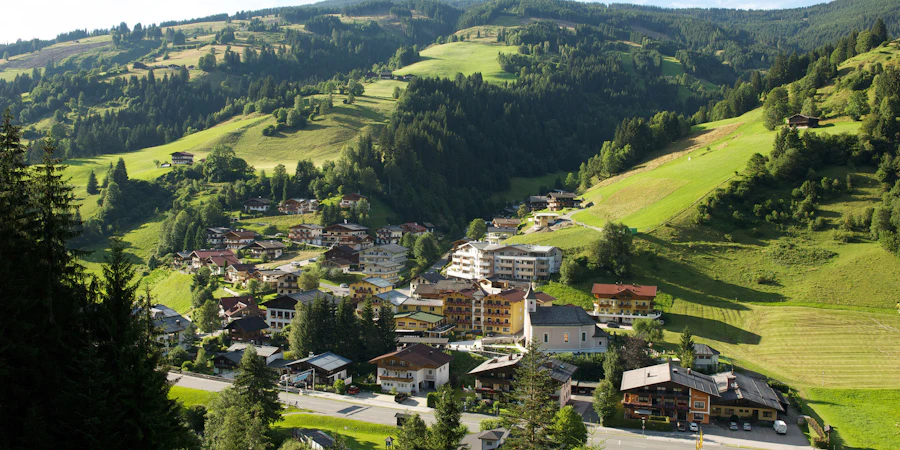
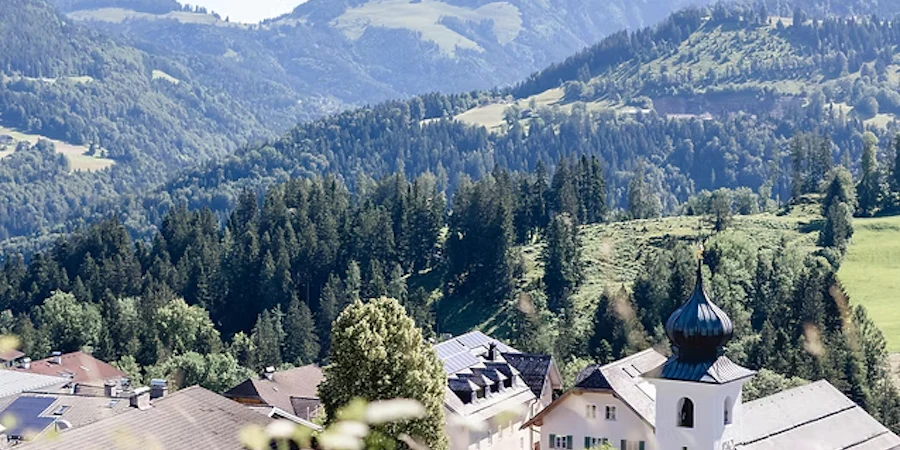
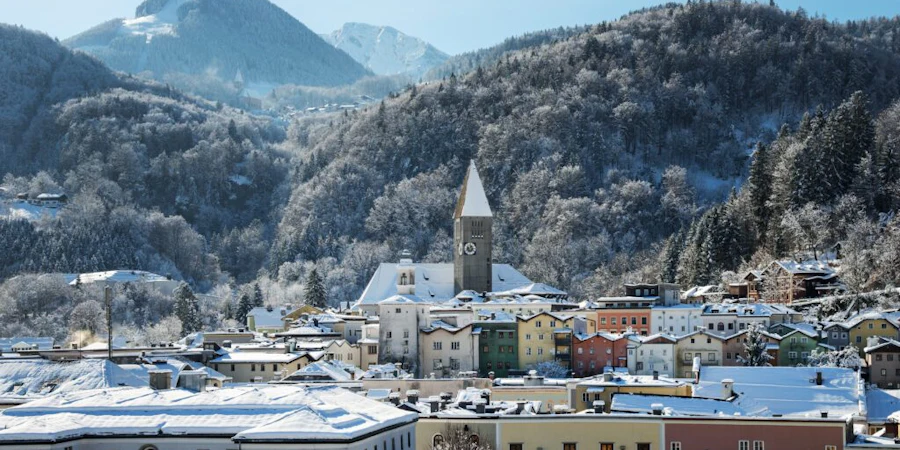
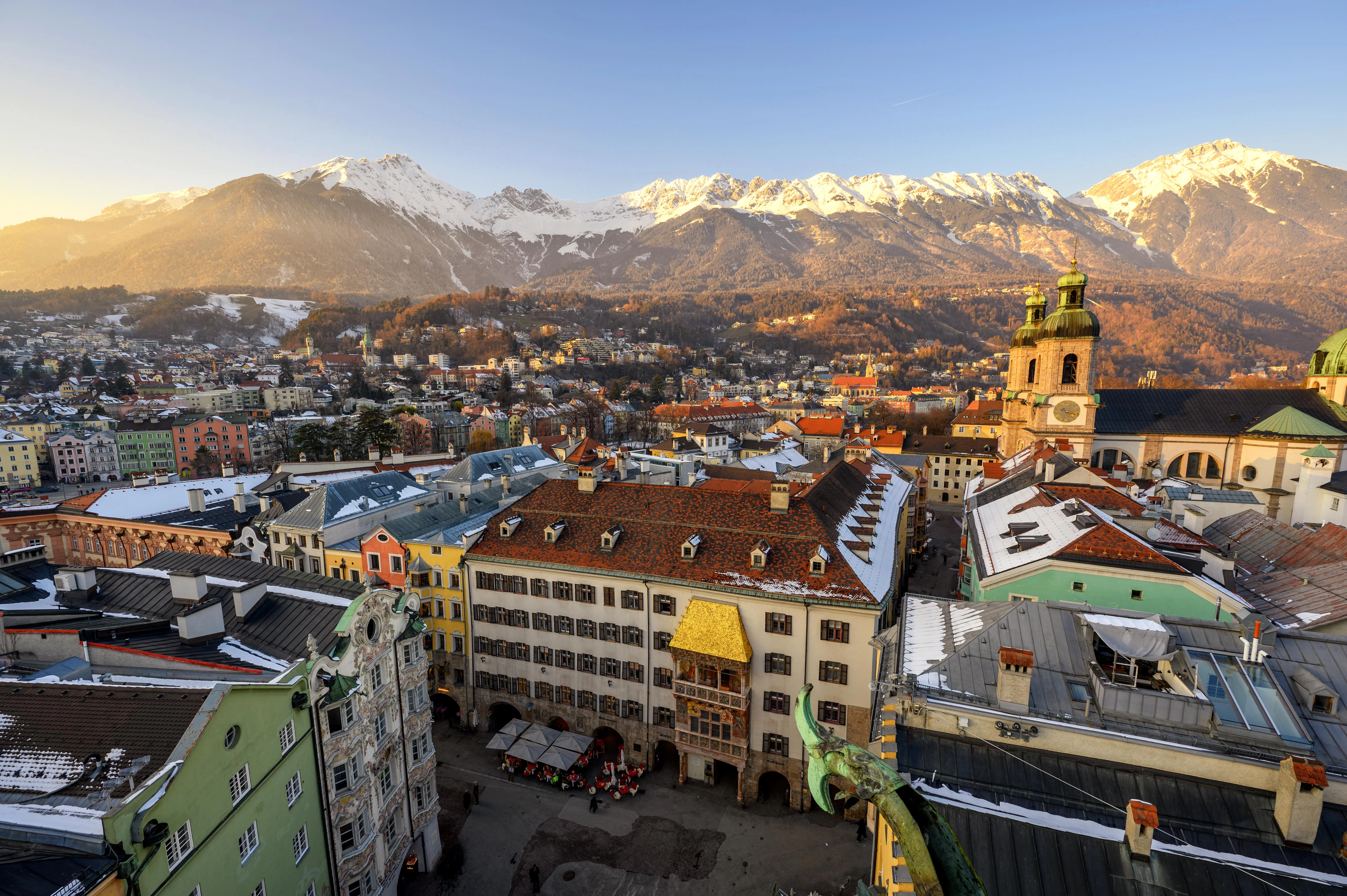
Innsbruck has developed historically, with a dense city center, Gründerzeit districts, and post-war neighborhoods, complemented by selective new developments. Along the Inn River and in the valley corridors, development is more compact, while hillside areas and the city outskirts offer more greenery and a more open structure.
Living Experience and Atmosphere
The lifestyle is urban but not metropolitan. Many daily errands can be done on foot or by bicycle, while the proximity to the mountains is constantly present in everyday life. Depending on the location, the soundscape and daily rhythm can differ significantly: the city center, university surroundings, and traffic corridors are more lively, while quiet residential streets and peripheral areas feel noticeably more relaxed.
Different Neighborhoods and Their Character
The old town and adjacent areas are defined by historic buildings, mixed-use structures, and short distances. Wilten is often sought after due to its proximity to the center, established character, and good infrastructure. Pradl and parts of Amras offer a large stock of residential buildings from different construction periods; here, the specific street often matters more than the district name. Hötting and Mühlau provide, depending on the area, more hillside orientation, views, and a different residential quality, while Arzl, Igls, or Vill tend to have the character of suburban districts with their own identity.
Location & Accessibility
Transport Connections and Commuting Distances
Innsbruck is a major hub in the Inn Valley. For commuters heading west (e.g., to Telfs) or east (e.g., to Hall in Tirol), the valley routes are decisive, as well as access to train stations and major roads. Those commuting daily from the surrounding region usually pay closer attention to accessibility and parking than to pure square meter prices.
Public Transport and Everyday Mobility
Public transport is well usable within the city, and many everyday journeys can be managed without a car. In central areas, proximity to stops and service frequency plays a major role, while in peripheral areas the last evening connection and access to key transfer points become more important.
Central vs. Quiet Locations
Living centrally in Innsbruck often means short distances but more activity and fewer outdoor spaces. Quieter areas are typically found away from main roads, in side streets, or in locations with more greenery and hillside exposure. When viewing properties, it is worth paying attention to traffic, noise, and parking pressure at different times of the day.
Infrastructure & Everyday Life
Local Amenities and Educational Facilities
Local supply is solid in many districts and usually walkable in central areas. Families pay particular attention to kindergartens, schools, and safe routes to reach them; in Innsbruck, the combination of residential street, school route, and nearby childcare options often plays a decisive role.
Medical Care and Services
As the capital of Tyrol, Innsbruck offers a wide range of doctors, pharmacies, and services. For older owner-occupiers or buyers considering long-term usability, proximity to medical care and barrier-free access is increasingly becoming a decisive factor.
Leisure and Green Spaces
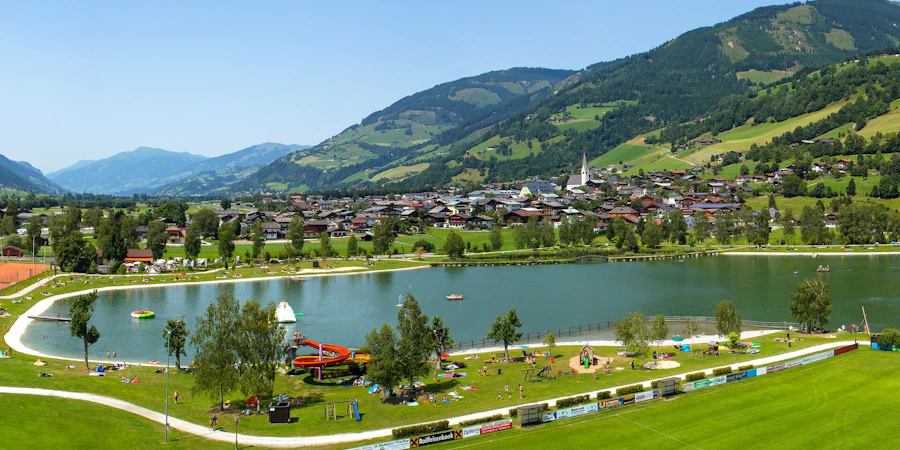
The city is strongly defined by sports, mountains, and green spaces. The Inn cycle path, parks, and nearby recreational areas are more than just amenities—they influence how a location is experienced in everyday life, particularly for smaller apartments.
Residential Areas in Innsbruck at a Glance
Central Residential Areas
Areas close to the city center offer gastronomy, culture, and short distances. Those looking for a condominium in Innsbruck in a central location often encounter older buildings, smaller layouts, and wide price variations depending on condition, elevator availability, outdoor space, and orientation.
Family-Friendly Neighborhoods
Families often focus on quieter streets, playgrounds, schools, and practical floor plans. Parts of Hötting, Amras, Arzl, or quieter sections of Pradl offer locations that work well for everyday life while still maintaining access to the city.
New Developments and Current Trends
New construction in Innsbruck typically occurs selectively through densification or larger development areas. For buyers interested in new developments, factors such as construction quality, energy standards, outdoor spaces, parking, and the building community are crucial. Anyone planning to buy a new apartment in Innsbruck should also realistically assess the long-term costs (operating costs, reserves, and property management).
Quiet Peripheral Areas with Green Surroundings
At the city’s edges and in higher areas, sunlight, views, and hillside locations become more significant. Igls, Vill, or peripheral parts of Arzl and Mühlau often feel more village-like; however, distances to the city center are longer and not always equally convenient without a car.
Leisure & Surroundings
Sports and Recreation
Skiing, hiking, climbing, and cycling begin practically at the doorstep. This proximity influences demand, especially among buyers who choose Innsbruck as their primary place of living rather than only as a workplace.
Gastronomy and Local Offerings
The area around the city center, Wilten, and major axes offers a dense selection of restaurants and cafés, while residential districts are more focused on everyday needs. For many buyers, the key question is whether there are evening options within walking distance or whether the neighborhood becomes quiet after business hours.
Nature and Local Recreation
The Inn River, city parks, and immediate access to the mountains shape the character of the city. Locations with quick access to green routes and outdoor areas are often valued more highly in daily life than a theoretically central location without outdoor space.
Real Estate Market & Demand
Demand for Condominiums
Demand for well-designed apartments remains constant, particularly for functional two- to three-room layouts. A condominium in Innsbruck is valued very differently depending on location, condition, and building quality; older buildings without elevators, attic apartments with sloped ceilings, or ground-floor units are typical factors that strongly influence the price range.
New Construction and Development
Due to limited space, new construction remains a smaller segment of the market. Projects are often sold quickly, but buyers examine details closely: fittings, building specifications, sound insulation, and the quality of outdoor areas determine whether an offer remains attractive in the long term.
Differences by Micro-Location
In Innsbruck, the micro-location is often more important than the district name. Proximity to major roads, railway lines, or heavily used corridors can significantly affect residential quality. Conversely, quiet side streets within otherwise lively districts often maintain very stable demand.
Owner-Occupiers vs. Investors
Owner-occupiers focus more on everyday practicality, natural light, outdoor spaces, and the surrounding environment. Investors examine rental demand, maintenance condition, and reserve funds more closely. Anyone looking to buy property in Innsbruck should separate these perspectives: what is ideal for personal use is not always the best investment logic.
Who Is an Apartment in Innsbruck Suitable For?
Families
Families usually look for more space, reliable routes, and a quiet environment. Not only square meters matter, but also storage space, elevators, stroller accessibility, and whether school and leisure activities can be reached without complex daily logistics.
Commuters
Commuters benefit from the compact city structure and connections across the Inn Valley. Those aiming for efficiency during the week often prioritize proximity to the main train station, strong public transport links, and locations where a car is not required daily.
Investors
Innsbruck remains attractive for investors when property quality matches the target tenant group. Particularly sought after are easily rentable layouts and locations with stable demand from universities, hospitals, and office-based workplaces.
Singles and Couples
Singles and couples often prefer central locations or districts with strong everyday infrastructure. In smaller units, apartment quality becomes crucial: orientation, outdoor space, storage, and a functional layout often determine whether a property truly works in Innsbruck.
Summary
- In Innsbruck, the micro-location strongly determines residential quality and price range, even within the same district.
- Central locations offer short distances, while peripheral and hillside areas provide more tranquility, greenery, and sometimes views.
- New construction is limited and selective; the existing housing stock dominates, making building condition, reserve funds, and building quality especially important.
- Land prices in Innsbruck depend heavily on zoning, buildability, access, and the exact location within the city.
- For a reliable property valuation in Innsbruck and when estimating the value of a property in Innsbruck, comparable properties, building condition, and the exact street location are usually more decisive than general benchmark figures.