Character of the Location
Townscape and Building Structure
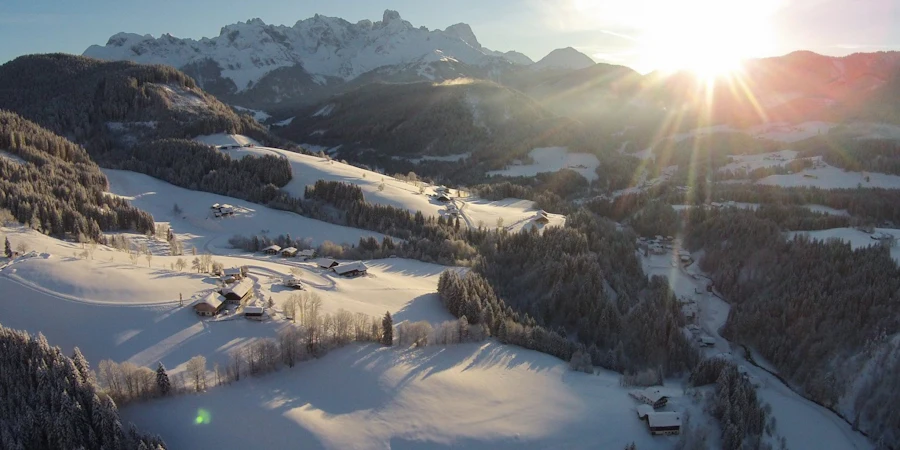
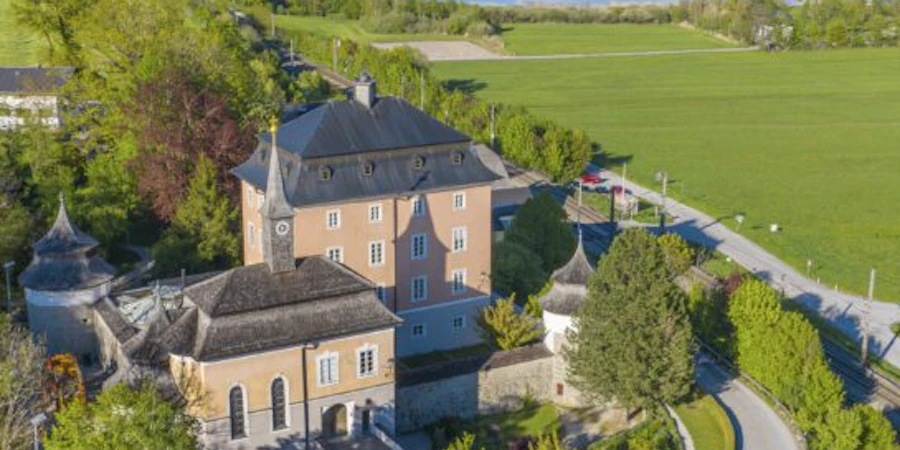
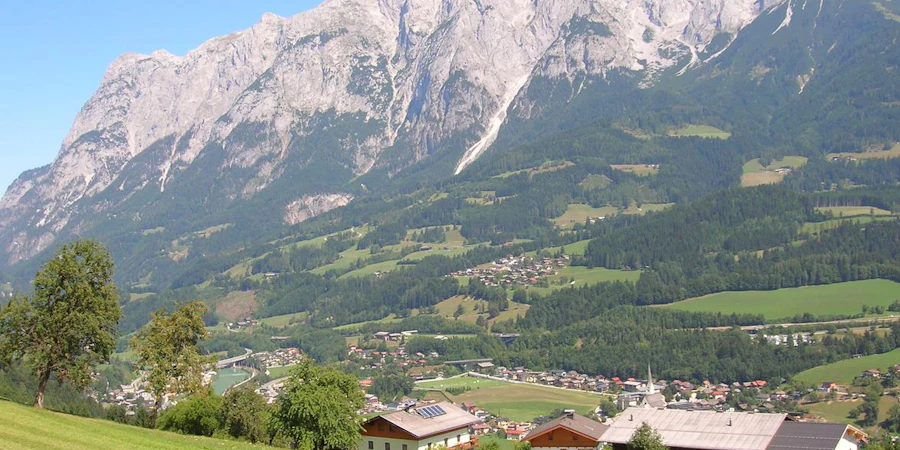
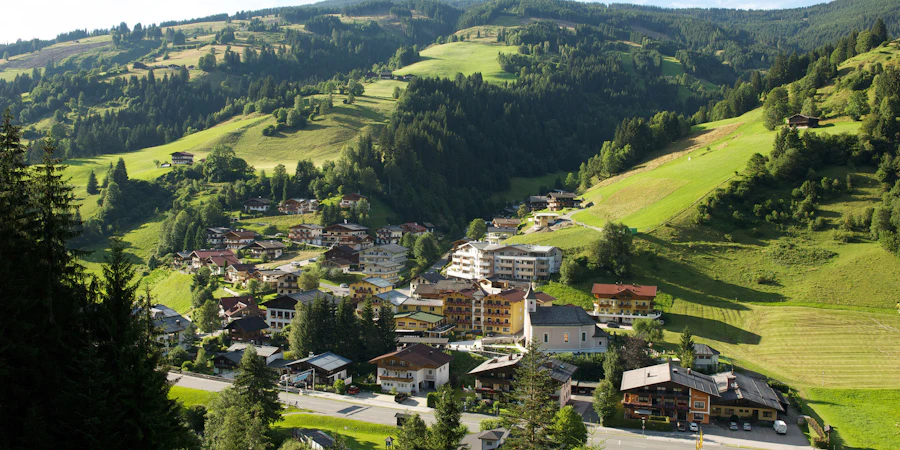
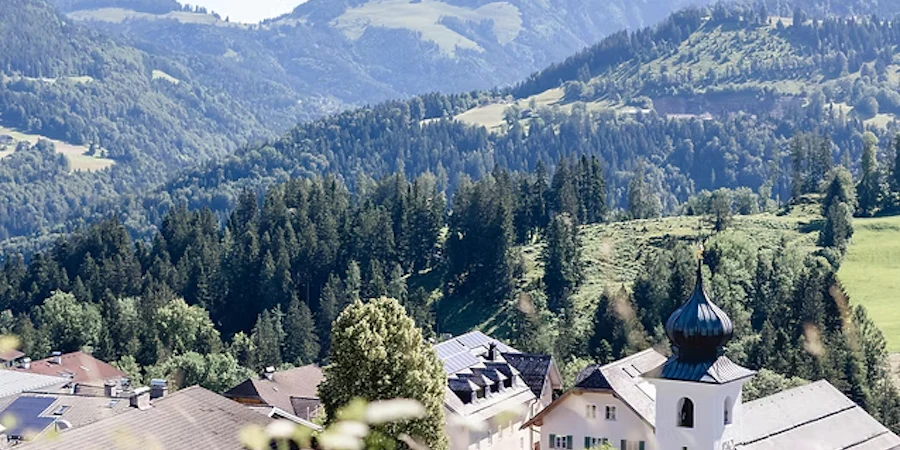
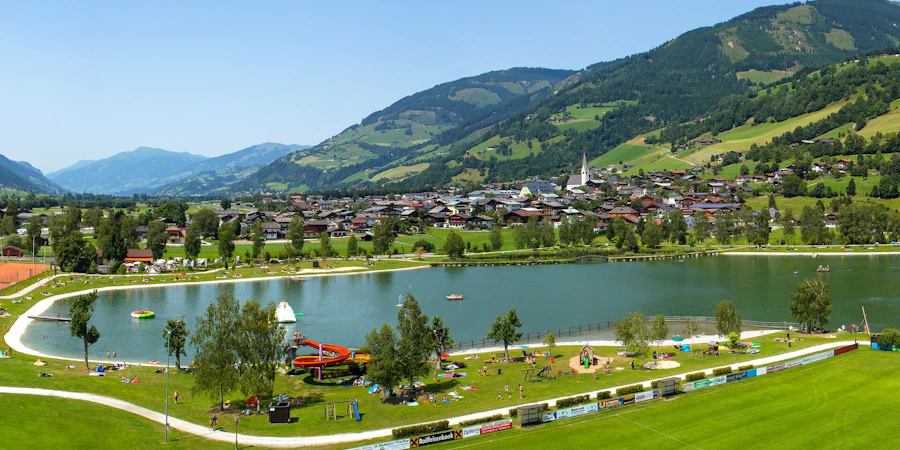
Zederhaus is a municipality in the Lungau region with a village-like center, scattered settlements, and many individual houses. The townscape is shaped by traditional farmhouses, smaller residential buildings, and some newer constructions along easily accessible areas. Multi-storey residential buildings are rather rare, which means that the supply is limited for those looking to buy an apartment in Zederhaus.
Living Atmosphere and Lifestyle
Daily life is quiet, close to nature, and strongly community-oriented. Many errands are done by car, while at the same time nature is so close that leisure activities often begin right at the doorstep. Those who value privacy, views, and low traffic will find suitable locations in Zederhaus, but depending on the area, longer distances to infrastructure should be expected.
Different Areas and Their Characteristics
In the central village area, living is more compact and closer to everyday amenities. In the side valleys and higher elevations, single-family homes, agricultural properties, and loosely arranged buildings dominate. Peripheral locations often offer more space and tranquility, but access can be more challenging in winter depending on elevation and road conditions.
Location & Accessibility
Transport Connections and Commuting
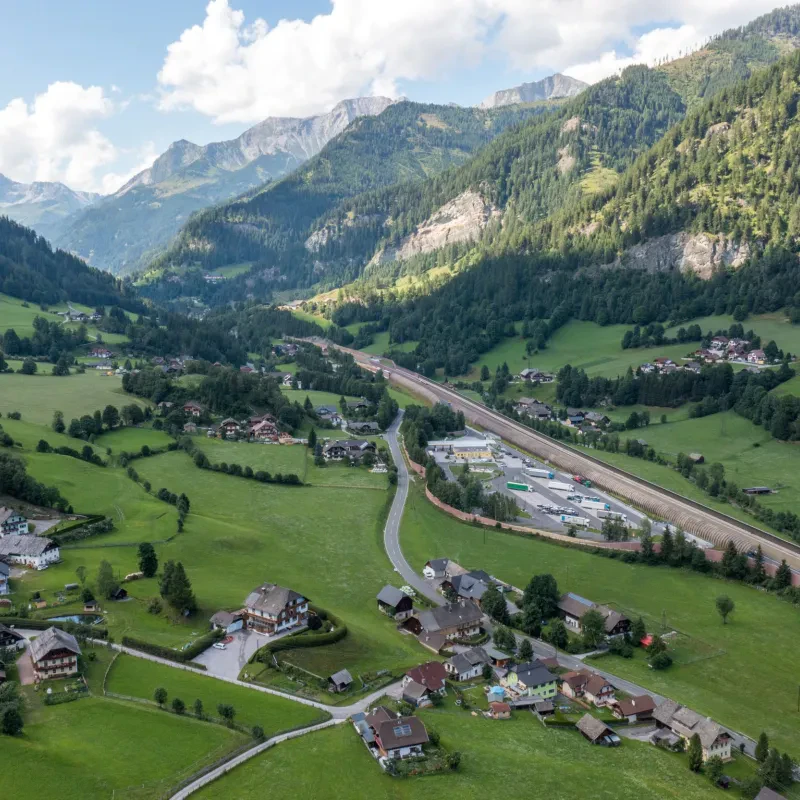
Zederhaus is located in the upper Lungau and is well connected via the Tauern motorway (A10) towards Salzburg and Carinthia. For commuters, it is important whether the daily route leads to Tamsweg, St. Michael im Lungau, or further towards Pongau. Actual travel times can vary depending on weather, seasonal traffic, and the specific micro-location.
Public Transport and Daily Mobility
Public transport is available, but not as frequent as in urban areas. Most commuters rely on a car and supplement with bus connections when needed. Within the municipality, distances are often short, though not always walkable.
Central vs. Quiet Locations
Central areas mean fewer trips for daily errands and easier organization, especially for families. More remote locations offer greater distance, views, and green surroundings, but require realistic planning of daily travel, particularly for schools, childcare, and activities.
Infrastructure & Everyday Life
Local Amenities and Education
Local supply covers basic needs, while larger shopping trips are often made in nearby towns. Families pay close attention to access to kindergartens, schools, and safe daily routes. Especially in more remote properties, the question “How accessible is it in winter?” can be decisive.
Medical Care and Services
Basic medical care is available in the region, while specialists and certain services are typically found in larger nearby centers. For older buyers or multi-generational households, proximity to healthcare often becomes more important than living space.
Leisure and Green Spaces
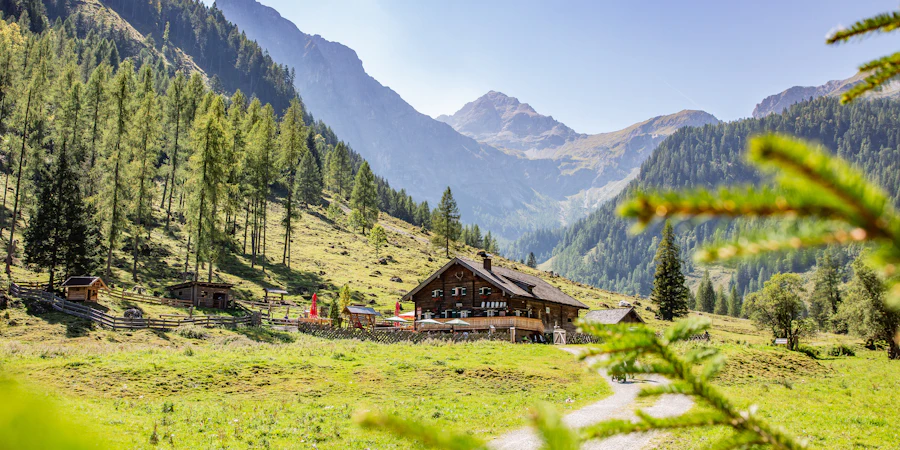
Meadows, forests, and mountains are not just destinations but part of everyday life in Zederhaus. This influences both quality of living and usage, with gardens, storage areas, and additional space being more important than in urban apartments.
Residential Areas in Zederhaus at a Glance
Central Residential Areas
While there is no true urban environment, the village center offers the most compact living. Distances to local amenities and municipal services are shortest here. This can be ideal for buyers looking for an apartment in Zederhaus without the need for a large property.
Family-Friendly Areas
Families typically look for easily accessible locations with manageable traffic and space around the home. Single-family houses with gardens are common, along with smaller residential developments. Key factors include sunlight, winter access, and proximity to schools and childcare.
New Developments
New construction in Zederhaus is generally small-scale and selective. Where new homes are built, it is often on individual plots or small extensions of existing residential areas. Infrastructure such as access roads, utilities, and connections plays a crucial role.
Quiet Peripheral Locations
Outside the village center, locations with more greenery and scenic views dominate. These areas appeal to buyers seeking tranquility, but require careful planning of mobility. Factors such as terrain, snow loads, slope conditions, and usability of land significantly influence property values.
Leisure & Surroundings
Sports and Recreation
Hiking, cycling, and winter sports are easily accessible, with many activities starting directly from the village or nearby. Outdoor enthusiasts benefit from the proximity to nature.
Gastronomy and Local Offerings
The culinary scene is regional and relatively limited. For more variety, residents typically travel to nearby towns. For many, this is part of the rural lifestyle rather than a disadvantage.
Nature and Surroundings
The natural environment is the key location factor. Forests, streams, open spaces, and mountain views shape many residential areas. Especially in peripheral locations, aspects like sunlight, wind, and winter conditions should be carefully considered.
Real Estate Market & Demand
Demand for Apartments
The supply of apartments is limited, and demand is selective. Apartments are often sought by singles, couples, or older residents who prefer less maintenance. Buyers place strong emphasis on parking, storage, and accessibility.
New Developments and Projects
Large-scale projects are rare, with occasional smaller developments or renovations. Buyers should carefully assess building condition and future costs, as regional construction capacities can vary.
Micro-Location Differences
Price and demand differences are influenced more by specific factors than by districts: sunlight exposure, views, access, noise, proximity to the motorway, slope conditions, and infrastructure quality all play a role.
Owner-Occupiers vs. Investors
Owner-occupiers dominate the market, as many buyers plan long-term with a connection to the region. Investors can find opportunities but must calculate realistically, as rental potential depends heavily on property type and target group.
Who is Zederhaus Suitable For
Families
Apartments are attractive if centrally located with short daily distances. Storage, parking, and flexible layouts are key.
Commuters
Good motorway access is a benefit, but location and winter driving conditions should be considered.
Investors
Focus lies on rental potential, operating costs, and target group suitability.
Singles and Couples
They typically seek quiet living, good accessibility, and low maintenance.
Summary
Zederhaus is a village-oriented location with limited apartment supply and a higher share of houses.
Micro-location matters: access, sunlight, slope, proximity to the motorway, and infrastructure make a real difference.
Families prefer practical, accessible areas, while peripheral locations offer more tranquility but require mobility.
Land should be evaluated based on usability and conditions, as this directly impacts property values.
A well-founded property valuation in Zederhaus is essential for buying, selling, or inheritance matters.