Zell am See at a Glance
| Key figure | Value |
|---|---|
| Population (1 Jan 2026) | 10,217 |
| Elevation | 757 m |
| Area | 55.2 km² |
| Distance to the city of Salzburg | 96 km |
| District | Zell am See (Pinzgau), district capital |
| Overnight stays, tourism year 2024/25 | 1,750,724 (171 per resident) |
| Second homes | second-home restriction municipality (State of Salzburg, as of 15 Aug 2025) |
Source: State of Salzburg, municipal profile Zell am See (in German); list of second-home restriction municipalities (in German).
Character of the Location
Townscape and Building Structure
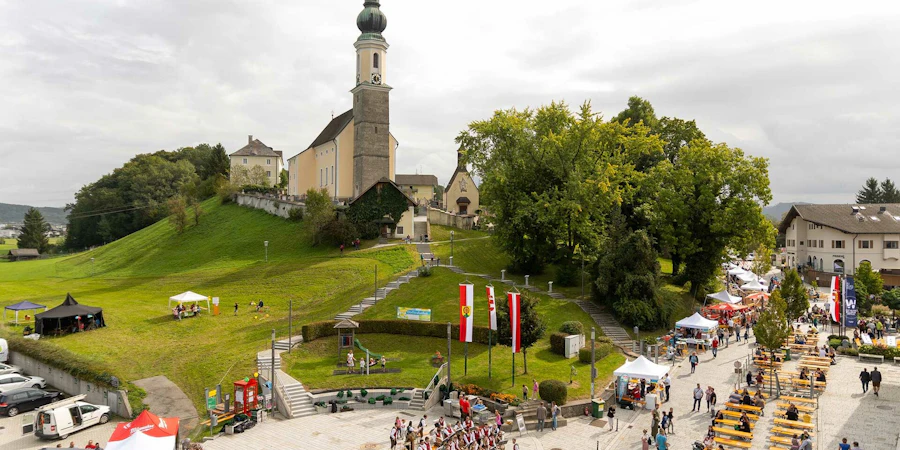
At first glance, Zell am See feels compact: the old town, the lakeside promenade, the station area, and the established residential streets behind them are close together. In addition, there are residential areas toward Schüttdorf and loosely built hillside locations. The existing stock is dominated by multi-unit buildings and smaller residential complexes, complemented by single-family homes, guesthouses, and tourism-oriented properties. New construction happens only selectively and is usually limited by land availability, zoning, and the neighborhood structure.
Living Experience and Atmosphere
In everyday life, Zell am See is a mix of lively small town and tourist destination. With around 171 overnight stays per resident, tourism is clearly noticeable: during the season the center and lakeside areas are busier, while many residential streets away from the main roads remain quiet. Those who live here year-round appreciate the short distances, the range of services, and the proximity to nature.
Different Neighborhoods and Their Character
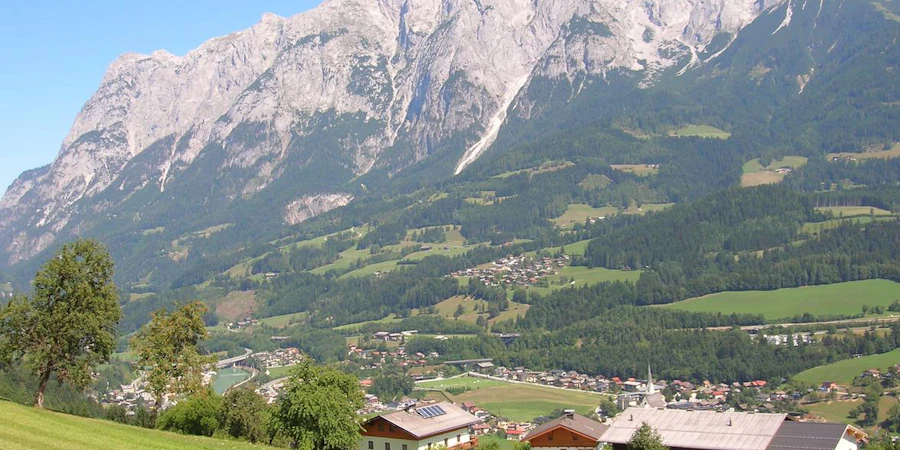
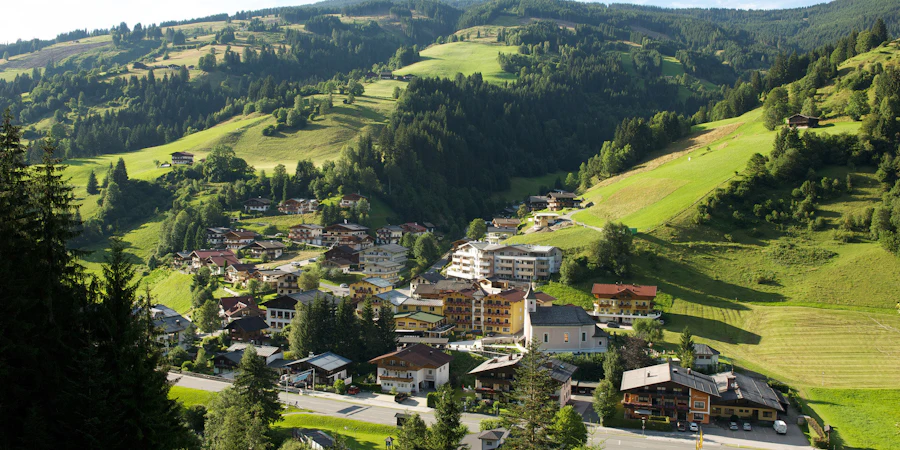
The central areas around the old town, the station, and the lakeshore are characterized by dense existing buildings, mixed uses, and short distances. Schüttdorf has a more independent character with larger residential complexes, shopping and employment locations, and good connections toward Kaprun. Hillside locations often offer more views and privacy but, depending on the street, come with steeper access roads and greater demands on accessibility in winter. On the outskirts, it becomes greener and more small-scale; there, tranquility and plot size often matter more than proximity to the center.
Location & Accessibility
Transport Connections and Commuting Distances
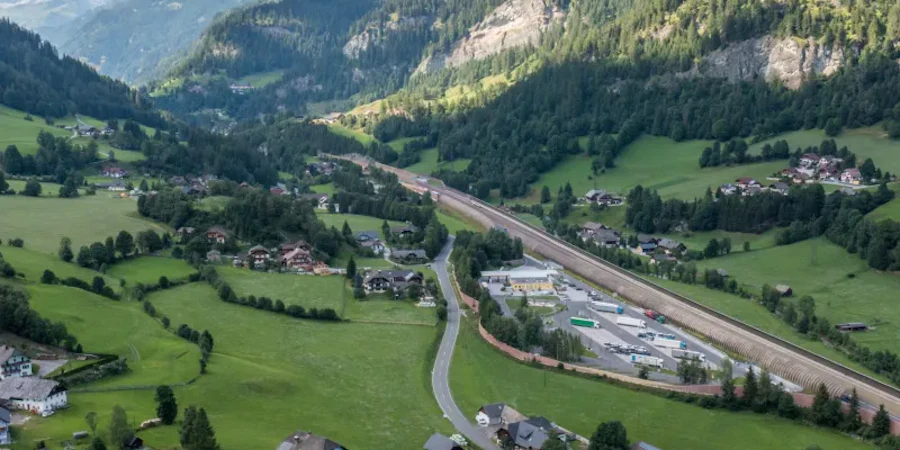
Zell am See is about 96 km from the city of Salzburg and is the district capital of the Pinzgau. Many routes run along the axis toward Saalfelden and on to the Salzburg basin, or via Kaprun into the upper valley. For commuters, what matters is how quickly one reaches the main road and whether one has to pass through tourist traffic peaks in the morning. Within the town, distances are short, although bottlenecks around the center and lakeshore can cost time at peak hours.
Public Transport and Everyday Mobility
The train station connects Zell am See well within the region; bus connections toward Kaprun, Bruck, and Saalfelden complement the network. In everyday life, the location of the nearest stop is often more important than the straight-line distance to the town center. Anyone wanting to manage without a car should realistically check the routes to shops, schools, and the station—especially in hillside or peripheral locations.
Central vs. Quieter Locations
Living centrally means short distances but more activity, parking pressure, and, depending on the building, more public traffic. Quieter locations are typically found away from the lakeside promenade, in residential streets with little through traffic, or in purely residential areas. In Zell am See, the micro-location often determines the living experience: one side street can make the difference.
Infrastructure & Everyday Life
Local Amenities and Education
As a district town, Zell am See has solid basic services. Supermarkets, specialist shops, and service providers are available; in Schüttdorf the offering is particularly concentrated. Educational facilities can be reached within the town and its immediate surroundings, which makes choosing a location easier for families.
Medical Care and Services
Medical services, pharmacies, and other services are well represented in the town. Banks, public offices, and craft businesses are also available for everyday needs—a point in favor of year-round living.
Leisure and Green Spaces
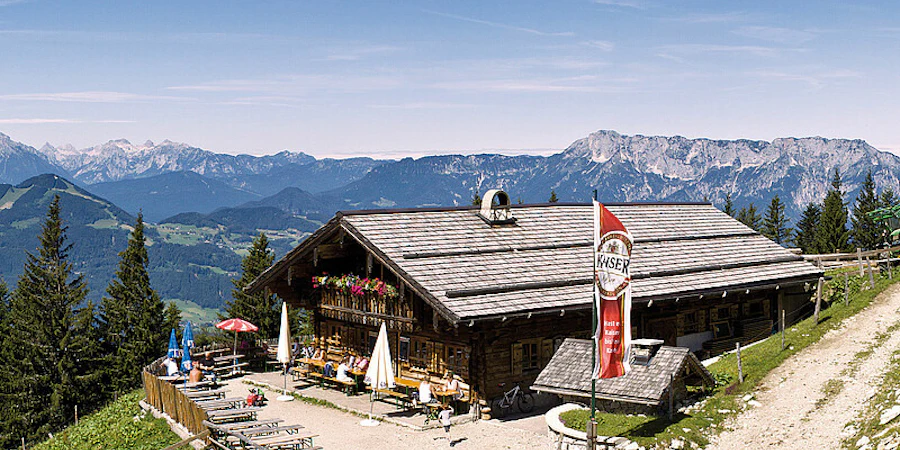
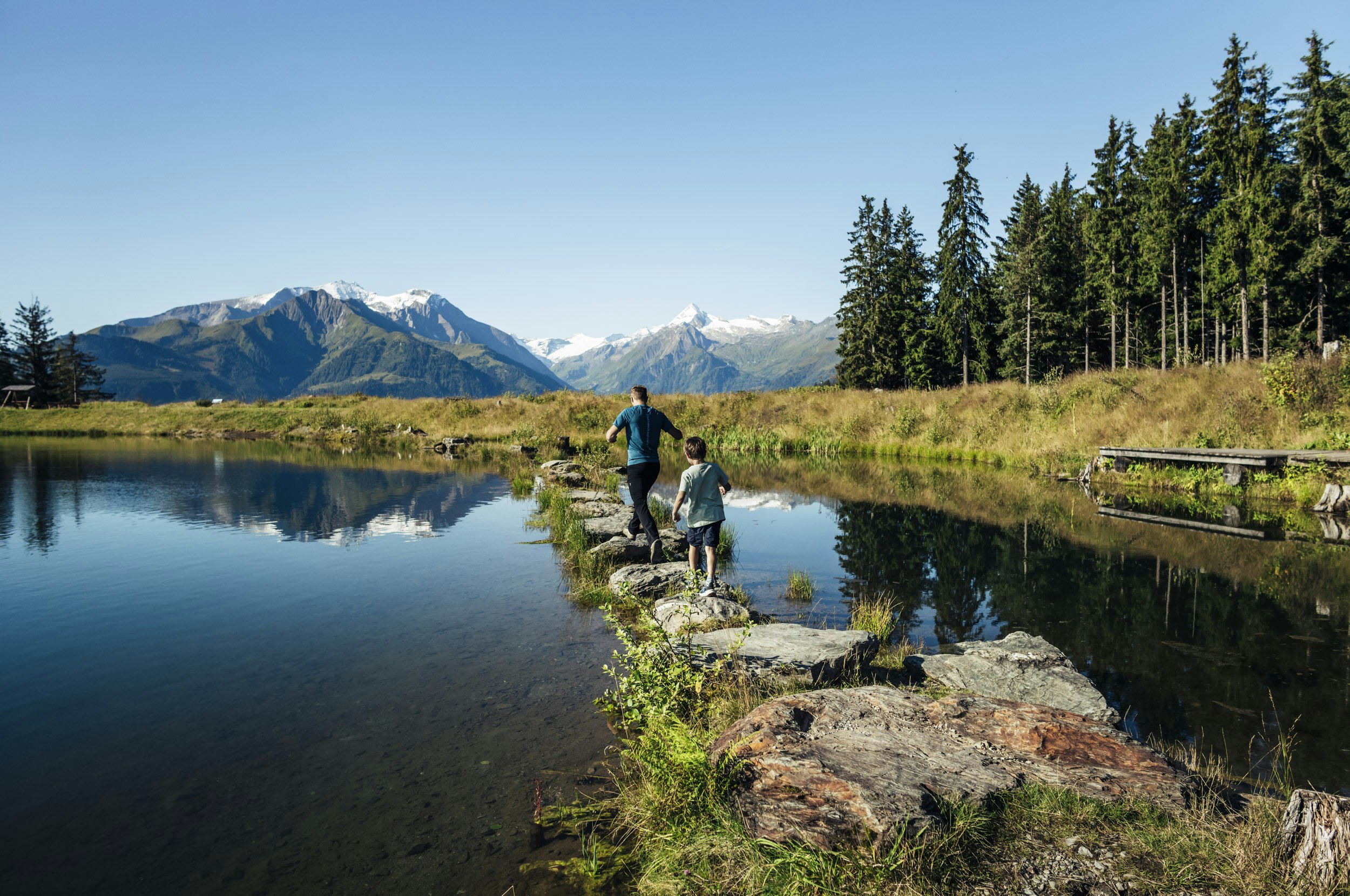
The lake, the lakeside paths, and the immediate proximity to the mountains shape leisure habits. Walking, cycling, and water sports are obvious choices; in winter, ski areas and cross-country trails come into focus. Anyone looking for a quiet residential location should keep some distance from event areas, main promenades, and heavily frequented access points.
Residential Areas in Zell am See at a Glance
| Residential area | Character | Suitable for |
|---|---|---|
| Center, station, lakeshore | Dense existing buildings, short distances, more activity and parking pressure | Singles, couples, commuters without a car |
| Schüttdorf | Larger residential complexes, shopping and jobs, toward Kaprun | Families, owner-occupiers, rentals |
| Hillside locations | Views, privacy, partly steep access roads | Owner-occupiers with a car |
| Outskirts | Greener, more small-scale, larger plots | Families wanting a house and garden |
Central Residential Areas with an Urban Environment
In the center and around the station, existing condominiums are often found in multi-unit buildings. The location is practical, but not every apartment offers peace or a lake view. In addition to the layout, check parking, elevator, noise sources, and the homeowners’ community.
Family-Friendly Residential Areas
Families often look for residential streets with little traffic, play areas, and good access to kindergarten and school. In parts of Schüttdorf and in established residential areas, these criteria are often easier to meet than directly at the tourist hotspots.
New Construction and Current Developments
New construction in Zell am See is usually small-scale: individual residential complexes, infill development, or replacement buildings. Pay attention to construction quality, energy concept, parking spaces, and the actual surroundings. Land prices depend heavily on zoning, plot shape, infrastructure, and location relative to the lake or the valley station.
Quiet Outskirts with Green Surroundings
Peripheral locations often offer more tranquility, green views, and distance. At the same time, car dependency and winter suitability are an issue, especially with steeper access roads.
Real Estate Market & Demand
Demand is broad: owner-occupiers look for compact layouts, families tend to look for three to four rooms, and investors pay attention to rental potential and operating costs. Location, orientation, and the legal framework are often decisive. Even for a condominium, looking at meeting minutes and the reserve fund is usually just as important as the view.
In Zell am See, the specific street often decides: proximity to the lake, sight lines, noise from through traffic or the railway, and the distance to lifts and the promenade directly affect demand and rental potential. Owner-occupiers focus more on everyday life, peace, and operating costs; investors on rental potential, maintenance risks, and permitted use.
Second Homes and Legal Framework
According to the State of Salzburg list (as of 15 August 2025), Zell am See is a second-home restriction municipality. Use as a holiday or second home is generally only permitted in specially designated areas, with existing rights, or with an exemption; violations can be fined up to EUR 25,000. Clarify the permitted use with the municipality before buying. Details are explained in our guide Second homes and land transfer in Salzburg and Tyrol (in German).
Who Is Zell am See Suitable For?
- Families: short distances to school, sports, and shops; depending on budget, a house on the outskirts may fit.
- Commuters: rail connections and regional accessibility; realistically factor in access to the main road and parking.
- Investors: demand exists in principle, but check the type of use, the homeowners’ community, and running costs carefully.
- Singles and couples: compact apartments near the station, the lake, or workplaces.
Further Guides (in German)
- Selling property in Salzburg: process, costs, taxes
- Selling a hotel or guesthouse
- Property purchase contracts in Austria
- Real estate agent in the Pinzgau
Summary
- Zell am See combines peak tourist seasons with the everyday life of a district town; the micro-location determines peace, distances, and living experience.
- Central locations are practical, while quiet residential streets and outskirts offer less activity and more greenery.
- As a second-home restriction municipality, the permitted use must be clarified before any purchase.
- For purchase decisions, building condition, reserves, parking, and the usage framework are key checkpoints alongside location.