Character of the Location
Townscape and Building Structure
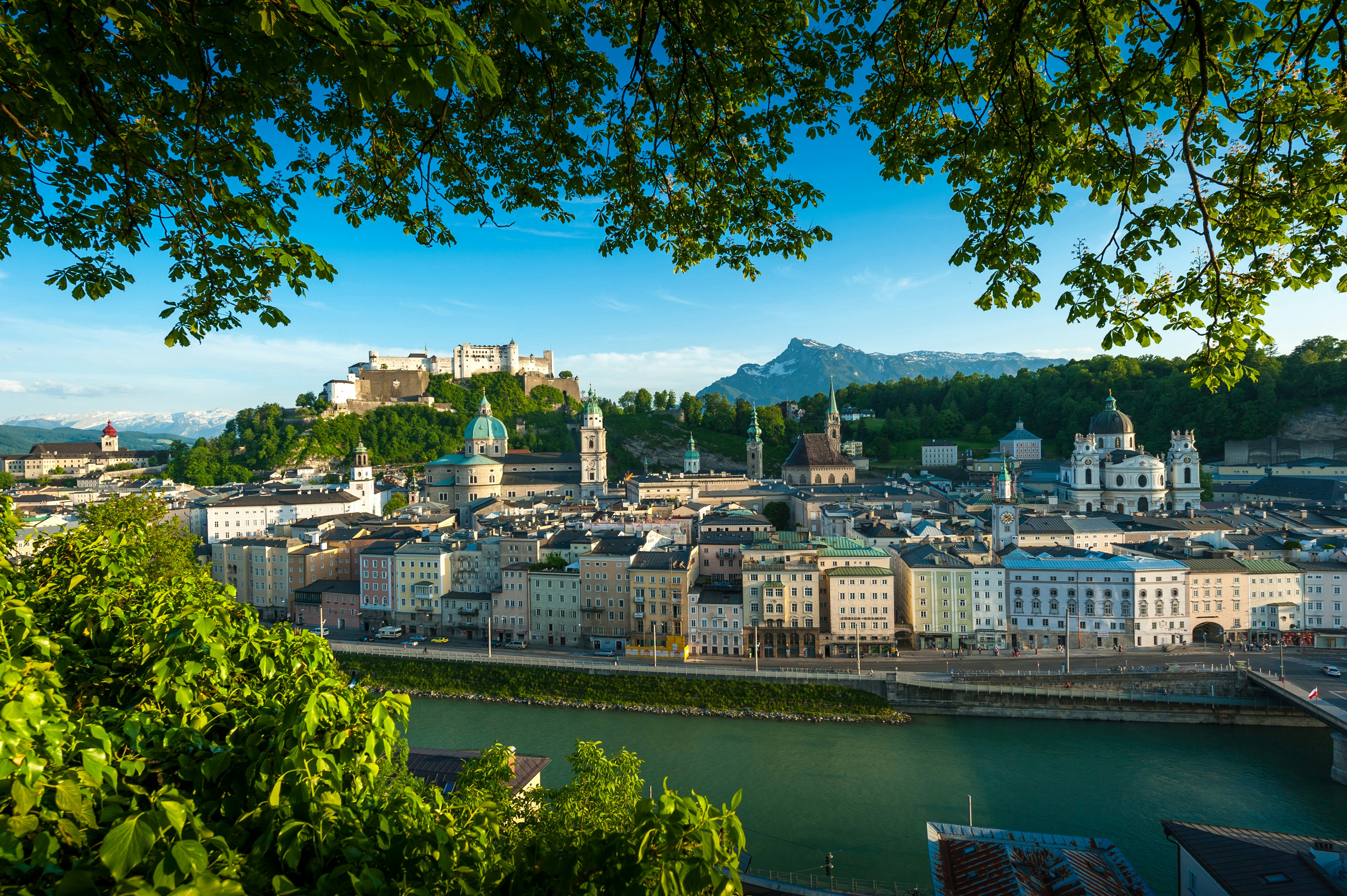
Salzburg’s urban landscape is a mix of historic old-town buildings, Gründerzeit architecture, post-war residential blocks, denser apartment complexes, and newer developments along major development corridors.
In many areas, building structures are smaller in scale than in other provincial capitals. At the same time, there are clearly defined densification zones with multi-storey residential buildings.
In practice, the market shows clearly: renovation condition, floor-plan quality, and the orientation of an apartment often carry more weight than pure square meter figures.
Living Environment and Atmosphere
In everyday life, Salzburg feels compact. Many places are quickly reachable, yet there are districts that feel more like quiet residential neighborhoods than a busy city.
Living close to the center means higher visitor frequency and proximity to tourism, while peripheral or greener areas are shaped more strongly by neighborhood life and residential tranquility.
Different Districts and Their Character
The historic old town and adjacent areas are strongly defined by historic building fabric, strict renovation regulations, and demand for smaller, efficiently usable apartments.
Districts such as Riedenburg, Aigen, or parts of Parsch are often evaluated based on residential quality, greenery, and proximity to schools and local routes.
Areas such as Lehen and Itzling offer a wide spectrum from older housing stock to newer residential developments, with micro-locations varying significantly near main traffic routes.
In Schallmoos, the mix of urban proximity and residential function is typical; here, the specific street often determines the actual living experience.
Location & Accessibility
Transport Connections and Commuting Distances
Salzburg functions as a classic commuter hub—both within the metropolitan area and toward surrounding regions such as the Flachgau, Tennengau, and across the border into Bavaria.
For commuters, key factors include access to the A1 West Autobahn, proximity to Salzburg Hauptbahnhof, and how quickly one can reach main traffic corridors from the respective neighborhood.
In practice, travel time is less about distance and more about whether rush-hour bottlenecks are unavoidable.
Public Transport and Everyday Mobility
The bus network within the city is dense, and many everyday routes can be covered efficiently by bicycle.
Anyone relying on public transport will pay attention to service frequency, transfers, and the distance to the nearest stop.
In more central areas, daily life can function well without a car, while in peripheral areas parking availability and access roads often become part of the purchasing decision.
Central vs. Quieter Residential Areas
Central locations offer short distances but also bring more traffic, higher activity levels, and sometimes limited parking.
Quieter residential areas tend to be found away from main roads, for example in greener districts toward Aigen or Parsch.
Property viewings often show that two apartments with similar addresses can feel completely different once orientation, courtyard layout, and noise exposure are considered.
Infrastructure & Everyday Life
Local Amenities and Educational Facilities
Local amenities are generally well developed throughout the city, particularly in established neighborhoods with ground-floor retail zones and local service clusters.
Families frequently evaluate kindergarten and school routes, safe crossings, and whether daily errands can realistically be completed on foot.
In Salzburg, this “everyday radius” often determines the practical attractiveness of a location.
Medical Care and Services
Medical care, pharmacies, and everyday services are widely available, particularly in densely populated areas.
For older owner-occupiers or buyers planning long-term, accessibility without a car becomes an important factor—especially when apartments are not barrier-free or lack elevators.
Leisure Opportunities and Green Spaces
Salzburg offers numerous green corridors and recreational areas that are genuinely integrated into everyday life: riverside paths along the Salzach, parks, and quick access to the surrounding hills.
For many households, this connection to nature becomes an important part of the location decision.
Residential Areas in Salzburg at a Glance
Central Residential Areas with an Urban Environment
Areas near the old town, parts of the Neustadt, and sections of Schallmoos appeal to buyers seeking urban life and short distances.
Housing supply is often small-scale, and in existing buildings the decisive factors include condition, homeowners’ association quality, and usability.
Anyone looking for a condominium in Salzburg in a central location should focus on layout, daylight, and actual noise exposure—not just the postal code.
Family-Friendly Residential Areas
Families tend to look for quieter streets, proximity to green areas, and reliable infrastructure.
Districts such as Aigen, Parsch, and parts of Liefering are often sought after for their residential character.
Even here, micro-location matters: proximity to major roads or railway lines can noticeably influence the living experience.
For larger apartments and townhouse-style homes, supply is limited, which can make the search more time-intensive.
New Developments and Current Trends
New residential construction in Salzburg typically occurs through urban densification or within defined development zones.
Buyers interested in new projects often evaluate:
- building and equipment specifications
- operating costs
- parking regulations
- and the quality of outdoor spaces.
Anyone planning to buy an apartment in Salzburg in a new development should also consider long-term property management and the composition of the residential complex.
Quiet Outskirts with Green Surroundings
Peripheral and greener districts offer greater tranquility and a different living atmosphere but require a realistic evaluation of daily travel distances.
For single-family homes, location quality often depends strongly on plot layout, access roads, sunlight exposure, and neighboring structures.
Anyone planning to buy a house in Salzburg should carefully examine zoning rules, access rights, and building regulations in addition to the property’s structural condition.
Leisure & Surroundings
Sports and Recreation
Many Salzburg residents regularly make use of the proximity to rivers, cycling routes, and the surrounding mountains.
For buyers, this represents a genuine location advantage because recreational opportunities are integrated into daily life.
Depending on the district, one can reach the river, the outskirts of the city, or nearby hills within minutes.
Gastronomy and Local Offer
Central districts offer a high density of restaurants and cafés, while residential neighborhoods typically provide a balanced mix of local amenities and smaller hospitality venues.
For some buyers this is an advantage, while others deliberately prefer quieter residential streets without nightlife activity nearby.
Nature and Nearby Recreational Areas
The transition from city to landscape is particularly quick in Salzburg.
This also influences demand for apartments with balconies, terraces, or scenic views.
During many property viewings, a well-designed outdoor space can become the decisive factor—even when living space is otherwise comparable.
Real Estate Market & Demand
Demand for Condominiums
Demand for condominiums in Salzburg remains stable across many segments.
Well-designed, bright apartments with elevators and manageable operating costs are particularly sought after.
Small to medium-sized apartments attract both owner-occupiers and investors.
Anyone planning to buy real estate in Salzburg will quickly notice that decisions often depend on details such as building condition, reserve funds, renovation plans, and legal aspects of condominium ownership.
New Construction and Project Development
New developments are examined carefully because buyers increasingly focus on quality, long-term costs, and energy performance.
Supply in desirable locations remains limited, meaning well-planned projects attract attention quickly while weaker concepts stay longer on the market.
Differences by Micro-Location
Micro-locations have a strong influence in Salzburg.
Noise exposure, orientation, floor level, views, and the immediate surroundings can significantly affect marketability.
Even similar properties may achieve noticeably different prices if one overlooks a courtyard rather than a busy street.
Owner-Occupiers vs. Investors
Owner-occupiers usually prioritize living quality, practicality, and long-term stability.
Investors focus more on rental potential, target groups, and ongoing maintenance costs.
In both cases, careful review of documentation is essential because variations within the same location can be significant.
Who a Property in Salzburg May Suit
Families
Families often search for three- to four-room apartments with good connectivity, schools nearby, and sufficient outdoor space.
A practical floor plan, storage areas, elevators, and usable outdoor areas are key factors.
In some districts, the supply of larger apartments is limited, requiring patience and clear criteria.
Commuters
Commuters value quick access to the railway station, main traffic corridors, and employment centers in the metropolitan area.
Good public transport connections can significantly ease daily routines, particularly where parking pressure exists.
Investors
For investors, location quality, target tenant groups, and the condition of the building are decisive.
Apartments with rentable layouts, reliable property management, and transparent reserve funds are especially attractive in Salzburg.
Singles and Couples
Singles and couples often look for compact apartments with strong accessibility and a neighborhood that functions well without a car.
Some prefer urban districts with short distances, while others intentionally choose quieter areas and accept longer travel times.
Summary
- Salzburg is a micro-location market where orientation, noise exposure, and building condition strongly influence property value.
- Central areas offer short distances, while quieter districts provide residential calm and proximity to green spaces.
- Families prioritize practicality and infrastructure; commuters focus on transport hubs and access routes.
- New developments exist but remain selective, making careful review of documentation and long-term costs essential.
- Land prices in Salzburg and achievable apartment prices depend heavily on plot layout, zoning, and the immediate neighborhood.