Character of the Location
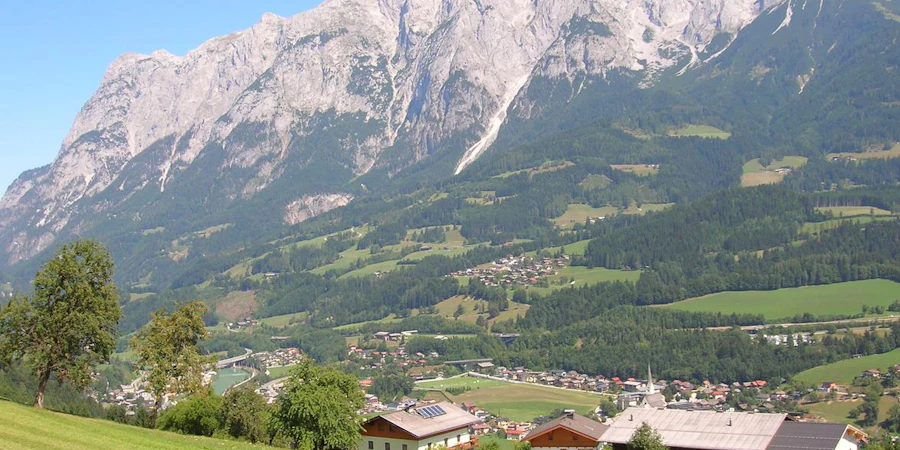
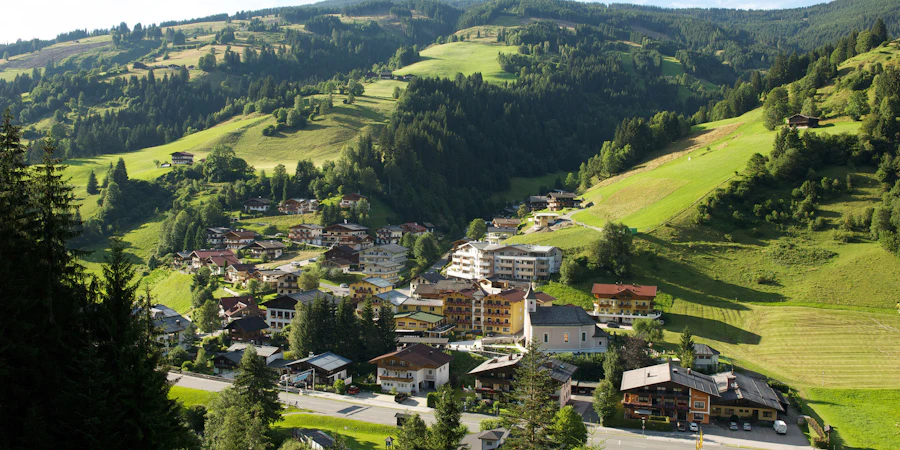
Anyone searching for property in Tamsweg will find a district capital with a clear role: administration, schools, retail, and services are more concentrated here than in the surrounding municipalities. This also shapes the real estate market — less of a second-home destination and more a primary place of residence for people from the Lungau and for those who consciously choose to live in a well-serviced small town.
Urban Structure and Building Fabric
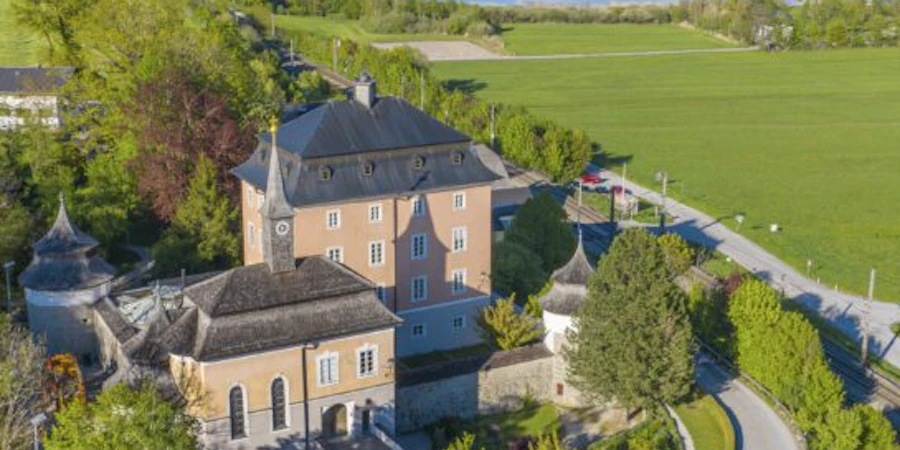
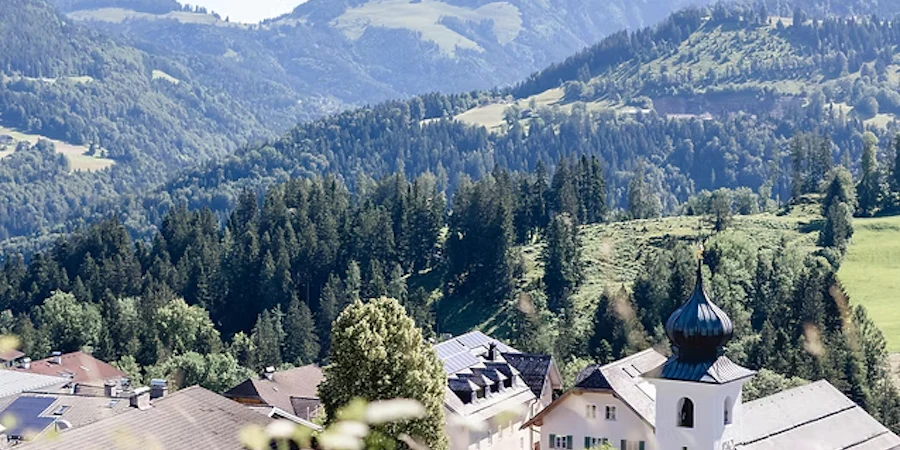
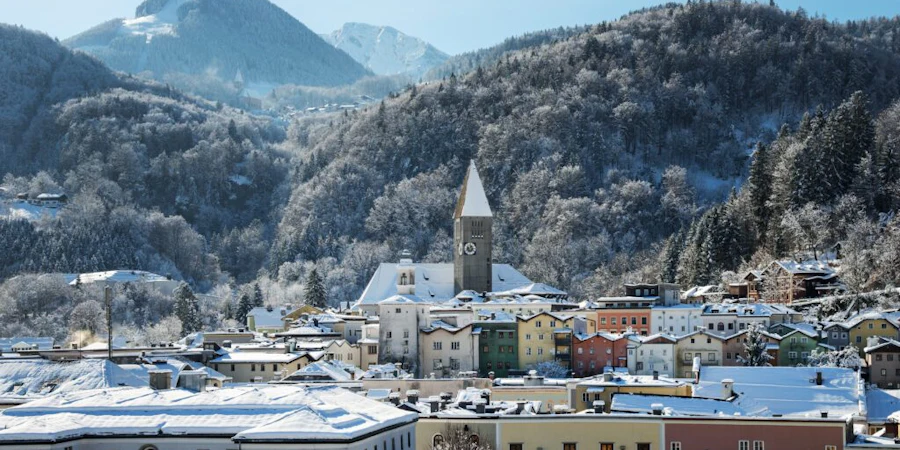
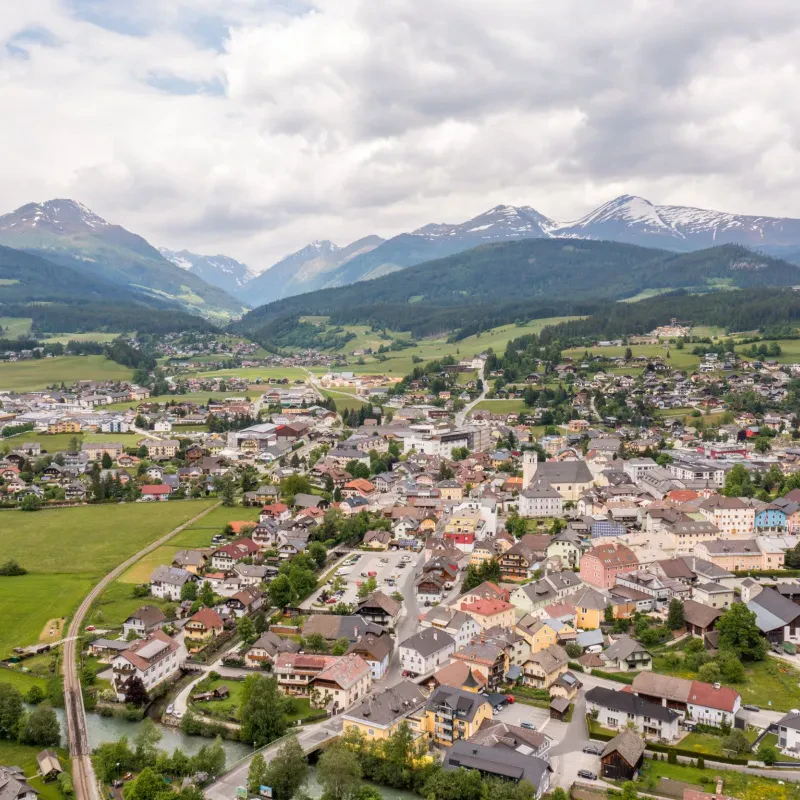
The townscape is defined by a compact center with established structures. Surrounding it are residential settlements, single-family home areas, and smaller multi-unit buildings. New construction appears selectively, usually in manageable projects rather than large-scale urban developments.
Living Experience and Atmosphere
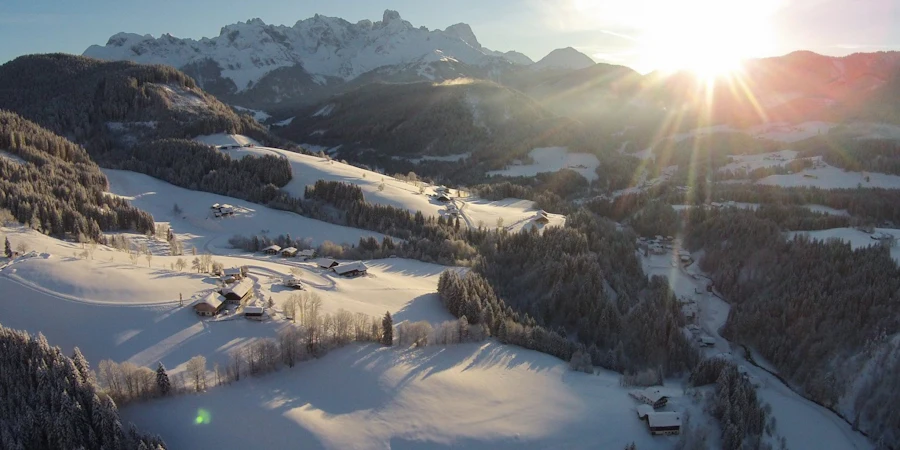
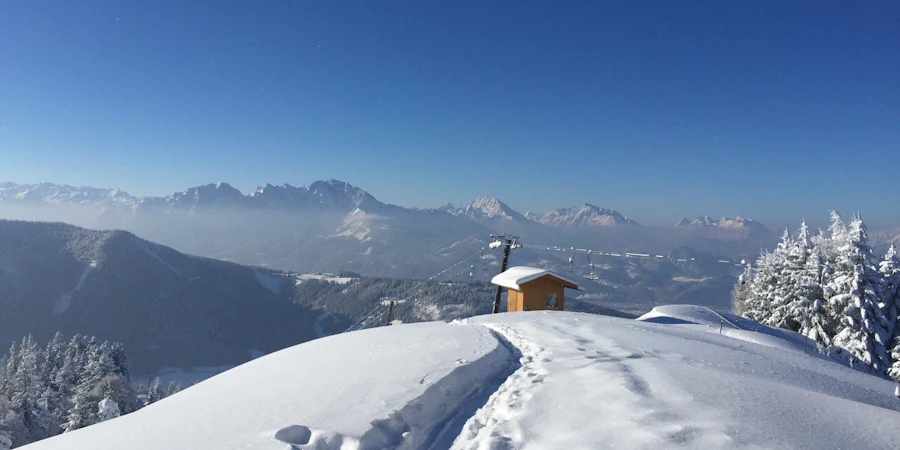
In everyday life, Tamsweg feels calm without being remote. Distances to schools, public offices, doctors, and shopping are short, while access to nature is immediate. Seasonal influences are noticeable: winter brings a stronger sense of seasonality, while summer emphasizes outdoor living and recreation — both of which impact usage concepts and rental potential.
Different Neighborhoods and Their Characteristics
Closer to the center, living is more urban, with a greater mix of uses, higher foot traffic, some older buildings, and short distances. In residential areas, single-family and semi-detached houses dominate, often with gardens and less traffic. Peripheral locations are generally greener and quieter, though practicality can vary depending on slope, access, and winter maintenance.
Location and Accessibility
Transport Connections and Commuting Distances
Tamsweg is regionally oriented within the Lungau. Commuting often takes place within the district, for example to local businesses, schools, and service providers. For longer commutes, travel time depends heavily on route, season, and road or pass conditions — an important factor when evaluating residential locations.
Public Transport and Everyday Mobility
Within the town, many daily tasks can be handled without a car, especially near the center. For regular travel beyond the town, bus connections are relevant; however, for many households, the car remains essential — particularly in peripheral areas or for shift workers.
Central vs. Quiet Residential Areas
Central locations offer proximity to amenities, schools, and services, but come with more traffic and sometimes less privacy. Quieter areas provide more space and greenery, though they usually require more structured daily planning, for example for school routes, shopping, or medical appointments.
Infrastructure and Everyday Life
Local Amenities and Education
As a district capital, Tamsweg offers solid basic infrastructure. Supermarkets, smaller shops, and everyday services are available. Families pay particular attention to distances to schools and childcare facilities, as well as safe routes within the town.
Healthcare and Services
Medical services, pharmacies, and various everyday services are concentrated within the town. This is a clear advantage compared to smaller neighboring communities, especially for older residents and households that value short distances.
Leisure and Green Spaces
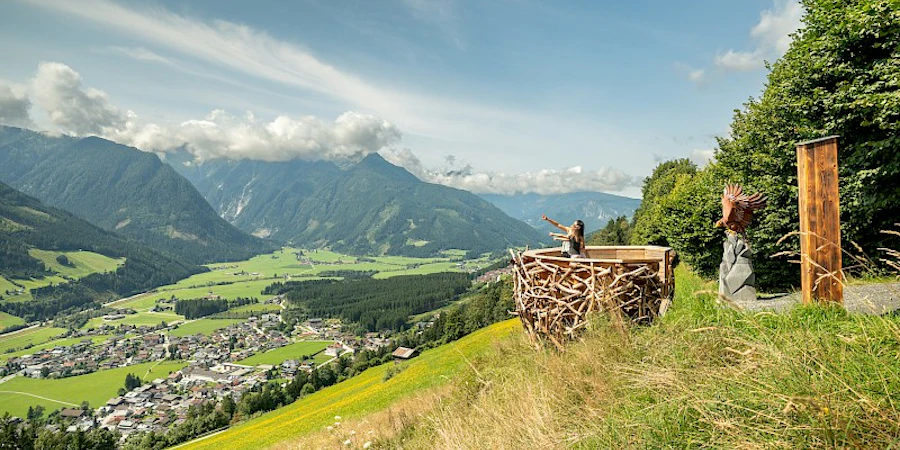
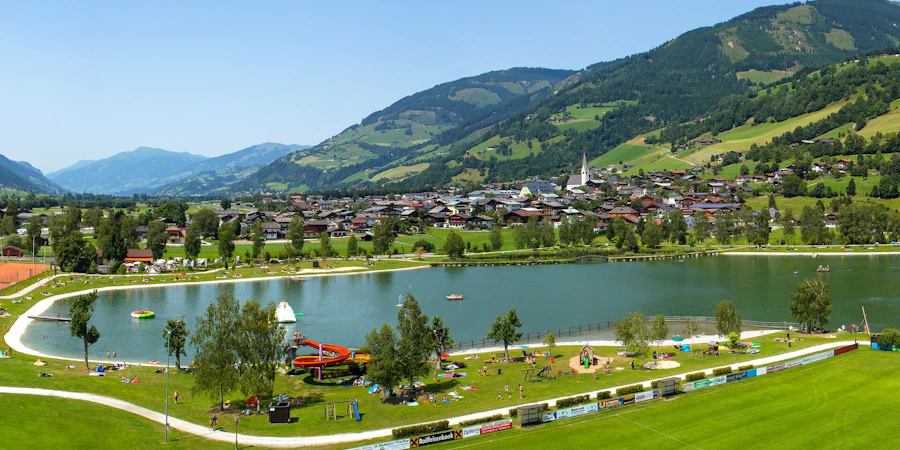
Leisure activities are strongly nature-oriented: walking, cycling, winter sports, and community life play a major role. Residents of Tamsweg naturally make use of the nearby mountains and valleys, which also influences demand for practical layouts, storage space, and parking.
Residential Areas in Tamsweg at a Glance
Central Residential Areas with Urban Character
In the center and surrounding streets, more compact apartments and mixed-use buildings are typical. Apartments here are often sought by buyers who prefer short distances and less maintenance. Depending on the building age, factors such as insulation, lift access, parking, and reserve funds should be carefully considered.
Family-Friendly Residential Areas
In residential neighborhoods, single-family homes, semi-detached houses, and row houses are common. Buyers looking for a house in Tamsweg typically focus on garden use, sunlight exposure, winter access, and actual noise levels — not just the general location description.
New Developments and Current Trends
New construction in Tamsweg is relatively small-scale. Buyers often compare energy efficiency, parking availability, outdoor spaces, and ongoing costs. Reviewing building specifications and homeowners’ association regulations is essential in new developments.
Quiet Peripheral Areas with Access to Nature
Peripheral areas attract buyers seeking more space and views. However, factors such as plot layout, access roads, snow clearance, and microclimate are critical. The actual travel time to the town center is also a key consideration during property viewings.
Leisure and Surroundings
Sports and Recreation
In Tamsweg and the Lungau, sports activities are largely outdoors. Winter focuses on skiing and cross-country skiing, while summer is about hiking, cycling, and mountain activities. This influences housing preferences, such as space for equipment or dry storage areas.
Gastronomy and Local Offerings
The town offers a solid, down-to-earth culinary scene with a regional focus that varies somewhat by season. For most residents, it is less about nightlife and more about convenient everyday living.
Nature and Local Recreation Areas
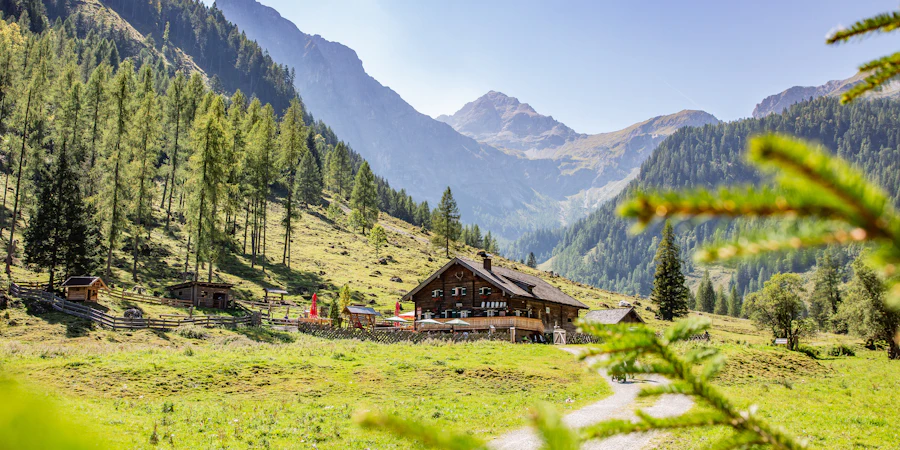
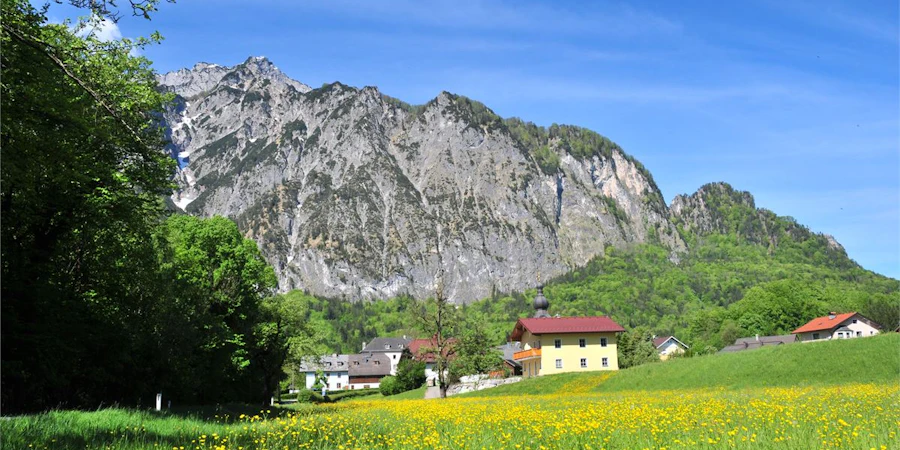
Access to nature begins almost at the doorstep. Buyers often prioritize balconies, loggias, or good orientation, as outdoor spaces are actively used in daily life.
Real Estate Market and Demand
Demand for Apartments
Apartments in Tamsweg are mainly sought after by owner-occupiers: singles, couples, older households, and families wanting to live centrally. They are also attractive for buyers seeking manageable properties with less maintenance.
New Construction and Development
Supply is not consistently broad, meaning well-located and well-maintained properties can attract attention quickly. Beyond price, the technical condition — heating, windows, roof, moisture issues, and renovation quality — is a key decision factor.
Differences by Micro-Location
Micro-location plays a major role in Tamsweg. Proximity to the center, noise sources, sunlight exposure, slope, and parking all significantly influence demand. Reviewing zoning plans and potential future development is also relevant.
Owner-Occupiers vs. Investors
Owner-occupiers prioritize everyday usability and running costs. Investors focus on rental potential, solid construction quality, and locations that function without a car. Houses often involve more complex management than apartments, which must be considered in calculations.
Who Tamsweg Is Suitable For
Families
Families look for a balance of school access, space, and a quiet environment. Larger apartments can be sufficient, though many consider moving to a house for additional space and outdoor areas.
Commuters
Reliable accessibility throughout the year is key. Central locations reduce daily travel, while peripheral areas offer more tranquility but require more planning.
Investors
Tamsweg offers a stable, straightforward market. Demand is strongest for well-rentable apartments with clear target groups, such as local employees.
Singles and Couples
Singles and couples often prefer central locations with easy access to amenities. Compact apartments with balconies and dedicated parking are particularly attractive.
Summary
Tamsweg, as the district capital of the Lungau, offers practical everyday living with short distances, especially in central areas.
Residential options range from central mixed-use areas to quiet neighborhoods and green peripheral locations.
Anyone looking to buy property in Tamsweg should carefully evaluate micro-location, winter accessibility, and technical condition.
Property prices vary significantly depending on plot characteristics, infrastructure, slope, and surroundings.
For accurate property valuation, comparable properties, building condition, and location quality are essential.