
Character of the Location
Urban Structure and Building Fabric
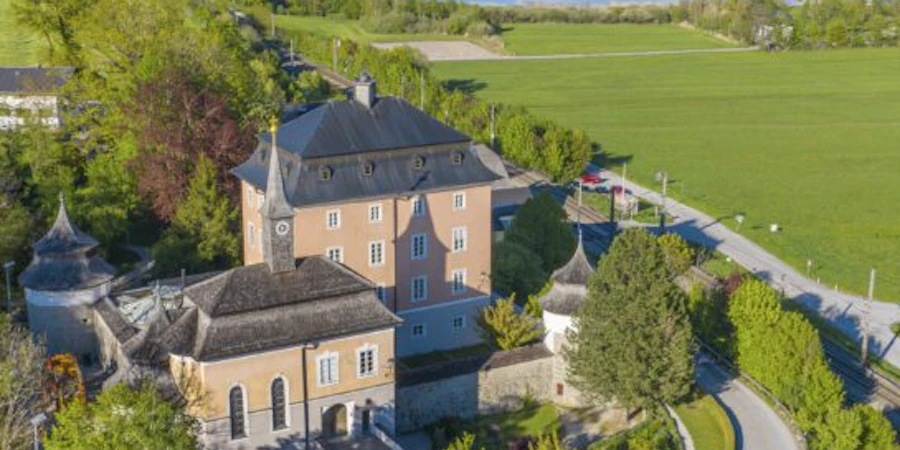
St. Veit is defined by a compact town center with historically influenced streets, complemented by residential areas that have developed in phases. Along key traffic routes, mixed-use areas with retail and services can be found, while side streets and residential roads are clearly more focused on living. The property offering ranges from classic condominiums in multi-unit buildings to single-family homes and smaller townhouse developments.
Living Experience and Atmosphere
Daily life in St. Veit is manageable and convenient. Distances are generally short, and many everyday tasks can be handled without extensive planning. At the same time, there are quieter pockets where residents can live away from through traffic while still not feeling “out in the countryside.” Singles and couples often prefer the practicality of central locations, while families tend to prioritize access to green spaces and reliable connections to schools and childcare facilities.
Different Neighborhoods and Their Characteristics
Areas around the town center are in demand for their walkability and immediate access to infrastructure. In quieter residential streets and settlement areas, privacy, garden space, and a more relaxed environment are key factors. Peripheral locations vary significantly depending on accessibility: some are ideal for quick access to nature, while others are more dependent on car use.
Location and Accessibility
Transport Connections and Commuting Distances
St. Veit is a popular commuter location, as access to surrounding employment centers is generally well organized. Those who commute daily assess proximity to main roads differently than those who primarily work locally. This is also reflected in demand for specific streets and residential areas.
Public Transport and Everyday Mobility
Public transport becomes a key factor when properties are within walking distance of stops. This is particularly important for students, older residents, and households with only one car. Cycling and walking paths are practical for local mobility but do not always replace the need for a car, depending on the location.
Central vs. Quiet Residential Areas
Living centrally in St. Veit mainly means shorter distances and fewer daily trips, but also higher foot traffic and sometimes limited parking. Quieter areas offer more space and often better options for gardens or terraces, but usually require more structured mobility planning.
Infrastructure and Everyday Life
Local Amenities and Educational Facilities
Local amenities are most concentrated in the central area and along well-connected shopping zones. Families place strong emphasis on proximity to schools and childcare facilities, as well as safe routes. When deciding whether to buy an apartment in St. Veit or opt for a house, these everyday considerations often outweigh pure living space.
Healthcare and Services
Doctors, pharmacies, and everyday services are easily accessible, especially in central locations. In peripheral areas, accessibility depends more on proximity to main routes. For older property owners, this factor also becomes relevant for future resale considerations.
Leisure and Green Spaces
St. Veit and its surroundings offer a variety of sports facilities, walking paths, and green areas, making it easy to unwind after work. Dog owners and runners in particular tend to focus on the immediate surroundings rather than just the property itself.
Residential Areas in St. Veit at a Glance
Central Residential Areas with Urban Character
In the town center and adjacent streets, condominiums dominate. Here, the focus is less on large plots and more on location quality, building condition, and actual noise levels. Well-located apartments within walking distance are often sought after by owner-occupiers who value convenience.
Family-Friendly Residential Areas
Family-oriented neighborhoods are typically characterized by consistent residential use, low through traffic, and proximity to schools, playgrounds, and sports facilities. Buyers looking for a house in St. Veit often end up in these areas, where gardens, parking, and a quieter environment are more important than being right in the center.
New Developments and Current Trends
New developments arise where land is available and infrastructure is suitable. The range varies from compact apartments to townhouses. Buyers should consider not only the layout but also aspects such as parking, shading, neighboring buildings, and long-term area development before purchasing property in St. Veit.
Quiet Peripheral Areas with Access to Nature
On the outskirts, proximity to nature is often better, but accessibility becomes more important. These areas are particularly attractive for those seeking tranquility or working from home. For houses, plot quality plays a more significant role here than in central locations.
Leisure and Surroundings
Sports and Recreation
Sports clubs, running and walking routes, and nearby excursion destinations make leisure activities easy to integrate into daily life. Active residents quickly notice whether a location supports their lifestyle.
Gastronomy and Local Offerings
Around the town center, there is a solid selection of restaurants, cafés, and everyday amenities. While not a luxury factor, it adds noticeable convenience—especially for those who prefer to get around on foot.
Nature and Local Recreation Areas
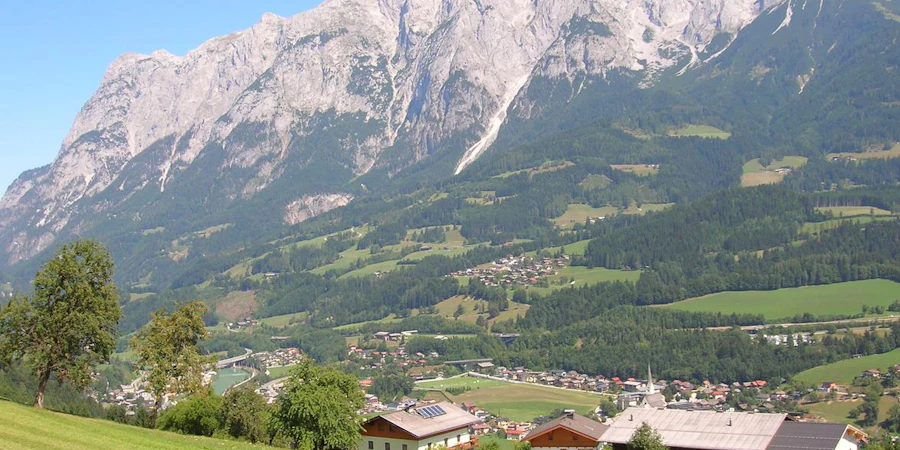
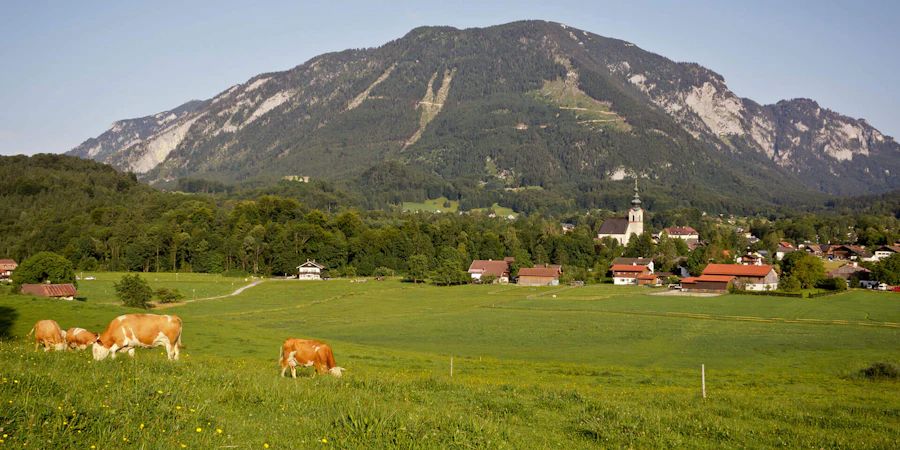
Access to green spaces varies significantly depending on location. Some neighborhoods are just minutes away from nature, while others are more urbanized. When searching for property, it is worth exploring not just the address but also the surrounding environment in person.
Real Estate Market and Demand
Demand for Condominiums
Apartments in St. Veit are sought after by both owner-occupiers and investors, albeit with different priorities. Owner-occupiers focus on factors such as quietness, light, lifts, and everyday usability, while investors prioritize rental potential, condition, and running costs. It is advisable to review building reserves and upcoming renovations early on.
New Construction and Development
New developments meet demand when price, location, and quality align. Existing properties still make up a large share of the market, often offering charm but also requiring renovation. Financing should therefore consider not only the purchase price but also realistic maintenance costs.
Differences by Micro-Location
In St. Veit, micro-location is often decisive. A quiet side street can be perceived very differently from a nearby main road. Orientation, views, parking pressure, and proximity to schools or shopping all have a noticeable impact—both for apartments and houses.
Owner-Occupiers vs. Investors
Owner-occupiers typically take a long-term perspective and compare details such as layout, neighborhood, noise levels, and daily routes. Investors tend to focus more on rental viability and low-risk properties. Both groups converge where location and condition align.
Who Is St. Veit Suitable For
Families
Apartments can be suitable if they offer practical layouts, storage space, and good connections to schools and leisure activities. In some cases, they are a pragmatic alternative to a house.
Commuters
Commuters benefit from locations with quick access to main routes or public transport. The actual travel time is more relevant than the postal code.
Investors
Investors look for solid rental demand, transparent operating costs, and good building condition. Well-sized, standard layouts are generally easier to rent.
Singles and Couples
Singles and couples often prefer central locations for flexibility and walkability, though quieter areas can also be attractive for those seeking more space and greenery.
Summary
St. Veit offers a broad spectrum ranging from central apartments to quiet residential areas and peripheral locations with strong green connections.
Micro-location often plays a more important role than living space, with factors such as noise, parking, orientation, and daily routes being decisive.
Anyone planning to buy property in St. Veit should consider infrastructure, commuting routes, and building condition together.
Property prices vary significantly depending on location, plot characteristics, infrastructure, and surroundings, making general comparisons unreliable.
For accurate property valuation, the exact address and condition of the property are key—especially when determining resale value.