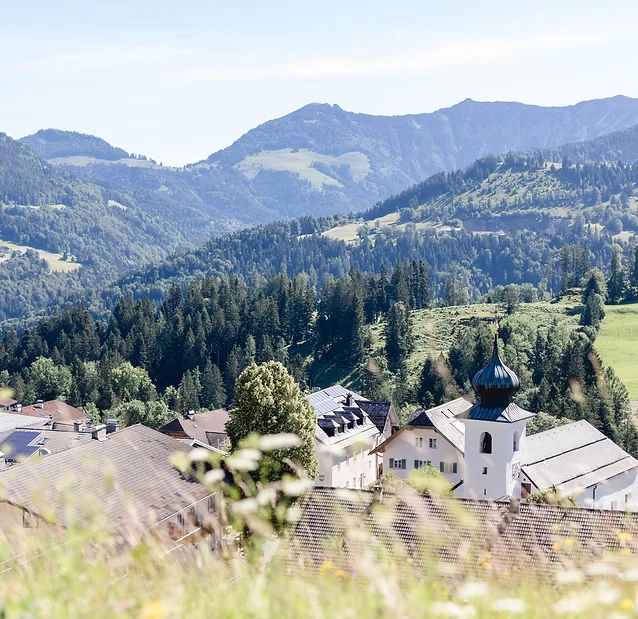
Character of the Location
Cityscape and Building Structure
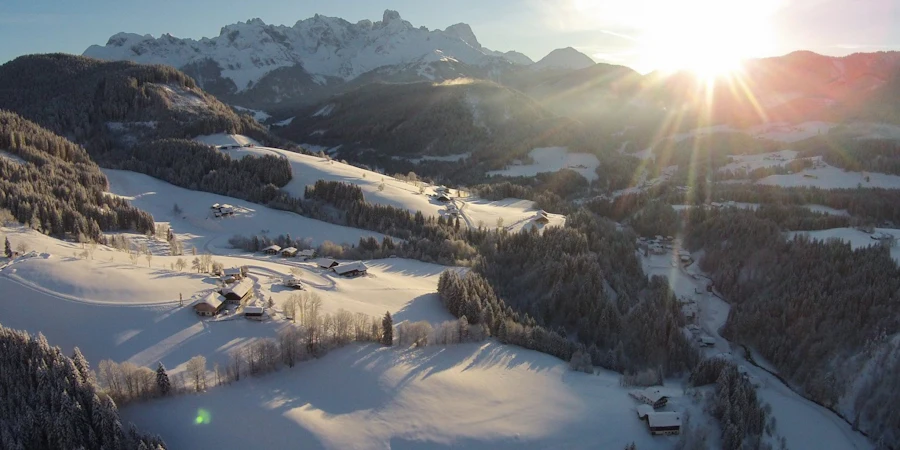
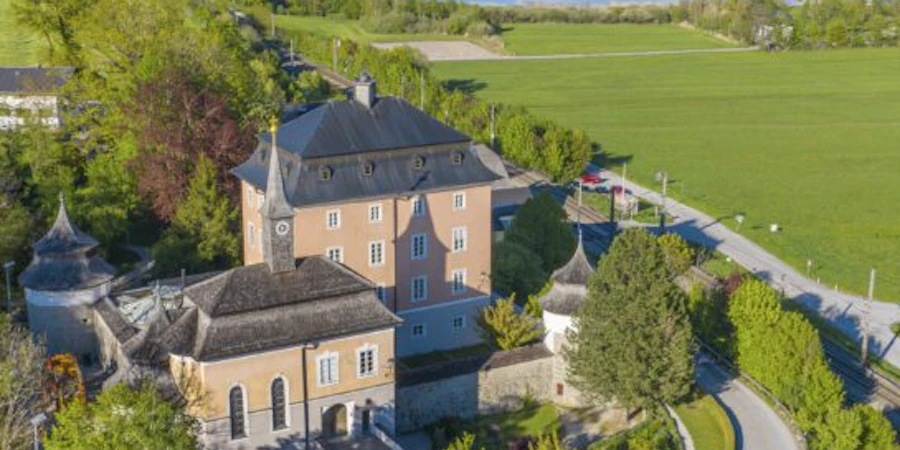
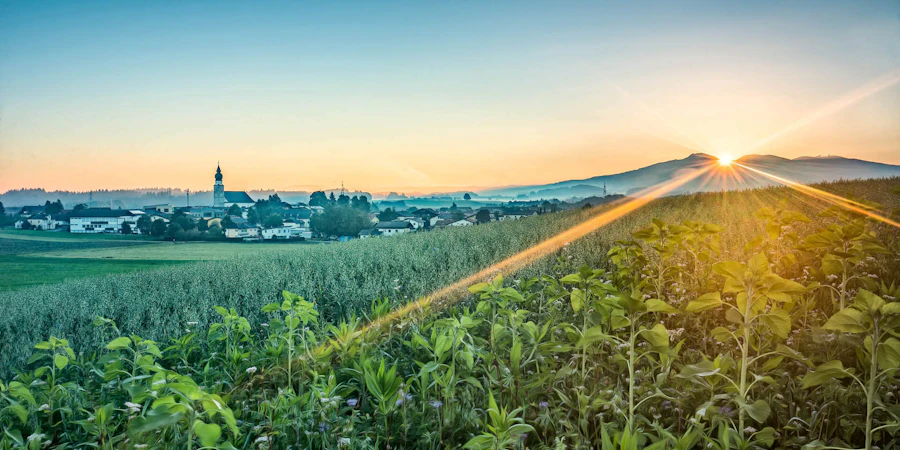
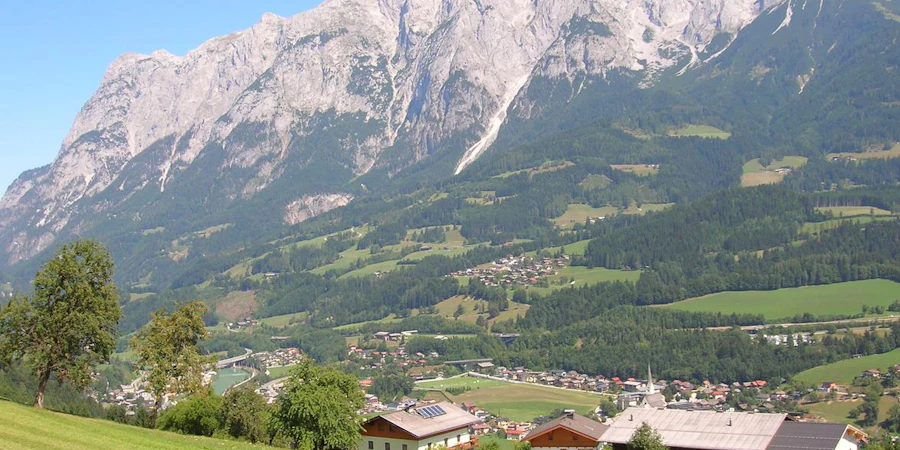
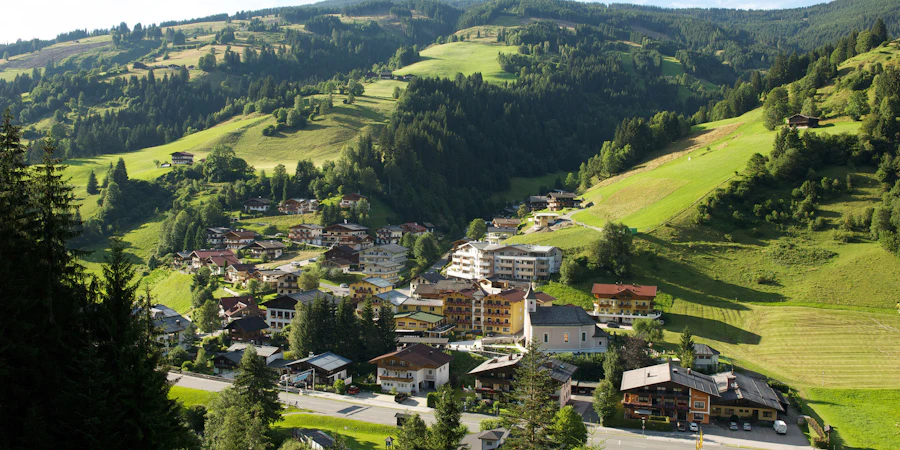
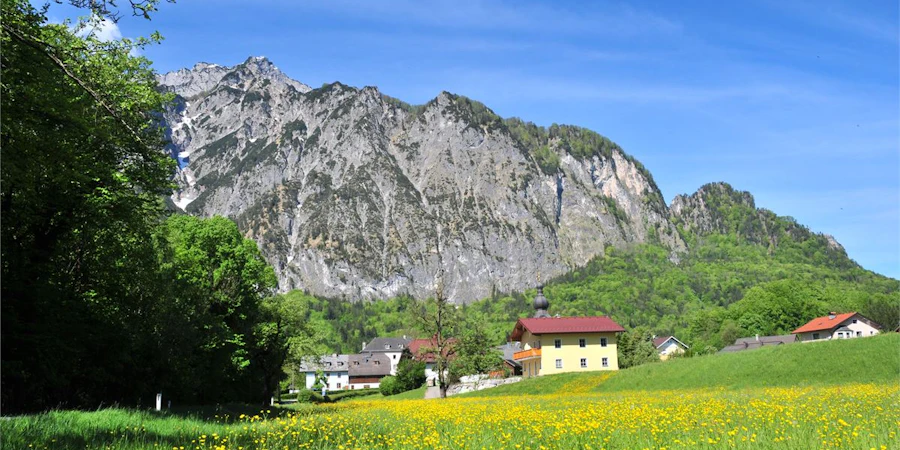
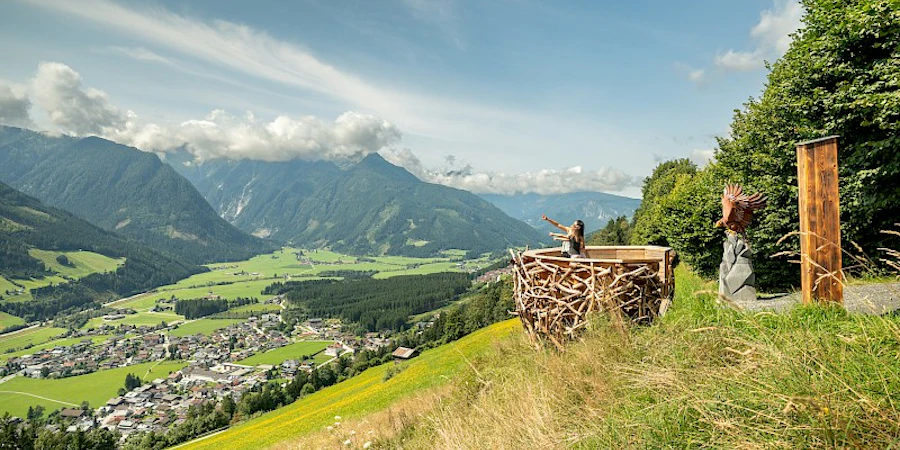
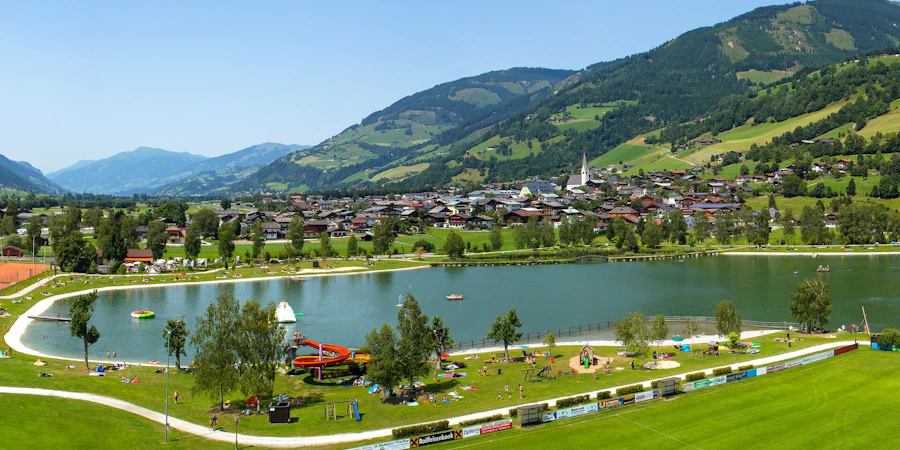
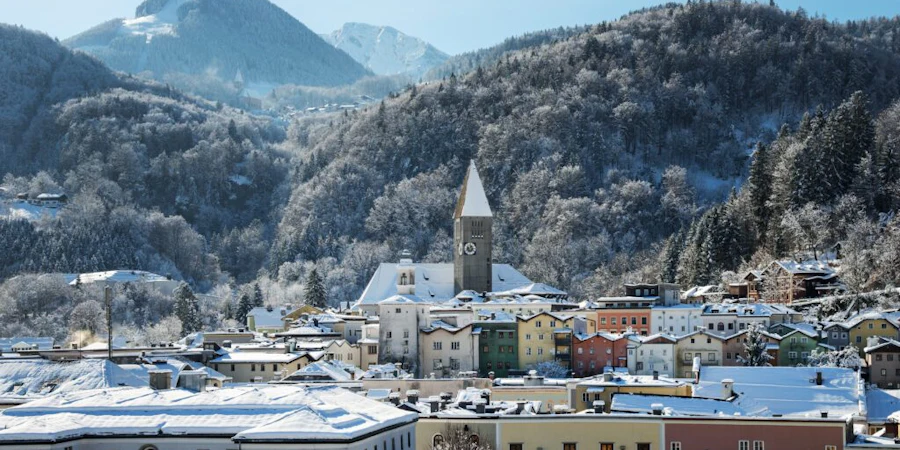
St. Koloman is a typical rural municipality in the Tennengau region: a high proportion of single-family homes, agricultural land, and smaller residential buildings in between. Around the village center, you will find the municipal office, church, and key amenities within short distances. Larger, dense settlement structures as seen in urban areas are the exception here.
Living Experience and Atmosphere
Everyday life is defined by peace and quiet. Those who live here quickly become familiar with routes, neighborhoods, and routines—something many see as a strong advantage, though it may be less appealing for those who prefer urban anonymity. The living experience depends heavily on the micro-location: sunny hillside locations feel more open and expansive, while valley locations are more sheltered and often cooler.
Different Areas and Their Character
St. Koloman does not have traditional “districts” like a city, but rather clearly distinguishable areas: around the village center with short distances, loosely built residential zones with single-family homes, as well as peripheral areas and scattered settlements. In hillside and panoramic locations, plot structures are often smaller and buildings are more adapted to the terrain.
Location and Accessibility
Transport Connections and Commuting Distances
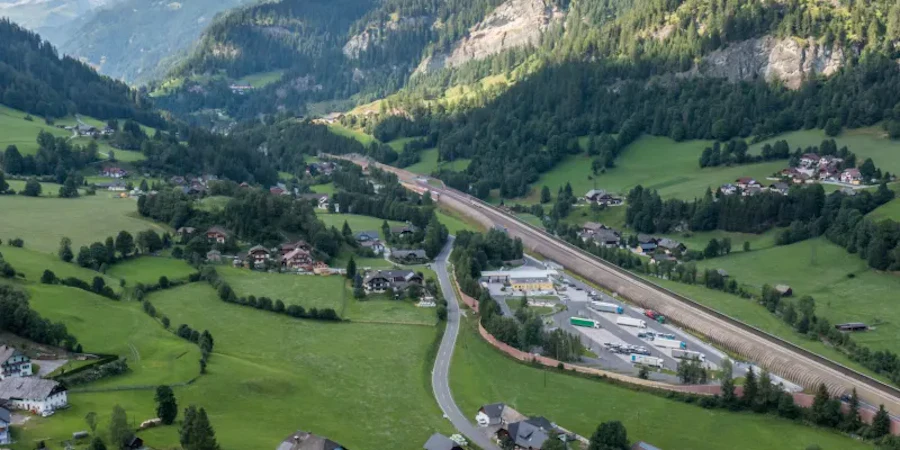
For commuters, St. Koloman is primarily attractive due to its connection toward Hallein. Depending on the specific location within the municipality, travel time to major infrastructure can vary significantly, as the final kilometers often run along local roads. Anyone regularly commuting to Salzburg should realistically test the daily route—especially in winter and during peak hours.
Public Transport and Everyday Mobility
Public transport exists but rarely replaces the car in daily life. For students and commuters, frequency and the location of stops are key factors. Many households therefore rely on a combination: bus connections for fixed schedules, and a car for shopping, leisure, and flexible travel.
Central vs. Quieter Locations
In the village center, distances to key amenities are shorter, but naturally the supply of properties is limited. Quieter locations are mainly found outside the center, often with more greenery and lower building density. In these areas, factors such as access roads, snow clearing, and real-life accessibility should be carefully considered.
Infrastructure and Everyday Life
Local Amenities and Education
Basic services are available within the village, but for larger shopping trips and a wider selection, many residents travel to Hallein or nearby areas. For families, proximity to kindergarten and primary school is a practical advantage that significantly simplifies daily routines. Secondary schools are mostly located outside the village, increasing the importance of reliable connections.
Medical Care and Services
Basic medical care and everyday services are accessible in the region, while specialized services are more commonly found in Hallein or Salzburg. Anyone requiring regular appointments should realistically factor in travel distances and parking—especially in peripheral locations.
Leisure Activities and Green Spaces
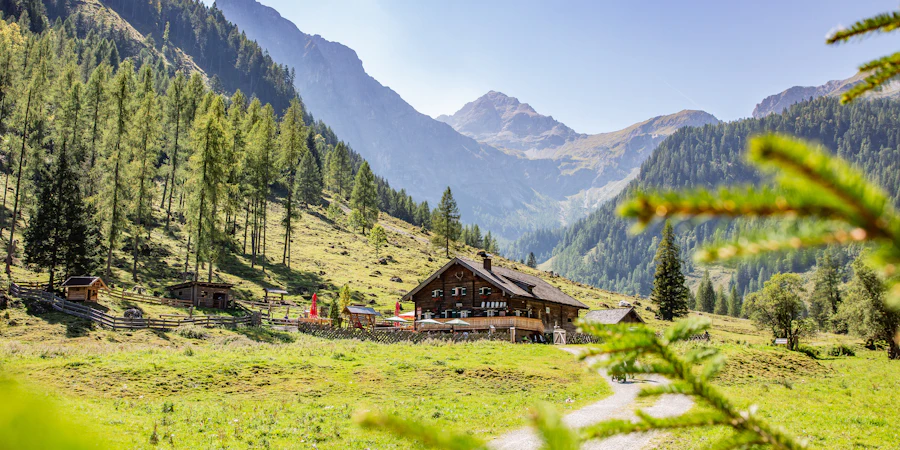
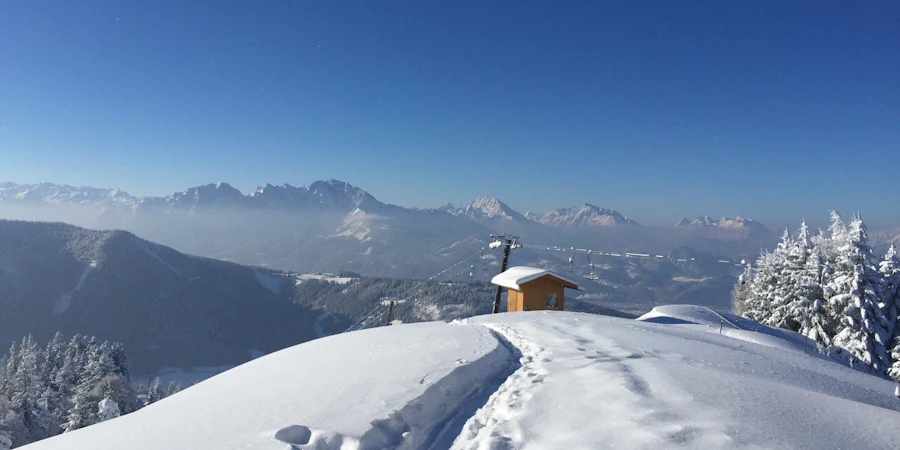
St. Koloman stands out with nature right on the doorstep. Walking paths, running routes, and simple excursion options often begin directly from the home. For clubs, sports facilities, and a broader leisure offering, nearby municipalities provide additional options.
Residential Areas in St. Koloman at a Glance
Central Locations with Compact Living
A truly “urban environment” does not exist here, but around the village center, living is at its most compact. Those who value short distances and fewer daily trips tend to focus on this area. Supply is limited, which means suitable properties are not constantly available.
Family-Friendly Residential Areas
Families often look for quiet residential streets with functional plots, minimal through traffic, and practical connections. In St. Koloman, these are typically established streets with single-family homes and low building density. What matters most is often not the “address” itself, but the exact position within the street and sun exposure.
New Developments and Current Trends
New construction occurs in smaller, more selective steps. Buyers interested in new builds are more likely to find individual projects or recently built homes rather than large residential complexes. Key considerations include not only specifications and energy efficiency, but also integration into the terrain and infrastructure.
Quiet Peripheral Locations with Green Surroundings
Outside the center, the area quickly becomes rural. Peripheral locations offer a high level of peace and often attractive views, but also involve longer distances and greater reliance on a car. For such properties, plot layout, access, and technical infrastructure (e.g., water, sewage, broadband) should be carefully evaluated.
Leisure and Surroundings
Sports and Recreation
Hiking, cycling, and simple mountain tours are easily accessible, as the landscape strongly shapes leisure activities. Those seeking daily physical activity will find more outdoor options than indoor infrastructure. For swimming pools, gyms, or larger sports facilities, residents typically travel to nearby areas.
Gastronomy and Local Offerings
The gastronomy scene is regional and relatively small in scale. For a wider choice of restaurants, cafés, and nightlife, Hallein and Salzburg are the natural destinations. For many residents, this balance is part of the appeal: quiet at home, with urban options within easy reach.
Nature and Nearby Recreation
The municipality offers abundant green space, which is often the key factor for buyers. What matters is how “close” nature truly is: a house on the outskirts may have direct access to trails, while a more central location may be more practical but less open in its surroundings.
Real Estate Market and Demand
Demand for Apartments
Apartments in St. Koloman are less common compared to urban markets, as the housing stock is dominated by houses. As a result, supply is limited, and layouts and location quality vary significantly from property to property. Anyone looking to buy an apartment in St. Koloman should remain flexible in terms of size and construction year and focus on everyday usability (parking, storage, balcony/loggia).
New Construction and Development
Project developments are generally small in scale. New builds are often aimed at owner-occupiers, occasionally at investors, with rental potential heavily dependent on location, quality, and regional demand. For new properties, it is important to carefully evaluate ongoing costs, property management, and long-term maintenance.
Differences by Micro-Location
In St. Koloman, micro-location is especially decisive: sunlight, views, slope, access, and proximity to daily routes directly influence demand and marketability. Noise factors differ from urban areas—typically related to specific roads or agricultural use rather than city traffic.
Owner-Occupiers vs. Investors
Owner-occupiers typically focus on long-term living, valuing plot size, space, and practicality. Investors place more emphasis on rental potential, maintenance risks, and target groups (commuters, local employees, smaller households). Anyone looking to buy property in St. Koloman should clearly distinguish between personal living preferences and pure investment logic—both can work, but rarely with the same criteria.
Who Is a Property in St. Koloman Suitable For
Families
For families, St. Koloman is a good fit if peace, nature, and a manageable environment are more important than extensive local shopping and leisure options. Key factors include school routes, daily organization, and the realistic number of weekly trips required.
Commuters
Commuters benefit if connections toward Hallein and Salzburg fit well into their daily routines. With regular working hours, the right location within the municipality can work very well. For shift work or frequent evening commitments, alternative transport options beyond the car become more important.
Investors
Investors will find more niche opportunities than a broad market. Compact, easily rentable units are rare but can work well with careful calculation and solid property quality. An apartment in St. Koloman is particularly attractive as an investment if it is practically rentable and does not involve unnecessary follow-up costs.
Singles and Couples
Singles and couples often choose St. Koloman for its tranquility and proximity to nature. Those who value nightlife, short distances, and dense infrastructure may feel more comfortable in larger towns. For anyone intentionally choosing a quieter lifestyle with higher living quality in green surroundings, the location can be a strong fit.
Summary
St. Koloman is distinctly rural; supply and demand depend heavily on sunlight, views, access, and proximity to the village center.
Apartments are less common than houses; buyers should remain flexible and carefully assess everyday usability.
When buying a house, factors such as plot layout, infrastructure, and winter accessibility are just as important as condition and layout.
Land prices in St. Koloman can only be realistically assessed based on specific micro-location, zoning, and buildability—not on general averages.