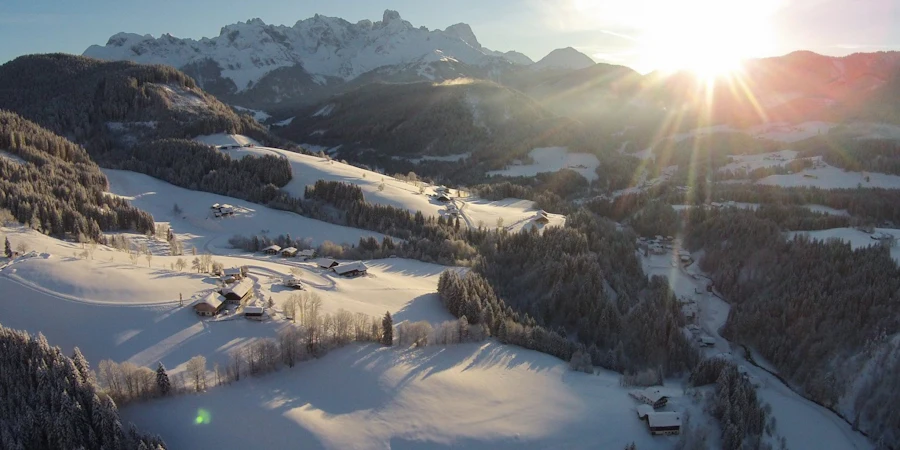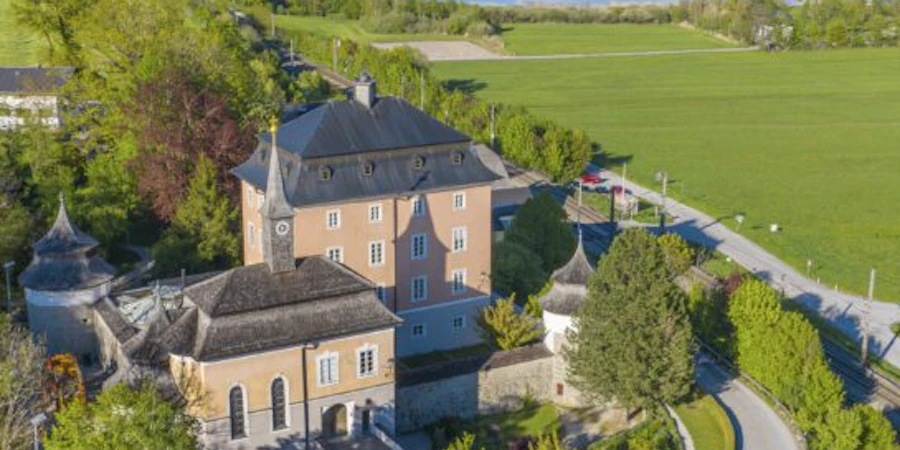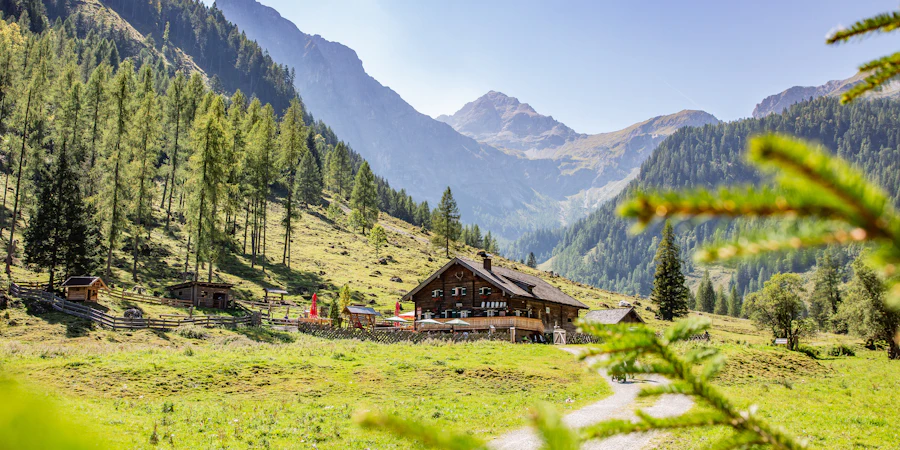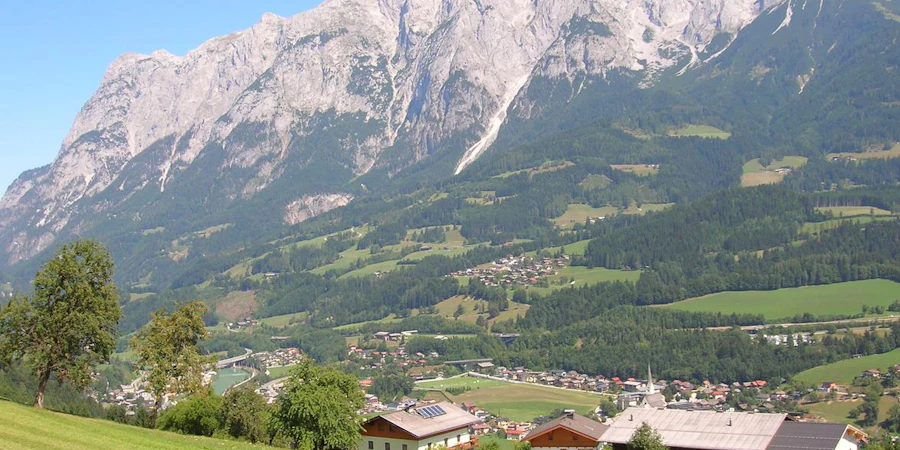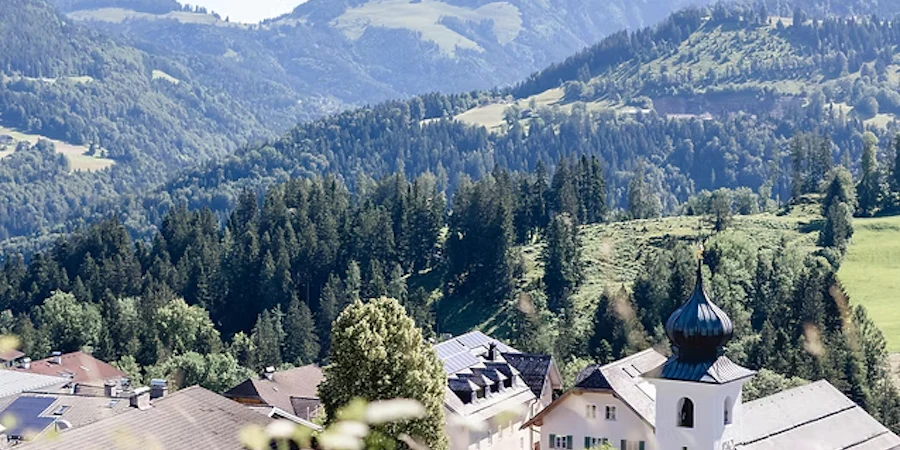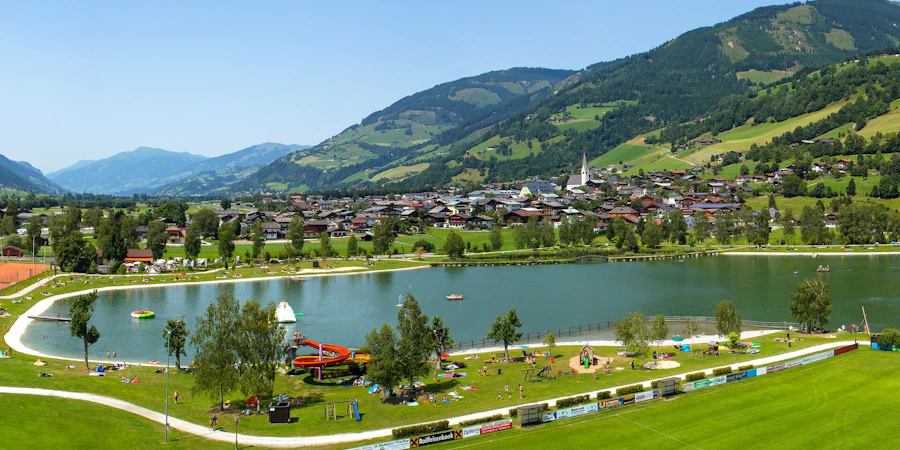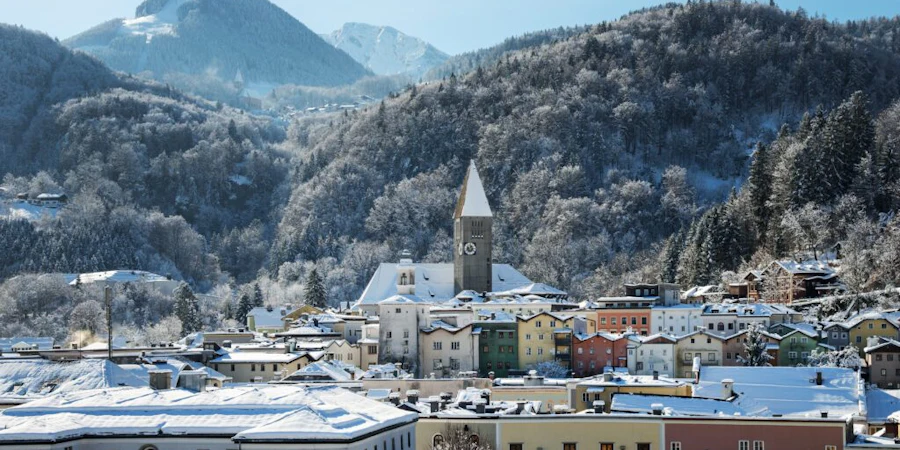

Anyone searching for property in Lungau will encounter a market shaped more by micro locations and usage concepts than in urban areas. Between town centers, sunny hillside locations, and quieter outskirts, distances are often short—but differences in demand and marketing time can still be significant.
Character of the Location
Townscape and Building Structure
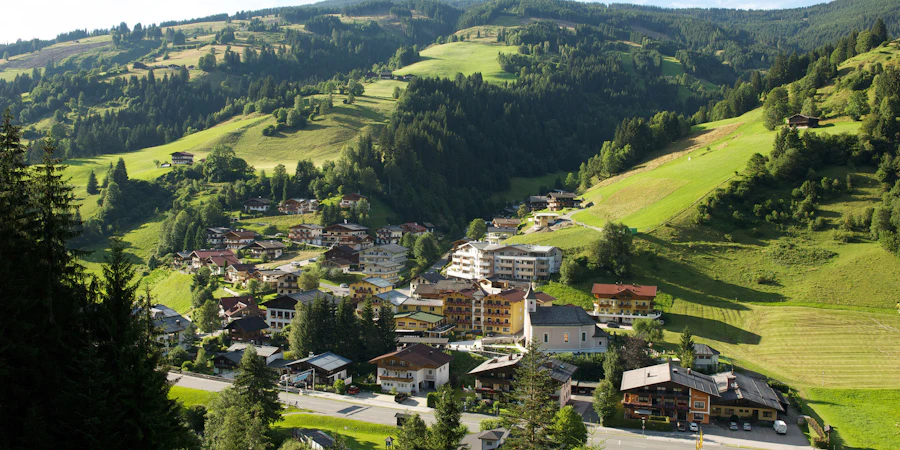
Lungau is not a traditional “city” with dense urban development, but rather a region made up of several villages, each with its own center. The building stock is therefore diverse: traditional houses, post-war buildings, modernized existing properties, and selectively newer residential developments. In many areas, single- and two-family homes dominate, while multi-unit buildings are more common where infrastructure and daily routes are convenient.
Living Experience and Atmosphere
Daily life in Lungau feels calm and well-structured. Most residents live with open views and more space between neighbors than in cities—something appreciated by both families and couples relocating from more densely populated areas. At the same time, life here is more seasonal: tourism, holiday periods, and winter sports influence activity levels and rental dynamics, depending on the location and type of property.
Different Areas and Their Characteristics
Rather than traditional “districts,” key factors in Lungau include hillside position, sunlight exposure, proximity to the village center, traffic conditions, and distance to leisure and tourism areas. Central locations offer shorter distances to shops and schools, while quieter residential streets and outskirts provide more greenery and privacy, often requiring greater reliance on a car.
Location & Accessibility
Transport Connections and Commuting
For commuters, the direction of travel is crucial. Within the region, distances are manageable, while connections to larger centers depend on access to major transport routes. Those who commute regularly tend to prioritize proximity to main roads—while balancing this against peace and residential quality.
Public Transport and Daily Mobility
Public transport is available but not equally convenient in all locations. In village centers and along main routes, mobility is more flexible, while peripheral areas often require a car. For households with only one vehicle, proximity to bus stops quickly becomes a decisive factor.
Central vs. More Secluded Locations
Central locations are attractive where daily errands can be handled on foot and children can move independently. More secluded areas at the edges of villages or in smaller settlements appeal to buyers who prioritize gardens, views, and privacy. Ultimately, pricing and demand are influenced less by postal codes and more by the exact street and orientation.
Infrastructure & Daily Life
Local Amenities and Education
Basic amenities are well covered in larger village centers, while in smaller districts, access depends on proximity to these hubs. For families, kindergarten and school routes, as well as after-school care and local clubs, are key factors influencing residential choices.
Medical Services and Everyday Needs
Medical care, pharmacies, and essential services are organized regionally. Buyers who value short distances—such as older residents or families with young children—tend to prefer central locations, while others may favor quieter settings with good accessibility.
Leisure and Green Spaces
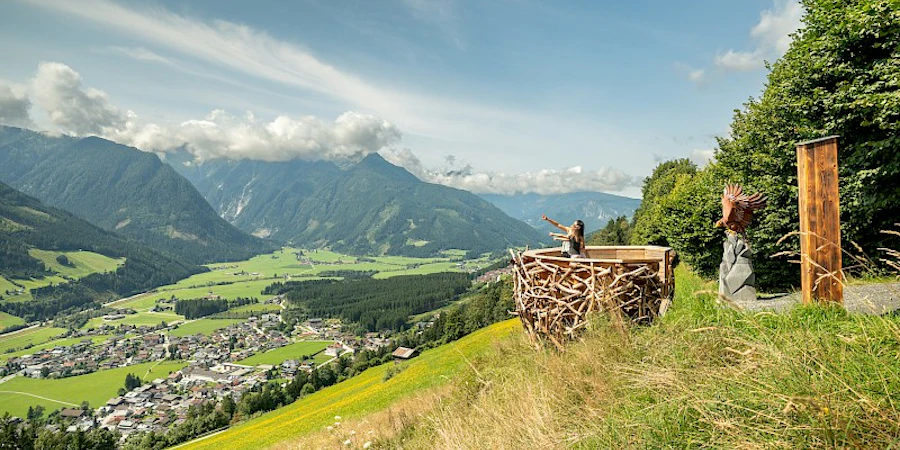
Leisure activities in Lungau often take place outdoors. Hiking trails, cross-country tracks, ski areas, and cycling routes are easily accessible in many locations, sometimes directly from the doorstep. This has a noticeable impact on demand for certain properties.
Residential Areas in Lungau at a Glance
Central Residential Areas
Areas close to village centers are attractive where daily life can be managed without a car. Apartments in Lungau are often sought after in these locations by buyers who value convenience, minimal maintenance, and structured property management.
Family-Friendly Areas
Residential areas with low traffic, play spaces, and good access to schools are typical choices for families. Buyers looking to purchase a house in Lungau often prioritize practical plot sizes, good sun exposure, and layouts that can adapt over time.
New Developments and Current Trends
New construction in Lungau is selective rather than widespread. Where developments occur, they typically focus on energy efficiency, parking solutions, and functional layouts. For buyers seeking modern apartments, new builds are particularly attractive when predictable operating costs and contemporary standards are important.
Quiet Peripheral Areas with Green Surroundings
Outskirts offer greater tranquility, views, and proximity to nature. However, access roads, winter maintenance, hillside positioning, and sunlight exposure should be carefully evaluated. For houses, factors such as outbuildings, driveway width, and overall usability of the plot become especially important.
Leisure & Surroundings
Sports and Recreation
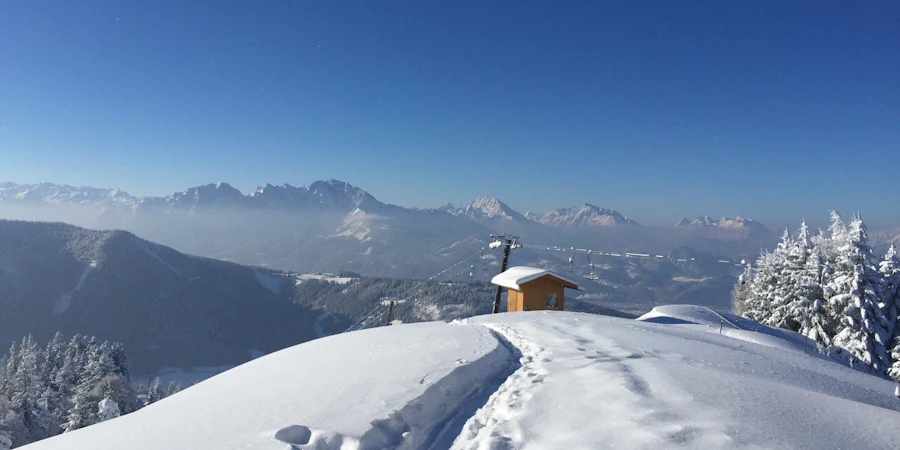
Lungau is strongly oriented toward outdoor activities in both winter and summer. This also influences property usage: some properties are used as primary residences, others as second homes or for short-term rental. Defining the intended use early helps guide the right purchase decision.
Gastronomy and Local Offerings
Village centers offer traditional restaurants and cafés, with availability often influenced by season and location. Those who prefer walking distance amenities tend to choose central locations, while others accept short drives in exchange for more tranquility.
Nature and Recreation Areas
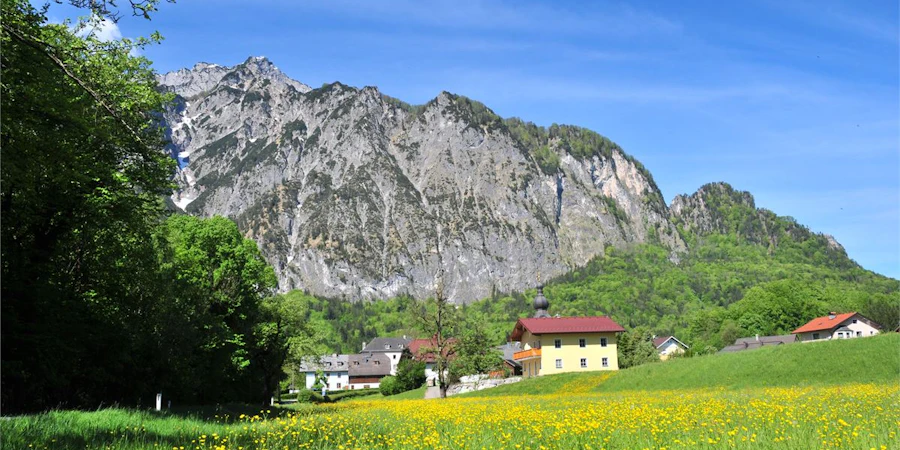
Many residential locations offer direct access to meadows, forests, and trail networks. For buyers, this is a real lifestyle factor, making daily activities such as walking, running, or relaxing outdoors easier to integrate.
Real Estate Market & Demand
Demand for Apartments
Apartments in Lungau are primarily in demand where infrastructure and accessibility are strong or where second-home usage is relevant. Apartments appeal to singles, couples, and older buyers—especially when accessibility, elevators, and parking are available. In existing buildings, these factors are often decisive.
New Construction and Development
Project development is strongly influenced by local conditions such as land availability, zoning, access, and integration into the village structure. Buyers should evaluate new developments based on location quality, construction standards, property management, and real-life usability rather than marketing brochures.
Differences by Micro Location
In Lungau, a few key factors determine market performance: sunlight exposure, views, noise levels, proximity to tourism infrastructure, parking availability, and winter accessibility. Land prices vary significantly depending on usability, zoning, and infrastructure rather than following a uniform pattern.
Owner-Occupiers vs. Investors
Owner-occupiers typically focus on layout, daily usability, and long-term operating costs. Investors evaluate rental potential, maintenance risks, and management structures. Both approaches can work in Lungau, but not equally well in every location. Understanding the target group and seasonal demand is essential.
Who is Lungau Suitable For
Families
Families often choose locations with short distances to schools, sports, and amenities, or quiet residential areas with low traffic. Storage space (basement, utility rooms) can be just as important as additional bathrooms.
Commuters
Commuters prioritize reliable access to main transport routes and sufficient parking. Apartments can be attractive where maintenance requirements are low and daily travel is efficient.
Investors
For investors, the key question is the stability of rental demand throughout the year and the realistic target group. Beyond rental income, factors such as condition, reserves, house rules, and management quality are crucial.
Singles and Couples
Singles and couples often look for compact, well-designed apartments in practical locations. Those considering future resale should focus on transport connections, parking, and a balanced environment—often more important than a few extra square meters.
Summary
- Micro location outweighs regional perception: sunlight, access, tranquility, and proximity to the center strongly influence demand and pricing.
- Central locations are attractive for car-independent living, while outskirts appeal for privacy, gardens, and nature.
- New construction is limited; comparing projects based on location quality, operating costs, and management is essential.
- For land, usability (slope, zoning, access) is just as important as size.