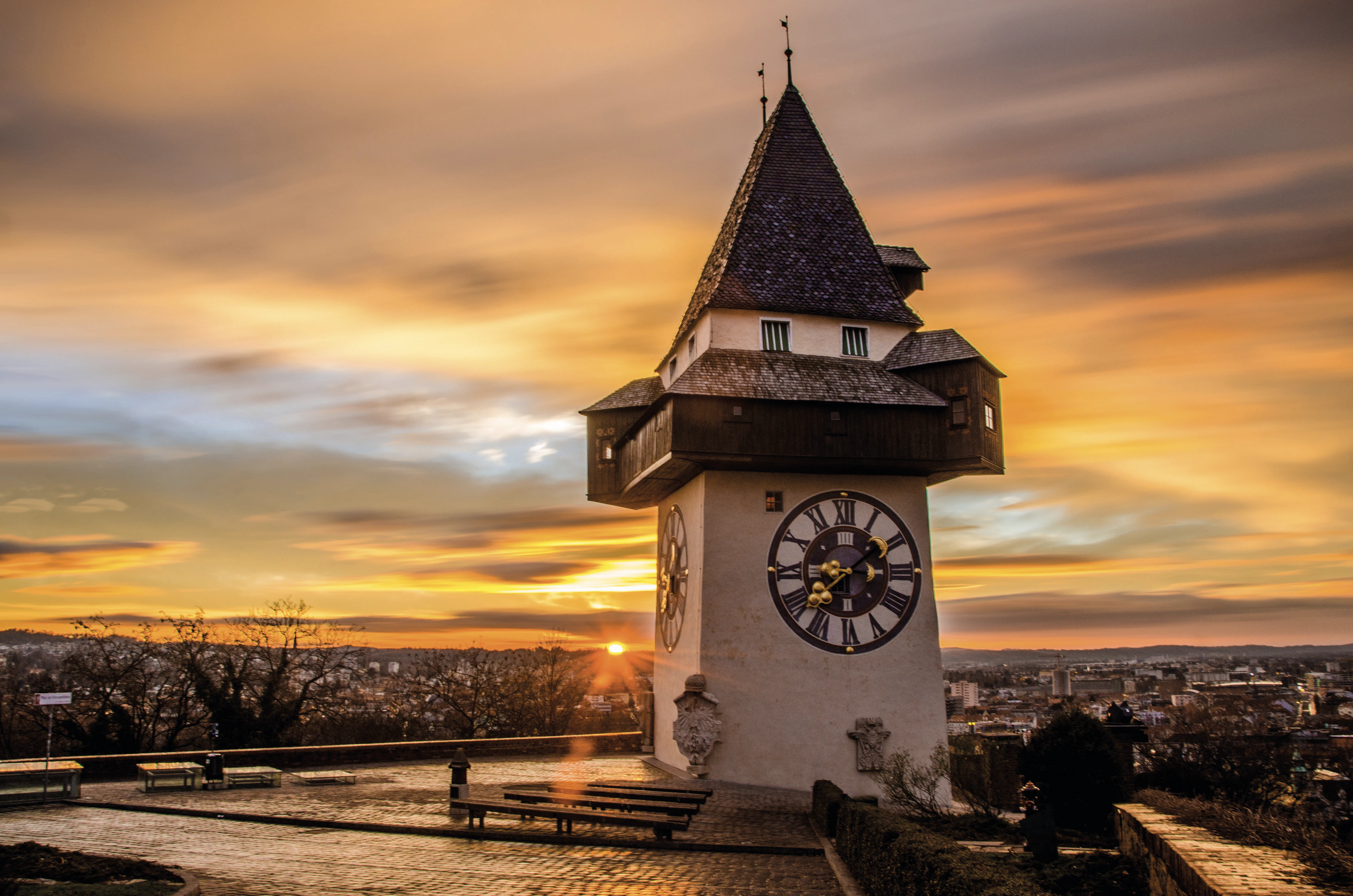
Character of the Location
Real estate in Graz is often sought after because of its mix of urban lifestyle, university-city character, and easily accessible green spaces. At the same time, in Graz the specific street often matters more than the district name: noise levels, orientation, parking pressure, and proximity to public transport can make a noticeable difference in practice.
Townscape and Building Structure
The cityscape ranges from historic Gründerzeit buildings and traditional apartment houses to post-war developments and dense modern housing projects. In the inner districts, many apartments are located in historic buildings with high ceilings, sometimes without elevators or with layouts that do not suit every household. Toward the outskirts, single-family homes, terraced housing developments, and newer residential neighborhoods become more common, often with parking spaces and more outdoor areas.
Living Atmosphere and Character
Many parts of Graz feel lively but not hectic. In central districts everyday life is more shaped by cycling and public transport, while in outer areas it is more car-oriented and closer to nature. Anyone looking for a condominium in Graz typically pays close attention to the condition of the building, reserve funds, and the actual level of noise either in the courtyard or toward the street.
Different Districts and Their Character
Central districts around the historic center, Lend, or Gries offer short distances, a dense range of services, and a wide selection of existing properties.
Geidorf and St. Leonhard are often in demand due to their proximity to universities, established structures, and strong infrastructure.
Eggenberg combines established residential areas with larger new development projects.
Mariatrost, Ries, and Andritz are known for greener residential environments and a higher share of single-family homes, while Puntigam and Liebenau are shaped by workplaces, traffic connections, and newer housing developments.
Location & Accessibility
Transport Connections and Commuting
Graz is an important commuting hub in Styria. People living outside the city but working in Graz often focus on access to major roads, traffic congestion during peak hours, and proximity to park-and-ride facilities or efficient public transport lines. For many households the key question is whether the commute crosses the entire city or stays close to the workplace.
Public Transport and Everyday Mobility
Tram and bus lines structure daily mobility, especially in inner districts and along major corridors. In practice, both the distance to the nearest stop and service frequency during off-peak hours matter. Cycling routes and the city’s topography vary depending on the area—something many people only fully experience after moving in.
Central vs. Quieter Locations
Living centrally usually means shorter travel times and more amenities, but often smaller floor plans, less outdoor space, and greater sensitivity to noise. Quieter areas are typically found in side streets, on higher terrain, or in peripheral districts with stronger connections to green surroundings. Anyone planning to buy a house in Graz often prioritizes this quieter environment, while still considering daily accessibility.
Infrastructure & Daily Life
Local Supply and Education
In many districts of Graz, daily amenities are within walking distance, while in peripheral areas this depends more on the specific neighborhood. Graz is both a school and university city; this influences not only demand but also housing types—from family apartments to smaller units for students and young professionals.
Medical Care and Services
Doctors, pharmacies, and everyday services are especially concentrated in central districts. For homeowners, proximity to practical services such as craftsmen, property managers, banks, and public offices is also relevant when choosing a location.
Leisure and Green Spaces
The Mur River, Stadtpark, Schlossberg, and numerous sports and leisure facilities shape the lifestyle of the city. Many buyers look for quick access to green spaces because it significantly enhances the quality of everyday living, even without a large private garden.
Residential Areas in Graz at a Glance
Central Urban Residential Areas
Inner-city areas offer short distances to work, gastronomy, and culture. Typical housing here consists of historic apartments and older buildings, sometimes with renovation needs in communal areas or building systems. Buyers looking to buy an apartment in Graz often focus on features such as elevators, courtyard orientation, sound insulation, and a transparent reserve and renovation plan for the building.
Family-Friendly Neighborhoods
Families in Graz often search for well-designed three- to four-room apartments or terraced houses in quieter areas with playgrounds, schools, and manageable daily routes. Districts with established infrastructure and less through traffic are usually preferred. For existing properties it is worth closely reviewing energy performance, windows, heating systems, and operating costs.
New Development Areas
New construction is particularly visible in Graz where larger plots are available or where densification projects take place. Buyers interested in new developments should evaluate not only the interior specifications but also the surrounding neighborhood: How is the area developing? How is parking organized? Are shared spaces realistically usable? For investors, rental income must align with the overall financial calculation and property management should be professionally organized.
Quiet Peripheral Locations
At the city’s edges and in higher locations, residents find more greenery, larger plots, and a different living atmosphere. Anyone searching for land inevitably encounters the topic of land prices in Graz, which depend heavily on zoning regulations, hillside conditions, infrastructure access, and the specific driveway situation. Particularly in hillside locations, construction costs, access solutions, and drainage should be clarified early.
Leisure & Surroundings
Sports and Recreation
From running routes along the Mur to sports facilities and active club life, Graz offers many opportunities without requiring long travel times. For owner-occupiers this is an important location factor because leisure activities can be easily integrated into everyday life.
Gastronomy and Local Offerings
Graz has a lively gastronomy and cultural scene that varies in intensity from district to district. Those seeking quiet living often consider the distance from nightlife areas, while those wanting an urban lifestyle willingly accept the vibrant atmosphere.
Nature and Recreation
In addition to city parks, natural recreational areas around Graz can be reached quickly. For many buyers this is a reason to consider locations slightly outside the most central districts if the transport connections are good.
Real Estate Market & Demand
Demand for Condominiums
Demand for condominiums in Graz is broad: singles and couples often search for compact, well-connected units, while families look for larger layouts in quieter neighborhoods. In practice, a condominium in Graz is evaluated heavily based on building condition, operating costs, homeowners’ association structure, and the quality of property management—not just square meters.
New Construction and Development
New developments offer modern standards, but location quality and construction quality remain decisive. In suburban projects the development of surrounding infrastructure becomes important, while in central areas the focus is often on density and noise management. Anyone planning to buy real estate in Graz should compare new and existing properties based on everyday usability and ongoing costs rather than simply on construction year.
Differences by Micro-Location
In Graz, just a few cross streets can make a significant difference: traffic, tram proximity, restaurants, views, courtyard orientation, or hillside positions. Parking availability and orientation (sunlight or summer heat exposure) also play a larger role during property viewings than many buyers initially expect.
Owner-Occupiers vs. Investors
Owner-occupiers often make more emotional decisions but remain rational regarding operating costs and renovation risks. Investors focus more on rental potential, tenant target groups, and maintenance risks. Both strategies work in Graz when the property, location, and financial calculation align.
Who Is a Home in Graz Suitable For?
Families
For families, the key factors are floor plans, storage space, outdoor areas, and proximity to kindergarten, schools, and recreational facilities. Quiet side streets and traffic-calmed areas are often more important than absolute proximity to the city center.
Commuters
Commuters benefit from locations that make daily travel predictable. Proximity to public transport or efficient road access is often decisive, depending on whether the workplace is in Graz or outside the city.
Investors
Investors focus on long-term rental potential. Well-connected locations, reliable property management, and a clear maintenance plan are central evaluation factors in Graz.
Singles and Couples
Singles and couples often prefer central districts or areas with strong public transport connections and everyday amenities within walking distance. For smaller apartments, the quality of the floor plan quickly determines long-term usability.
Summary
- Graz offers very diverse residential environments—from central urban neighborhoods to quiet green areas on the outskirts—and micro-location is often decisive.
- For apartments and houses, building condition, operating costs, noise levels, parking availability, and daily accessibility are crucial factors.
- New developments and existing properties should be evaluated based on usability, ongoing costs, and neighborhood quality—not simply by construction year.
- For land, zoning, infrastructure access, and topography are the most important price drivers and risk factors.