Character of the Location
Cityscape and Building Structure
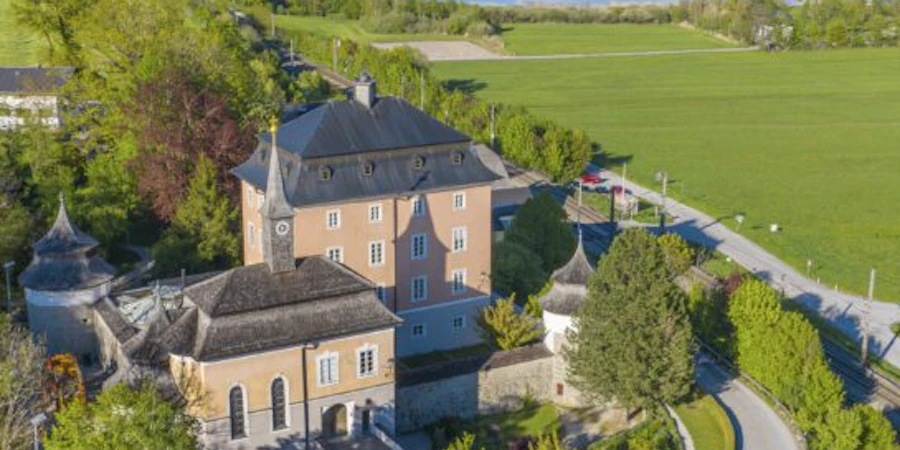
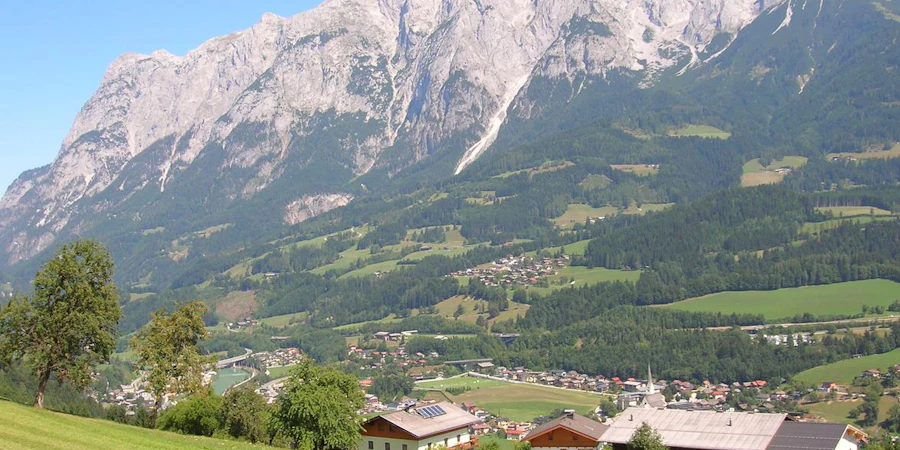
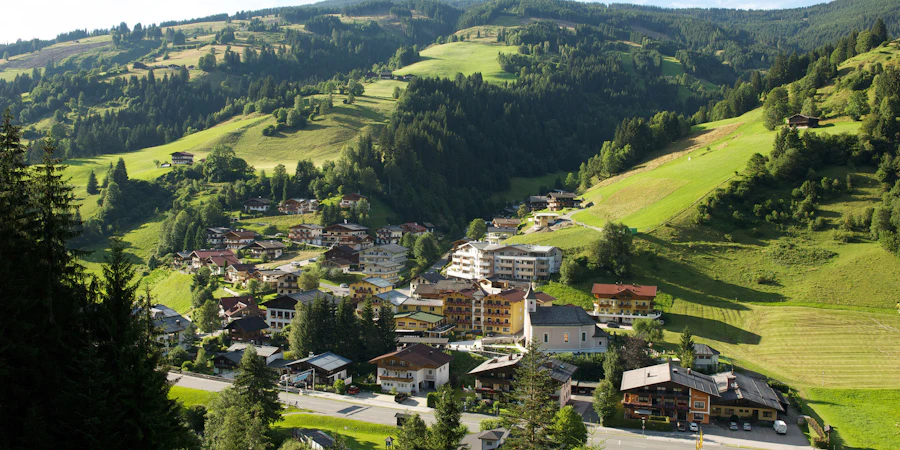
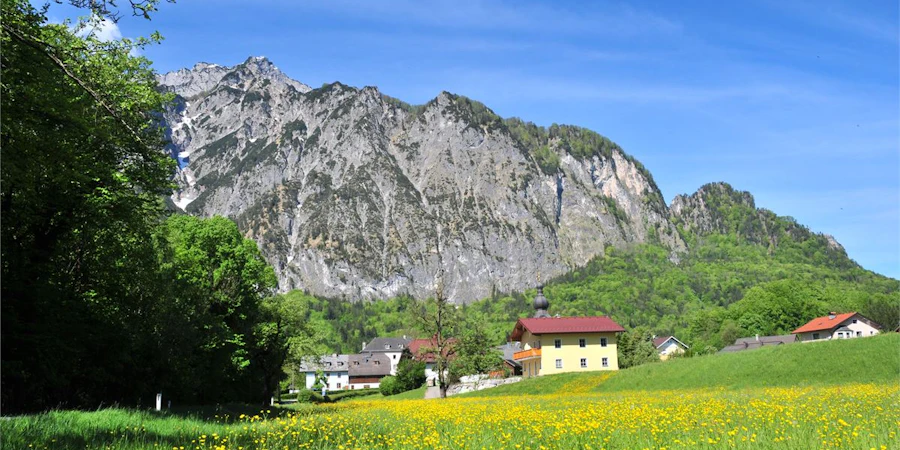
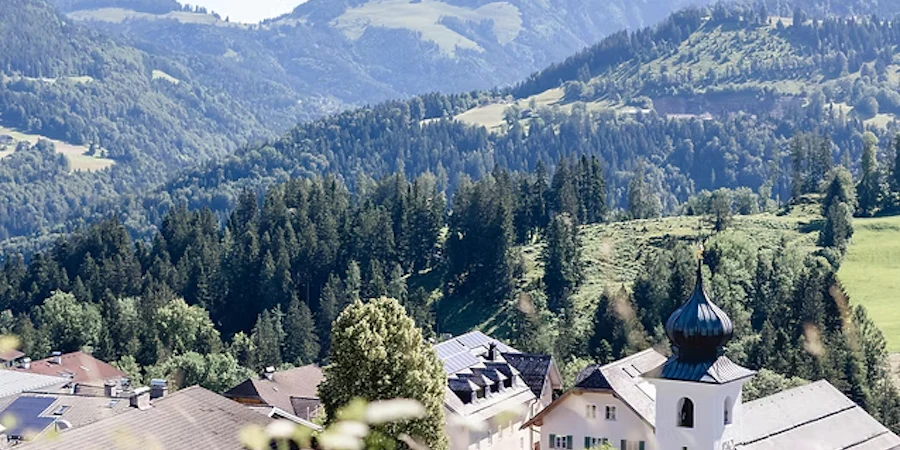
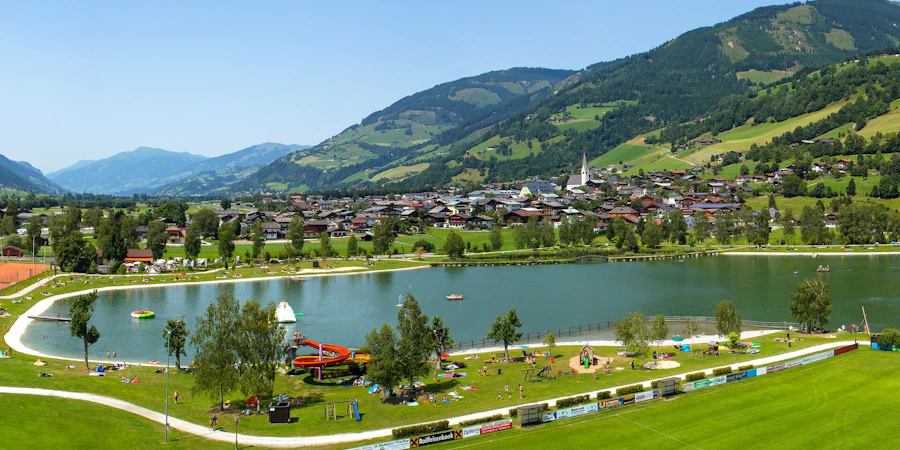
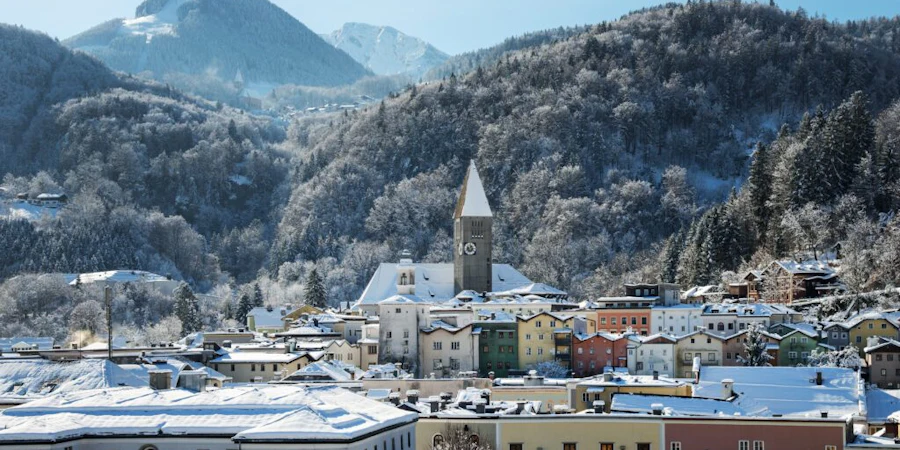
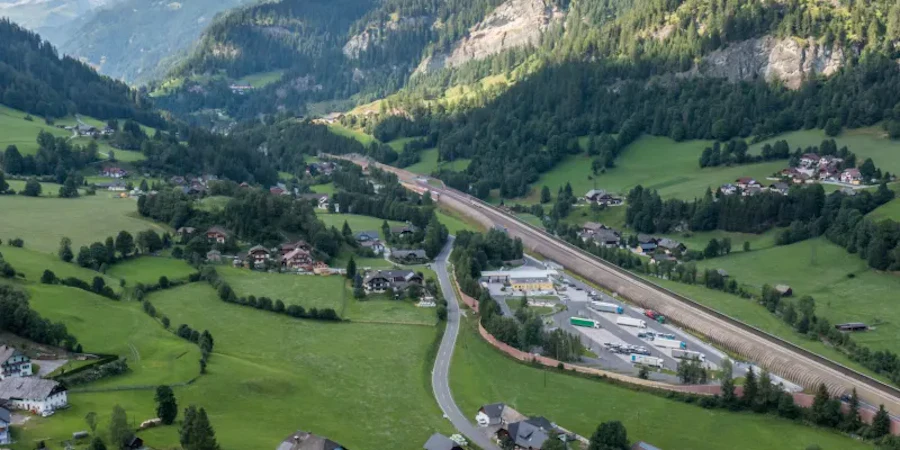
St. Martin am Tennengebirge is a rural municipality in the Lammertal valley. The townscape is characterized by single-family homes, smaller multi-unit buildings, agricultural structures, and some tourism-related properties. Large, dense housing blocks are rare; instead, you’ll find established streets, low-density development, and plenty of green space between buildings.
Living Experience and Atmosphere
Daily life here is calm and well-structured. People tend to know each other, distances are short, and life revolves largely around the village center and local amenities. Those who appreciate quiet evenings and quick access to nature in the morning will find a suitable environment. At the same time, St. Martin is not isolated—this balance between tranquility and accessibility is exactly why many choose to live here long-term.
Different Areas and Their Character
Within the municipality, locations differ less by classic “districts” and more by proximity to the village center, hillside positioning, and distance from through roads. Areas near the center offer walkable daily routes, while peripheral locations provide more privacy, often larger plots, and sometimes steeper terrain. In some areas, newer residential developments are visible, usually as small clusters of single-family or semi-detached houses.
Location and Accessibility
Transport Connections and Commuting Distances
St. Martin am Tennengebirge is located in the Lammertal with connections toward Abtenau and further into the Tennengau region. For commuters, accessibility to larger employment and shopping centers is key; depending on the workplace, routes toward Bischofshofen or Hallein may also be relevant. Travel times vary significantly depending on weather, seasonal traffic, and the specific location within the village.
Public Transport and Everyday Mobility
Daily life in many households is car-oriented, especially when children travel to activities or workplaces are outside the municipality. Public transport exists but is often limited by schedules and frequency. Anyone wishing to live without a car should consciously choose locations near bus stops and essential amenities.
Central vs. Quieter Locations
Central locations offer shorter distances to shops, schools, and municipal services. Quieter areas are typically found away from main roads and toward the outskirts; these locations tend to be greener but involve longer distances, and in winter, access roads and slopes can become more significant factors. Viewing properties at different times of day is advisable.
Infrastructure and Everyday Life
Local Amenities and Education
Basic daily needs are covered within the village or nearby, but for larger shopping trips or specialized services, residents often travel to surrounding towns. Families pay particular attention to kindergarten and school availability, as well as accessibility in winter. Secondary schools are typically located outside the village, increasing the importance of reliable transport.
Medical Care and Services
Basic medical care and everyday services are available in the region, while specialized services are usually found in larger nearby towns. For older residents or households without a second car, proximity to doctors, pharmacies, and banks is an important factor.
Leisure Activities and Green Spaces
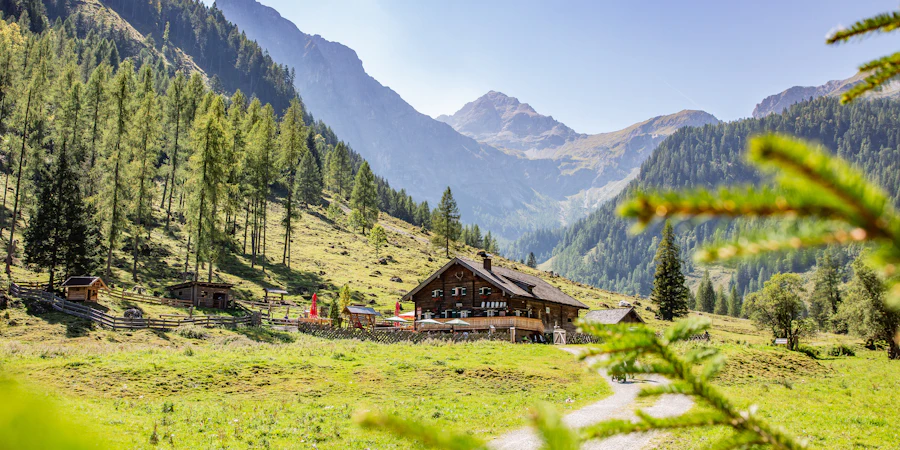
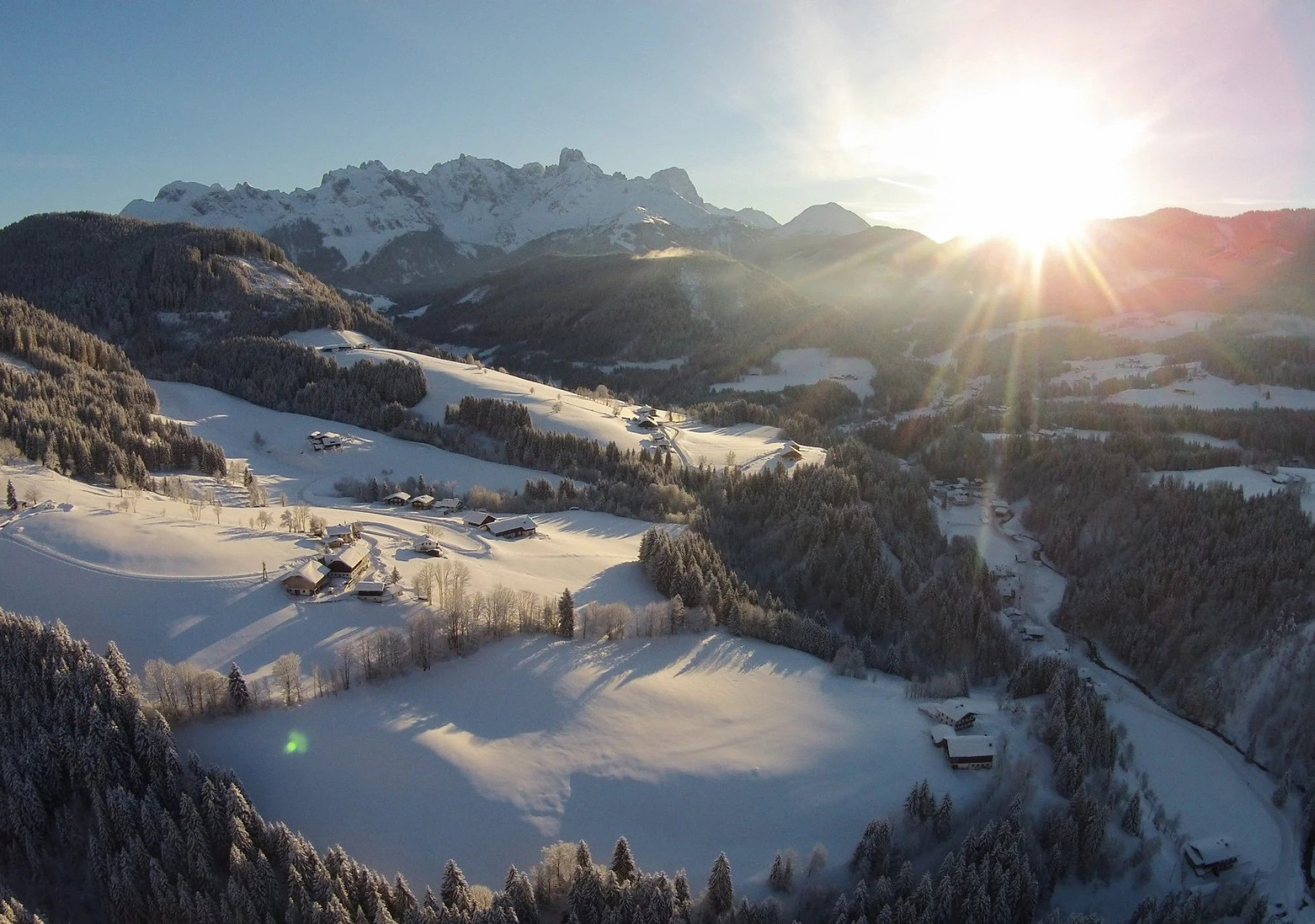
Leisure activities are strongly nature-oriented: walking, cycling, mountain sports, and winter activities shape everyday life. Green spaces are not just on the outskirts—they often begin right behind the house. For many, this is a key reason to choose living in the Lammertal over a city apartment.
Residential Areas in St. Martin am Tennengebirge at a Glance
Central Locations with Compact Living
There is no “urban environment” in the traditional sense, but areas near the village center offer the highest density of everyday infrastructure. Buyers looking for an apartment in St. Martin am Tennengebirge typically focus here first, as accessibility and rental potential are easier to assess. For older owner-occupiers, proximity to services and bus stops is often crucial.
Family-Friendly Residential Areas
Families tend to prefer quiet side streets, easy access to schools and kindergartens, and a safe environment. Popular areas have low traffic and space around the home. Anyone looking to buy a house in St. Martin am Tennengebirge will not only compare plot size, but also sun exposure, winter access, and proximity to agricultural use.
New Developments and Current Trends
New construction occurs selectively rather than in large developments. Typical projects include small apartment buildings or semi-detached/terraced houses, depending on zoning and land availability. For new builds, factors such as layout and energy performance matter, but also how the micro-location works in daily life—access, parking, snow clearing, and views.
Quiet Peripheral Locations with Green Surroundings
On the outskirts, the environment quickly becomes very quiet, often with open views and direct access to meadows and trails. However, these locations are more dependent on cars. Property prices in St. Martin am Tennengebirge can vary significantly depending on slope, infrastructure, and development potential; comparisons should always consider zoning and access.
Leisure and Surroundings
Sports and Recreation
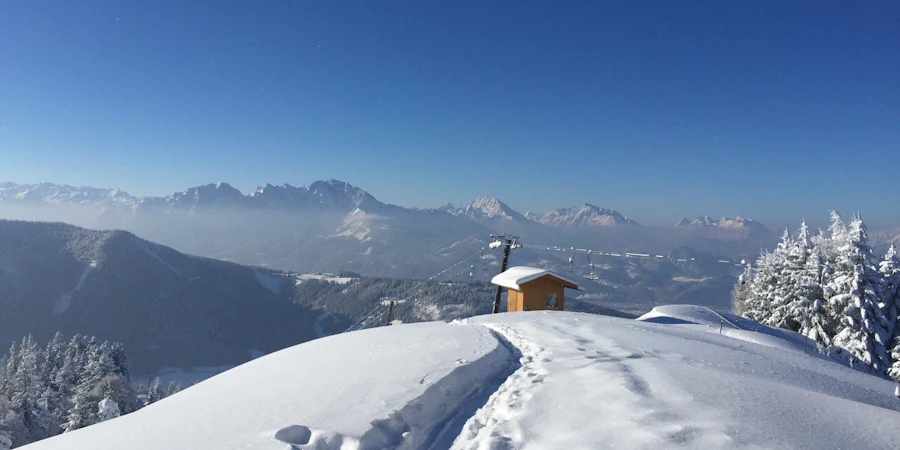
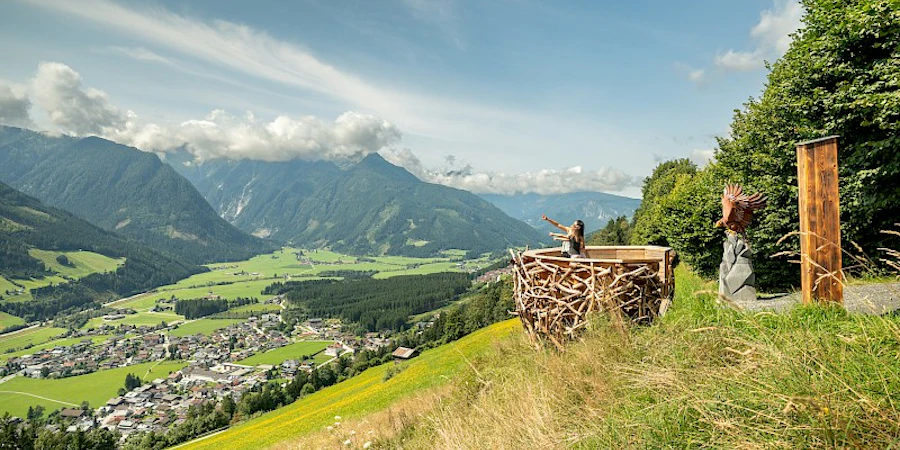
The region is defined by outdoor activity. Hiking, ski touring, cross-country skiing, or simply reaching a scenic viewpoint are part of many residents’ weekly routines. Those who want to spend time outdoors year-round will find ideal conditions here.
Gastronomy and Local Offerings
The gastronomy scene is regional and down-to-earth. For special occasions or a wider selection, residents typically travel to nearby towns. For daily life, many find the combination of local amenities, clubs, and seasonal offerings sufficient.
Nature and Nearby Recreation
The immediate recreational value is high, as the landscape is essentially part of the living environment. For couples and singles who want to unwind after work, this is a tangible benefit. However, it is important to recognize that weather and seasonal factors influence daily life more than in urban settings.
Real Estate Market and Demand
Demand for Apartments
Demand for apartments in rural areas is generally more selective than in urban centers. Buyers looking to purchase an apartment in St. Martin am Tennengebirge typically focus on modern layouts, low operating costs, and locations that function well without long commutes. Smaller, well-designed units are attractive for owner-occupiers, while investors focus more on rental potential and target groups.
New Construction and Development
Project developments are limited and strongly dependent on available land and local planning. As a result, supply is not consistently available. When suitable properties do come to market, the combination of condition, location, and pricing determines how quickly transactions occur.
Differences by Micro-Location
Micro-location is a key factor in St. Martin: sunlight, slope, views, access, and neighborhood significantly influence marketability. Proximity to main roads or agricultural operations can also affect perception during viewings. For land, additional factors include infrastructure, shape, zoning, and development potential.
Owner-Occupiers vs. Investors
Owner-occupiers make decisions based on long-term living plans: space requirements, schools, commuting, and whether they intend to stay in the area. Investors take a more analytical approach, focusing on rental potential, maintenance, and realistic target groups; in smaller markets, accurate assessment is particularly important. For both groups, complete documentation and a transparent condition help avoid future issues.
Who Is a Property in St. Martin am Tennengebirge Suitable For
Families
For families, the location works well if daily life is organized regionally: schools, clubs, and leisure activities nearby, combined with a quiet and spacious environment. Depending on the location, distances may be short or require a car. Buyers should consider not only living space but also storage, parking, and winter accessibility.
Commuters
Commuters benefit if the connection to their workplace is reliable and predictable. Central locations simplify daily routines by allowing errands to be combined more easily. Peripheral locations offer more peace but require additional travel time.
Investors
For investment purposes, the key question is which tenant group is realistic: local employees, seasonal workers, or people intentionally choosing to live in the Lammertal. An apartment in St. Martin am Tennengebirge makes sense as an investment when condition, operating costs, and rental potential align. A solid valuation requires careful analysis of comparable properties, location factors, and specific features.
Singles and Couples
Singles and couples often value the peace, access to nature, and manageable structure. Those who prefer nightlife, short distances, and dense infrastructure should realistically compare their lifestyle with the rural setting. When deciding between an apartment and a house, the key factor is often not space, but how much time one wants to invest in maintenance, gardening, and travel.
Summary
St. Martin am Tennengebirge is rural, quiet, and largely car-dependent; central locations significantly reduce daily travel.
The real estate market is limited in size, and micro-locations (sun exposure, slope, access, neighborhood) make a substantial difference.
When valuing land, prices must always be assessed based on zoning, infrastructure, and development potential—not general averages.
For determining the value of a property, condition, documentation, and realistic comparable data are more important than broad market benchmarks.