Character of the Location
Townscape and Building Structure
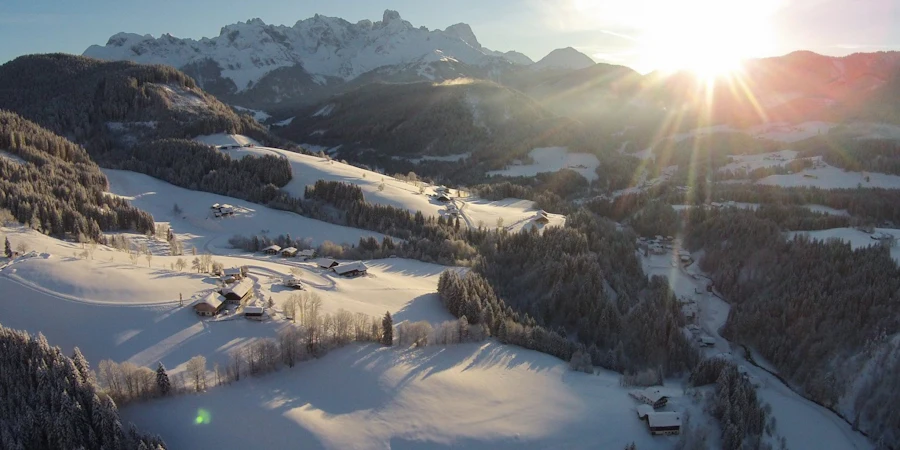
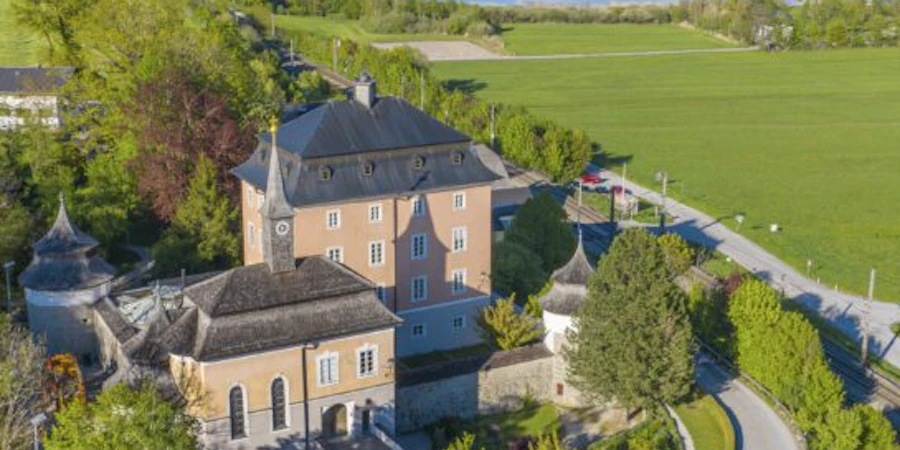
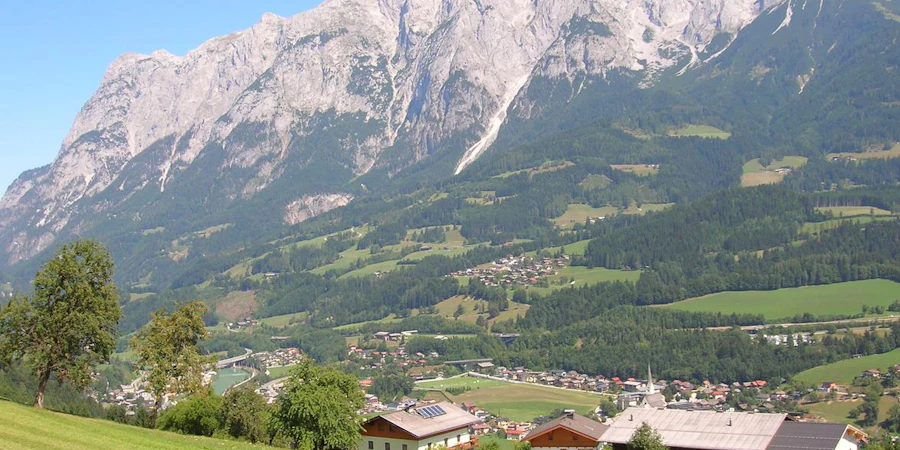
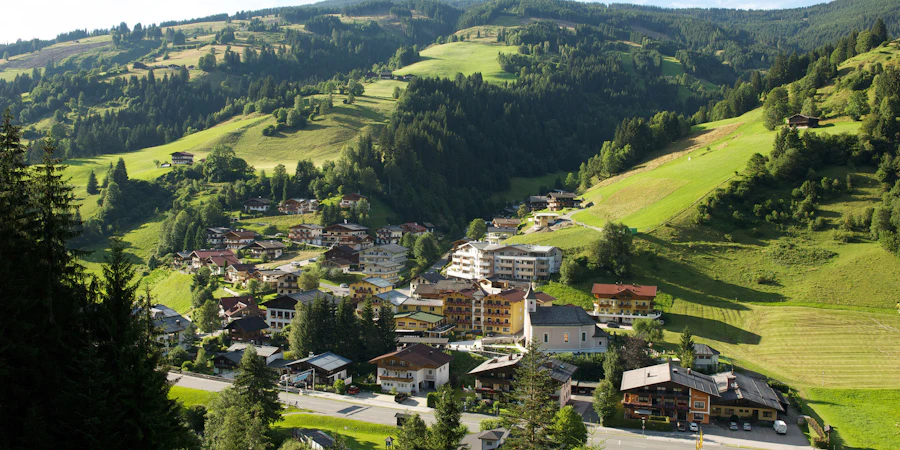
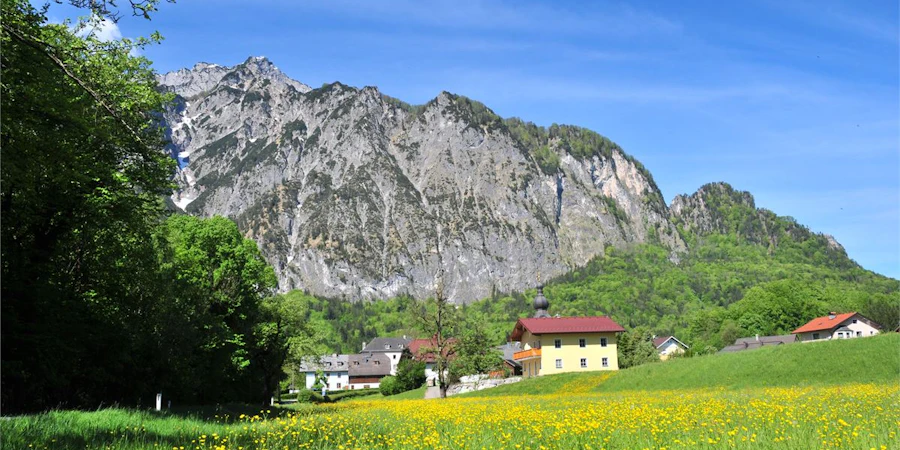
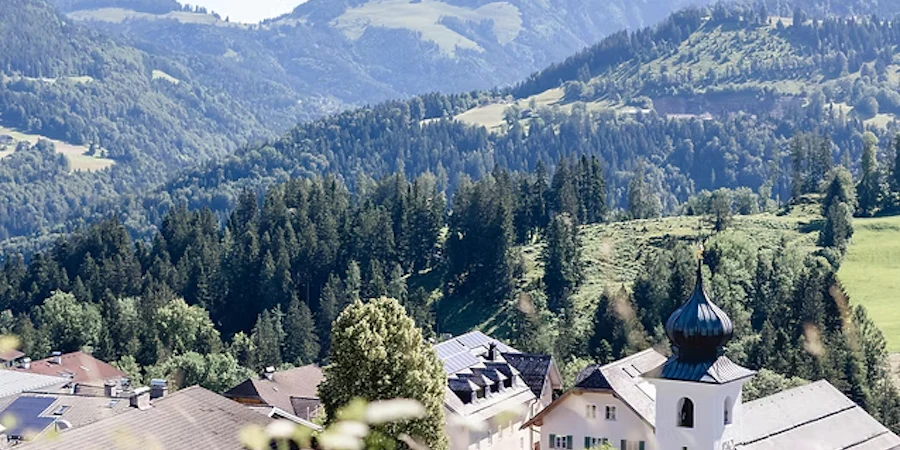
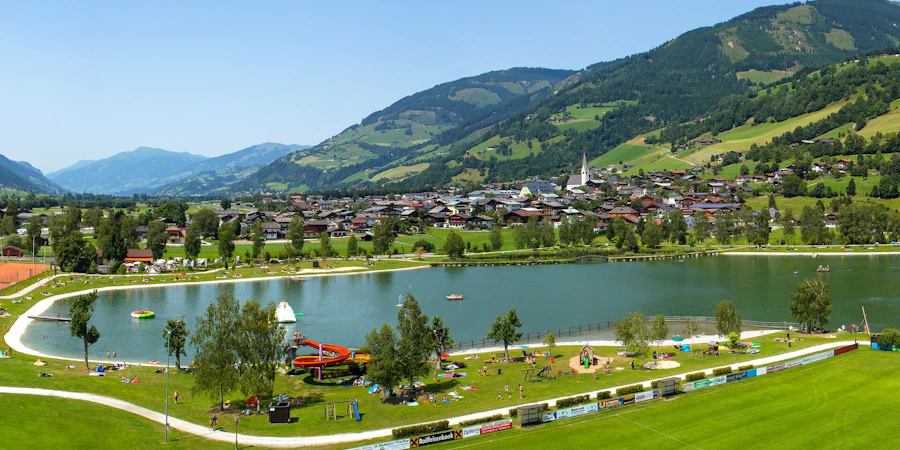
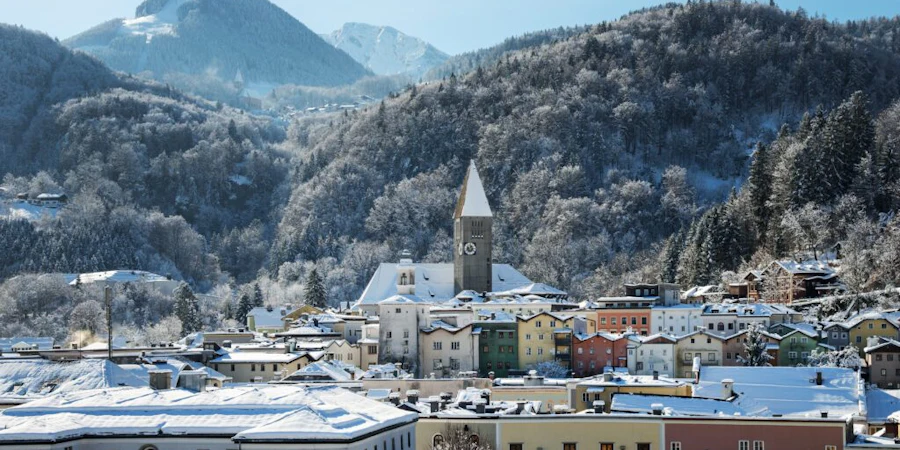
The Saalachtal is not a traditional “town” with a defined center, but rather a valley region consisting of several villages and settlement cores. Accordingly, the building structure is diverse: older single-family homes, established village layouts, smaller multi-unit buildings, and, in some areas, newer residential developments. In the valley floor, settlement areas are more clearly defined, while towards the slopes, the landscape quickly becomes greener and more fragmented.
Living Experience and Atmosphere
In everyday life, the rural character is clearly noticeable, yet many aspects of daily living are well organized, as work, schools, and services are concentrated along the valley axis. The living experience depends strongly on whether one lives close to main connections or deliberately chooses quieter side locations. Those who value proximity to nature will usually find it quickly—however, land and suitable properties are not available in unlimited supply.
Different Areas and Their Characteristics
Within the Saalachtal, micro-locations are crucial. In settlement centers, residents benefit from proximity to local amenities and public transport, though these areas tend to be more lively. Family-oriented locations are often slightly set back, with less through traffic and more space around the home. New developments typically occur where zoning permits it, while established areas are shaped by existing buildings and selective densification.
Location & Accessibility
Transport Connections and Commuting Distances
The valley axis ensures generally good accessibility within the region. Many households are commuter-oriented, as jobs are often located in surrounding larger centers or neighboring regions. For purchasing decisions, actual travel time to work, school, and shopping is more relevant than straight-line distance.
Public Transport and Daily Mobility
Public transport is most practical where stops are within walking distance and service intervals are suitable for daily use. In peripheral locations, reliance on a car increases. For singles and couples, good connectivity can significantly ease daily life, while families often prioritize residential tranquility and a safe environment.
Central vs. Quieter Locations
More central areas offer short distances and often better rental potential but come with more traffic and less privacy. Quieter locations are preferred when gardens, views, or distance from main roads are important. In practice, it is a trade-off: those looking for an apartment in Saalachtal often prioritize proximity to infrastructure, while buyers of houses place greater importance on the immediate surroundings and plot characteristics.
Infrastructure & Daily Life
Local Amenities and Education
Local supply is concentrated in the respective village centers, where groceries, daily services, and schools are most accessible. For families, it is crucial that kindergarten, school, and leisure activities can be managed without long travel times. Smaller settlements may offer less convenience but provide greater tranquility.
Medical Care and Services
Healthcare, pharmacies, and administrative services are generally available within the region, though not always nearby. Older owner-occupiers, in particular, value short distances or reliable connections. For investors, rental potential is also linked to infrastructure and mobility.
Leisure and Green Spaces
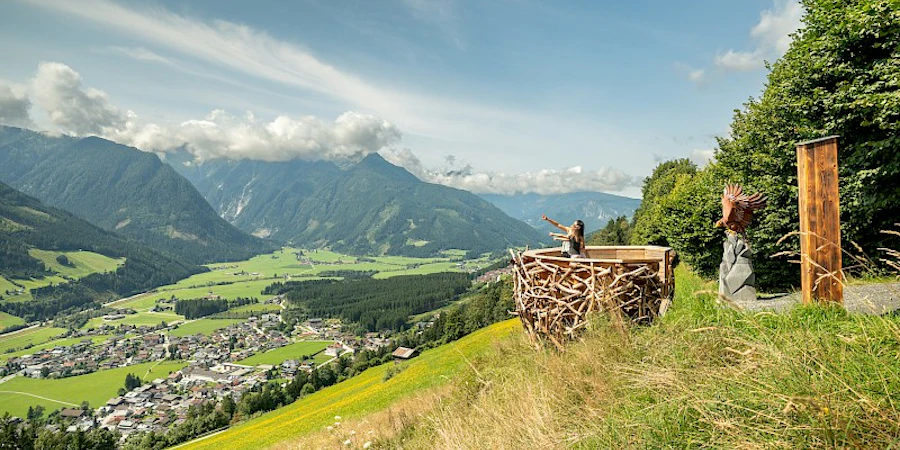
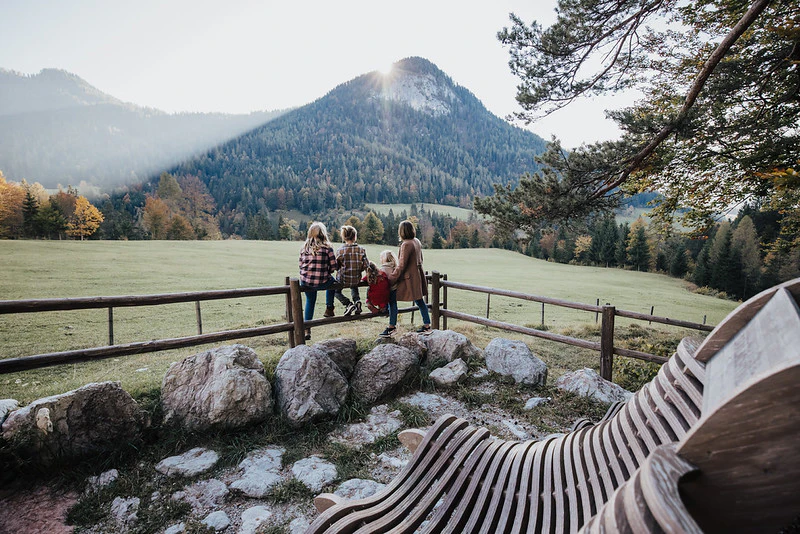
Leisure plays a central role in the Saalachtal. Access to nature is typically quick, and many activities take place directly in the surrounding area. As a result, terraces, balconies, and strong outdoor connections are often valued more highly during property viewings than in purely urban settings.
Residential Areas in Saalachtal at a Glance
Central Residential Areas with Urban Character
In central areas around settlement cores, demand tends to be stable, as daily life and mobility are easier to manage. Buyers looking to purchase an apartment in Saalachtal typically assess condition, operating costs, and the exact location within the village—proximity to main roads can be practical but may also bring noise issues.
Family-Friendly Residential Areas
Families often seek quiet streets, good access to schools and sports facilities, and a practical living environment. Existing single-family homes, semi-detached houses, and occasionally terraced houses are common options. When buying a house in Saalachtal, plot usage is often a key factor: access, parking, garden, sunlight exposure, and potential for expansion.
New Developments and Current Trends
New construction occurs where land is available and zoning allows it. These are typically smaller projects with apartments or compact houses rather than large-scale developments. For buyers, it is important not only to consider features but also how the location performs in everyday life—access, parking, orientation, and neighborhood structure.
Quiet Peripheral Locations with Natural Surroundings
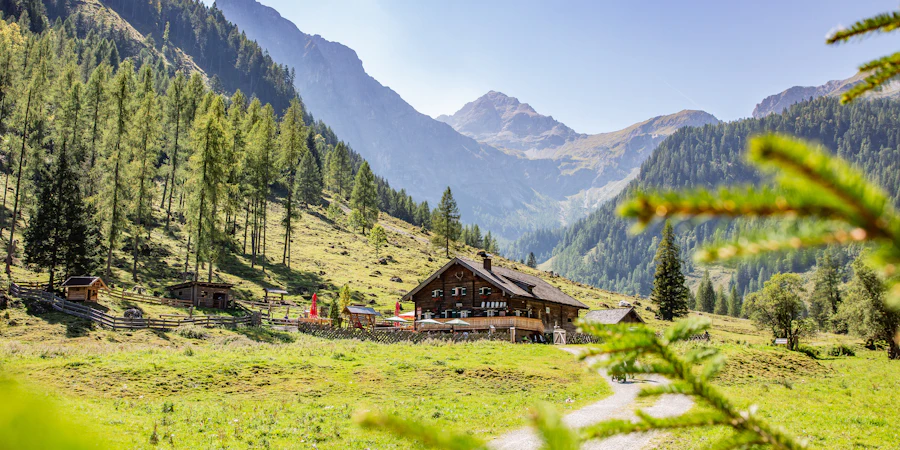
Peripheral areas offer greater proximity to nature and more privacy. At the same time, requirements for mobility and winter suitability increase depending on elevation and access. Those seeking tranquility often accept longer distances, but for future rental potential, it is important to realistically assess demand for such locations.
Leisure & Surroundings
Sports and Recreation
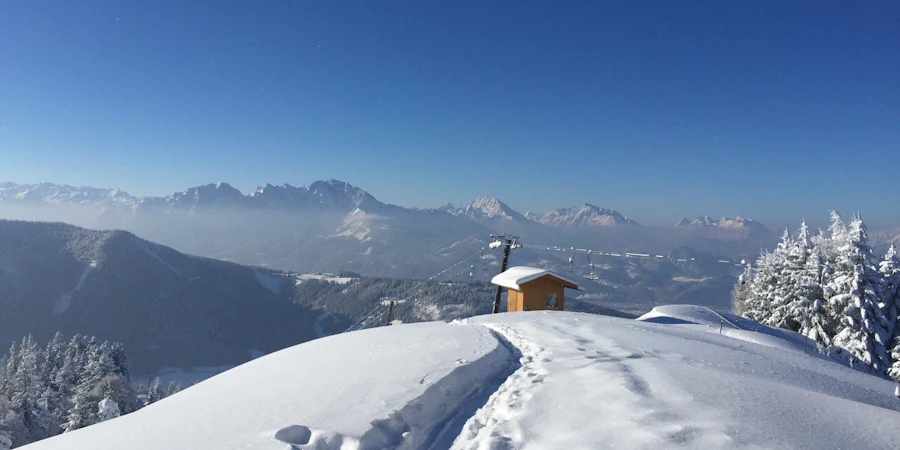
The valley and surrounding mountains shape the leisure value. Whether running, cycling, or winter sports, many activities begin right outside the front door or are easily accessible. This explains why outdoor spaces, storage, and practical layouts are highly valued during viewings.
Dining and Local Offerings
The range of dining options is regionally oriented and concentrated in more active areas. For many buyers, it is not the number of venues that matters, but whether daily needs can be met easily and there is sufficient choice on weekends without long travel distances.
Nature and Recreation Areas
Local recreation is an integral part of daily life. Those living on the outskirts often have direct access to green spaces, while more central residents benefit from short distances while still being close to walking and cycling routes.
Real Estate Market & Demand
Demand for Apartments
Apartments are primarily sought after by owner-occupiers who prefer compact living with regional connectivity, as well as investors focused on rental potential. Key factors include property management, building condition, and micro-location. In practice, an apartment in Saalachtal can vary significantly in value depending on quietness, natural light, and parking solutions.
New Development and Project Planning
Supply is naturally limited, as land in the valley cannot be expanded indefinitely and many areas are already established. New projects appear only occasionally. Buyers looking to purchase property in Saalachtal should therefore consider not only new builds but also existing properties, with a realistic assessment of renovation and operating costs.
Differences by Micro-Location
Significant differences in price and demand exist between main roads, side streets, hillside locations, and areas near village centers. Noise levels, views, sunlight exposure, flood or slope risks, and actual walking distances to public transport often have a greater impact than initially expected.
Owner-Occupiers vs. Investors
Owner-occupiers often make more emotional decisions based on layout and surroundings but increasingly consider energy efficiency and running costs. Investors take a more analytical approach, focusing on rental potential, condition, and target groups: centrally located, well-connected, and practical layouts are generally easier to rent than highly individual properties in remote areas.
Who Is a Property in Saalachtal Suitable For?
Families
For families, a property is suitable if daily life is well organized: school, childcare, leisure, and shopping should function without excessive effort. Central locations often make this easier, while peripheral areas offer more tranquility but require more travel.
Commuters
Commuters benefit from locations that function reliably during peak hours. Proximity to transport routes or public transport stops may be more important than additional square meters. Those looking to buy an apartment in Saalachtal with commuting in mind should test actual travel times at typical hours.
Investors
Investors focus on clear calculations: condition, reserves, operating costs, rental demand, and the breadth of the target group. In many cases, well-designed, practical apartments in everyday-friendly locations are the more robust choice.
Singles and Couples
Singles and couples often look for compact layouts, good mobility, and a convenient living environment. More central locations are often advantageous, while quieter areas suit those prioritizing home office, nature, or privacy.
Summary
- In the Saalachtal, micro-location matters more than the general area name: traffic, tranquility, sunlight, and daily routes are key decision factors.
- Apartments are in highest demand in well-connected areas; for houses, the plot, access, and surroundings are particularly important.
- New developments are limited, while existing properties dominate the market and require realistic evaluation of condition and costs.
- Families, commuters, and investors have different priorities—the right location is usually a matter of balancing these factors.