Character of the Location
Townscape and Building Structure
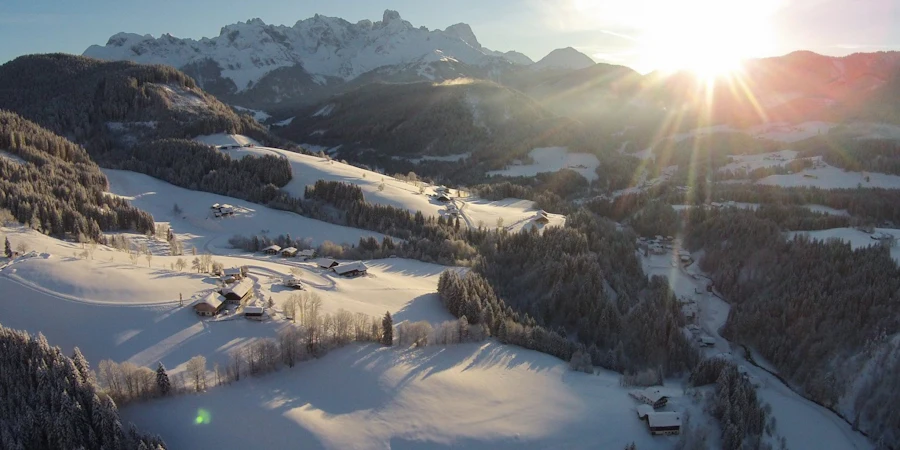
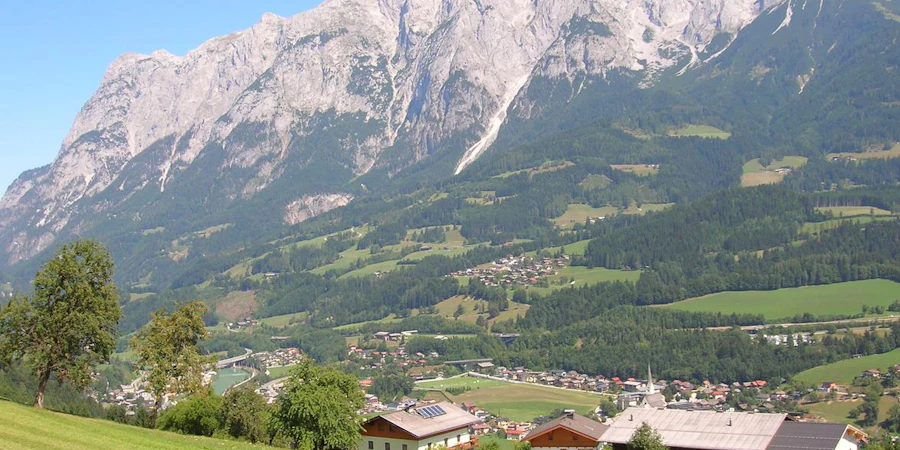
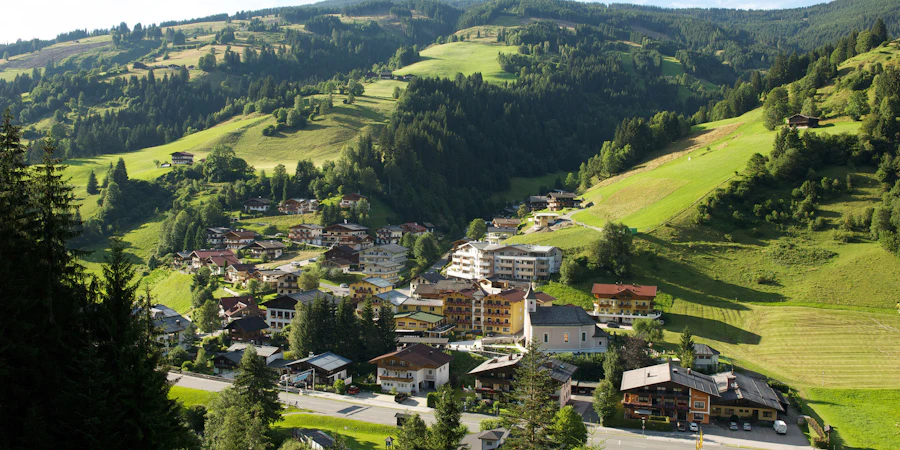
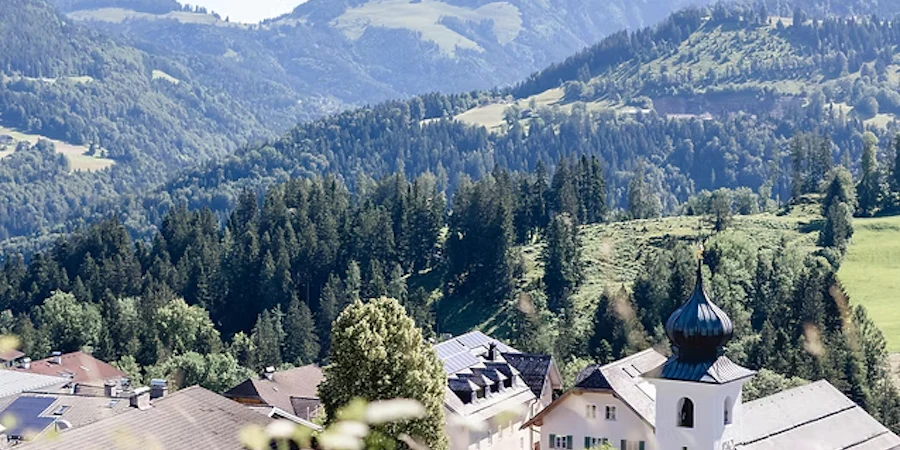
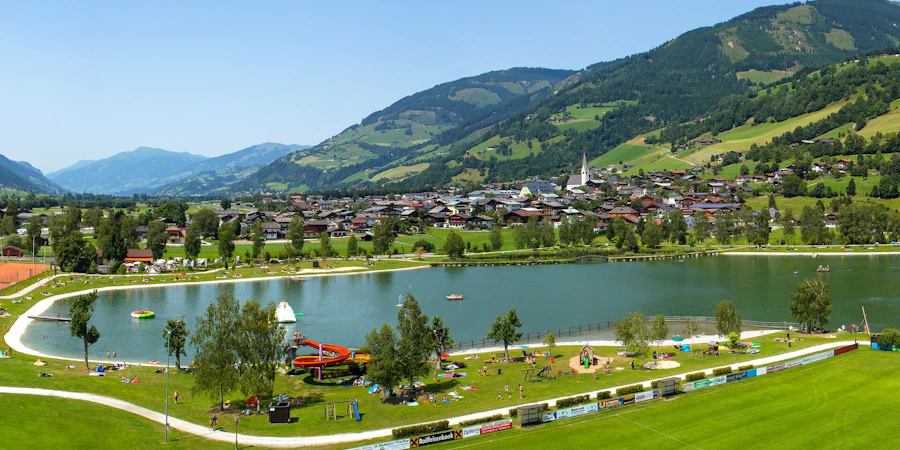
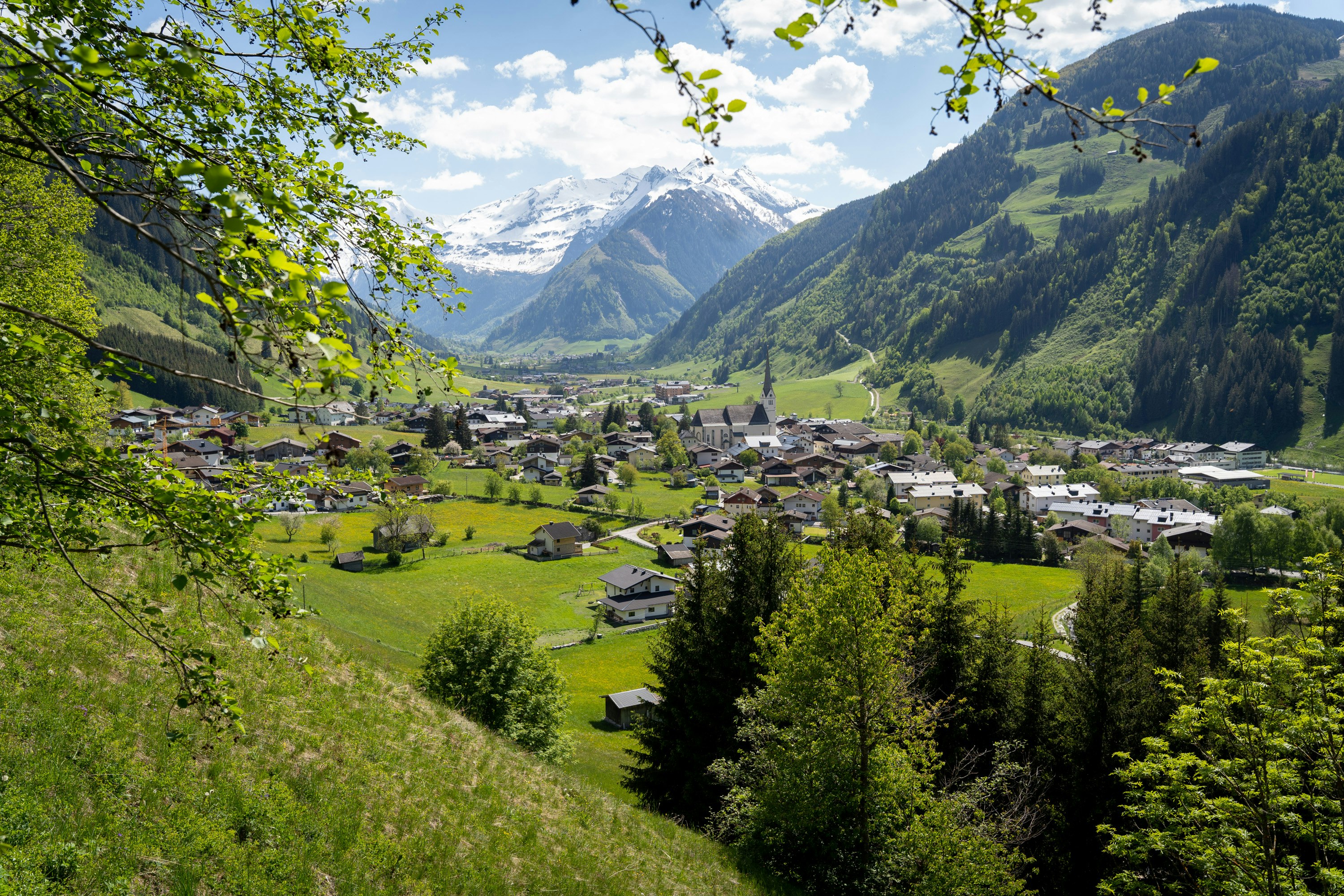
Rauris is not a typical town with clearly defined districts but rather a valley municipality that developed organically, with a compact village center and several settlement areas along the valley axis.
The built environment is characterized by single-family homes, smaller multi-unit buildings, traditional farmhouses, and tourism-related properties. In recent years, a few modern residential developments have been added, generally with modest height and clearly oriented either toward primary residences or second homes, depending on zoning regulations.
Living Environment and Atmosphere
Anyone looking for real estate in Rauris usually makes a conscious decision in favor of tranquility, proximity to the mountains, and a manageable living environment. Daily life moves at a slower pace than in the larger centers of Pinzgau, but distances are short and many things function through personal connections.
During peak tourist seasons, activity increases noticeably, while outside these periods the atmosphere becomes significantly quieter.
Different Areas and Their Character
Differences within Rauris are less about “good” or “bad” locations and more about practicality: proximity to shops, schools, and public transport stops, sunlight exposure, distance from the valley road, and whether the property lies within the village area or toward hillside locations.
The question of potential second-home usage and the specific zoning designation is also part of any serious location assessment in Rauris.
Location & Accessibility
Transport Connections and Commuting Distances
Rauris is located in the Rauris Valley and connected via the valley road to Taxenbach. For commuters, the main routes toward Zell am See, Kaprun, and the Salzach Valley are particularly relevant.
In practice, daily commuters consider winter road conditions, travel time to the nearest railway hub, and parking availability at home.
Public Transport and Everyday Mobility
Public transport exists but naturally operates less frequently than in larger towns. For students, elderly residents, or households with only one car, living within walking distance of bus stops and the village center can be decisive.
Within the core area many daily errands can be completed on foot, while outside the center a car becomes more essential.
Central vs. Quieter Residential Areas
Central locations in Rauris mainly mean proximity to shops, restaurants, and everyday amenities. Quieter residential areas are found in settlement zones away from main traffic routes or in peripheral locations with stronger connections to nature.
Depending on the property, winter accessibility or hillside positioning can also become relevant considerations.
Infrastructure & Everyday Life
Local Amenities and Educational Facilities
Basic everyday services are available within the village, complemented by additional options in nearby regional centers. Families particularly focus on kindergarten and school access as well as safe walking routes.
Anyone planning to buy a condominium in Rauris as a primary residence should consider daily routines not only in summer but also during winter.
Medical Care and Services
Basic medical care and typical services are available locally or in the surrounding area. For specialist doctors or larger facilities, residents usually travel toward the Salzach Valley or Zell am See.
For many buyers this is not a disadvantage, but it is part of a realistic location assessment.
Leisure Opportunities and Green Spaces
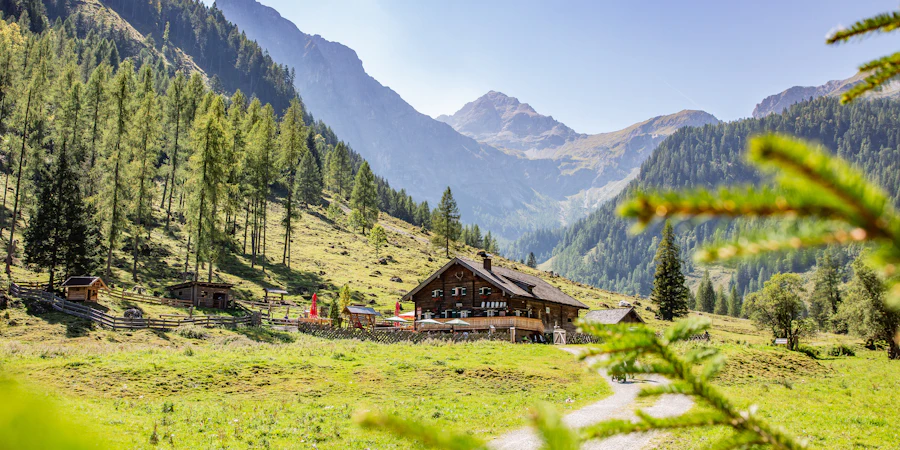
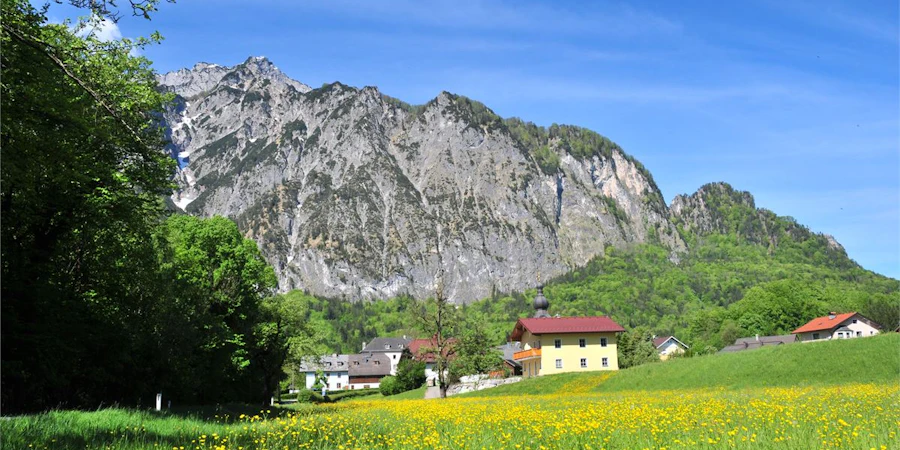
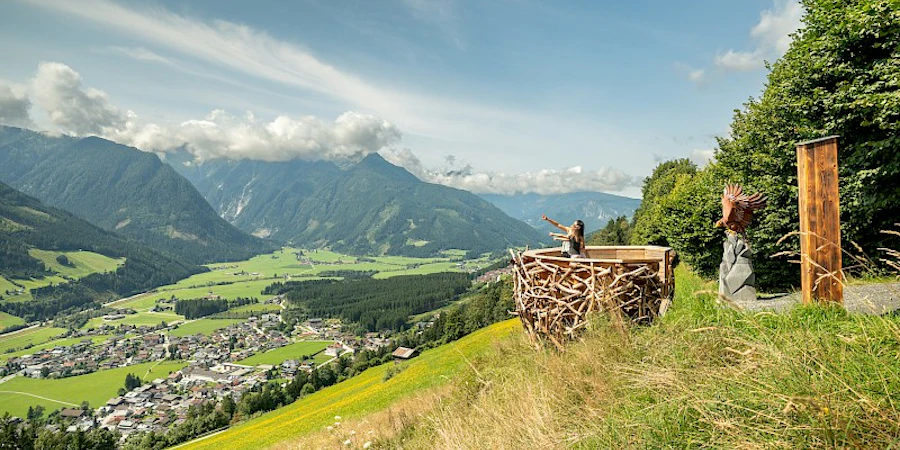
Rauris benefits from nature directly outside the front door. Walking routes, valley cycling paths, mountain tours, and winter sports shape the recreational value of the area.
As a result, demand is driven not only by locals but also by buyers seeking a retreat or a practical holiday property, always within the limits of legal regulations.
Residential Areas in Rauris at a Glance
Central Residential Areas
“Urban” in Rauris simply means the compact village core with short distances. Apartments in smaller multi-unit buildings are particularly practical for households wishing to minimize daily driving.
Buyers considering buying an apartment in Rauris for personal use often look at these locations first because everyday logistics are simpler.
Family-Friendly Residential Areas
Families usually prefer settlement areas with quiet side streets, play areas, and little through traffic. Houses with gardens are common goals here, though plot layout, winter access, and potential exposure to hillside water or avalanche zones must also be carefully assessed depending on the micro-location.
New Developments and Current Trends
New construction in Rauris occurs selectively rather than on a large scale. Buyers should carefully review construction quality, parking solutions, ancillary spaces, and long-term usability.
Anyone looking to buy property in Rauris and preferring new construction will generally encounter smaller projects rather than large residential developments, which means supply is often limited.
Quiet Outskirts with Green Surroundings
Peripheral locations offer more privacy, scenic views, and often larger plots. At the same time, mobility requirements increase and winter maintenance becomes more important.
For buyers who deliberately seek tranquility, these aspects can represent the main advantage of such locations.
Leisure & Surroundings
Sports and Recreation
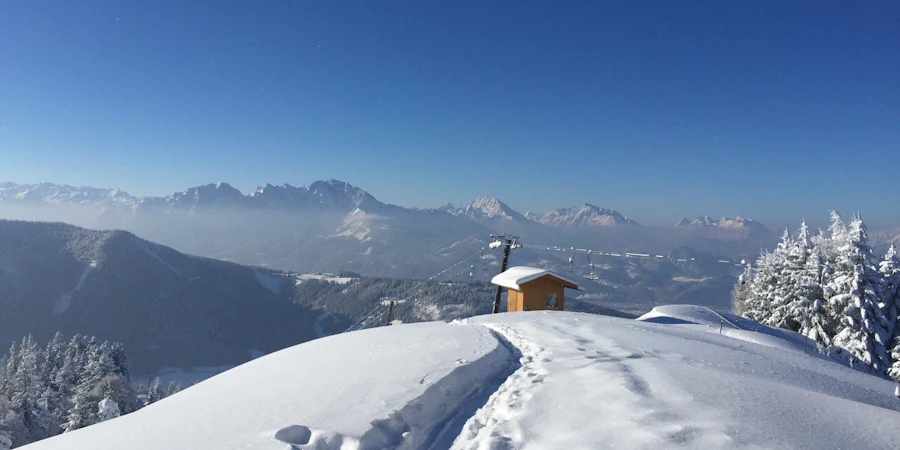
The connection to the national park and the surrounding mountain landscape makes Rauris attractive for active households. In winter the ski area and ski touring routes are relevant, while summer activities include hiking, cycling, and alpine pastures.
For second-home buyers, the flexibility of year-round access is also an important factor.
Gastronomy and Local Offer
Within the village there is a solid selection of restaurants, strongly influenced by seasonal tourism. For many property owners this balance is appealing: more activity and choice during the season and quieter periods in spring and autumn.
Nature and Nearby Recreational Areas
Recreation begins almost directly outside the front door. This influences property selection as well: balconies, terraces, storage areas for sports equipment, and well-designed entrances are particularly valuable in alpine environments.
Real Estate Market & Demand
Demand for Condominiums
Demand for apartments in Rauris comes from several sources: owner-occupiers moving into the valley and buyers with leisure or holiday interests. Depending on zoning and the homeowners’ association, permitted use may be restricted or clearly regulated.
A condominium in Rauris is therefore evaluated not only by size but also by usability, operating costs, and its specific location within the village.
New Construction and Project Development
New projects remain limited in number, which naturally restricts supply. In new developments, construction quality, energy performance, and long-term maintenance planning are particularly important because services and contractors in alpine valleys can be more complex to organize than in urban areas.
For investors, the legally permitted form of rental use is also a decisive factor.
Differences by Micro-Location
Micro-locations play a significant role in Rauris: sunlight exposure, views, proximity to the valley road, winter accessibility, and parking availability all influence demand.
Whether a property lies in the compact village center or in a quieter settlement area also affects marketing time and target buyer groups.
Owner-Occupiers vs. Investors
Owner-occupiers typically prioritize everyday usability, operating costs, and stable neighborhood structures. Investors focus more strongly on rental potential, building regulations, and ongoing costs.
Anyone considering buying a house in Rauris as an investment should carefully evaluate financial projections and legal conditions.
Who a Property in Rauris May Suit
Families
For families, Rauris works well when proximity to nature, short distances within the village, and a quiet environment are priorities. At the same time, everyday logistics—school routes, hobbies, and trips to regional centers—must be realistically planned.
Commuters
Commuters benefit from locations near the valley road and reliable winter access. Many buyers, however, also want quiet surroundings, making it important to balance accessibility with distance from main traffic routes.
Investors
For investors, the decisive factors in Rauris are location, zoning, and building regulations. Rental potential depends strongly on the property’s profile.
A professional property valuation in Rauris therefore considers comparable properties as well as usage restrictions, condition, and operating costs.
Singles and Couples
Singles and couples often look for compact apartments with efficient layouts, parking, and minimal maintenance. Buyers planning to buy an apartment in Rauris typically seek a balance between proximity to the village center and a quiet residential environment.
Summary
- Rauris is a valley municipality where micro-locations play a crucial role: proximity to the village center, sunlight exposure, distance from the valley road, and winter access all significantly influence property value.
- Supply and new construction projects are limited, meaning attractive properties are not continuously available.
- Owner-occupiers focus on everyday practicality and infrastructure, while investors also consider zoning regulations and building rules.
- Land prices in Rauris depend heavily on plot layout, infrastructure access, hillside position, and usability.
- Anyone seeking to understand the value of their property in Rauris should evaluate location, condition, permitted use, and current demand within the valley together.