Character of the Location
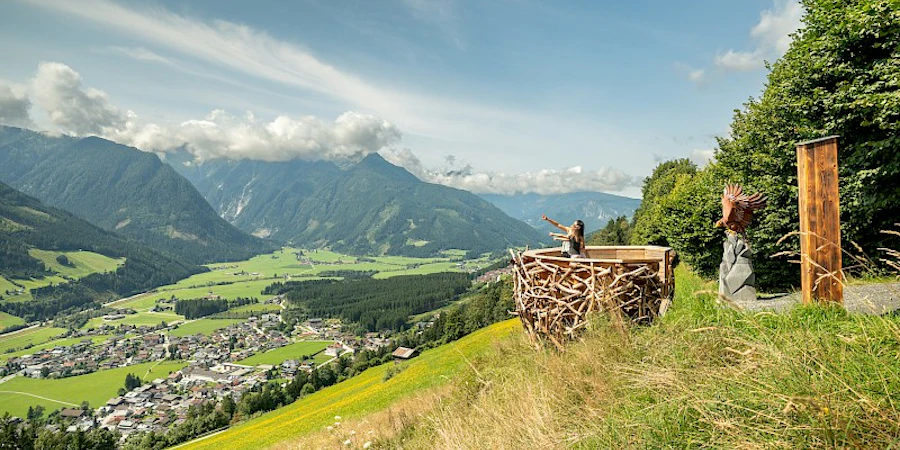
Real estate in Bruck an der Großglocknerstraße is often sought for a very specific reason: you live close to Zell am See and Kaprun while still enjoying everyday life in a manageable community with a clear structure. This is reflected in the local property market—from traditional single-family homes to smaller residential developments.
Cityscape and Built Structure
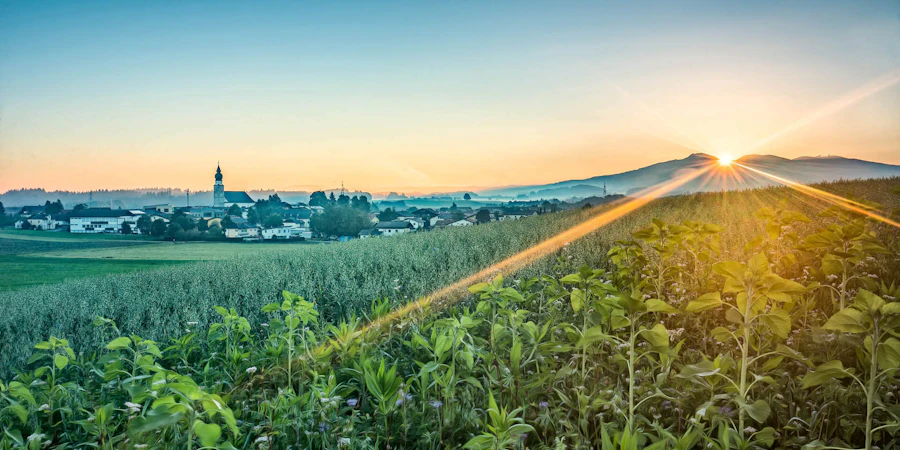
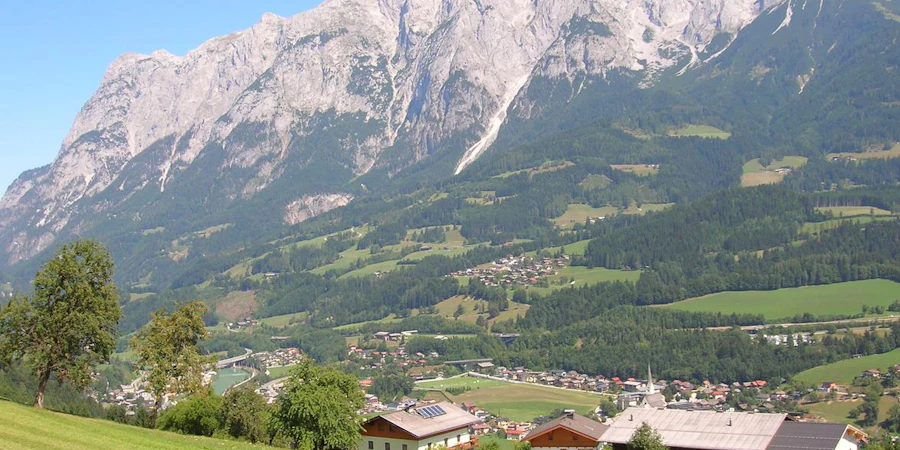
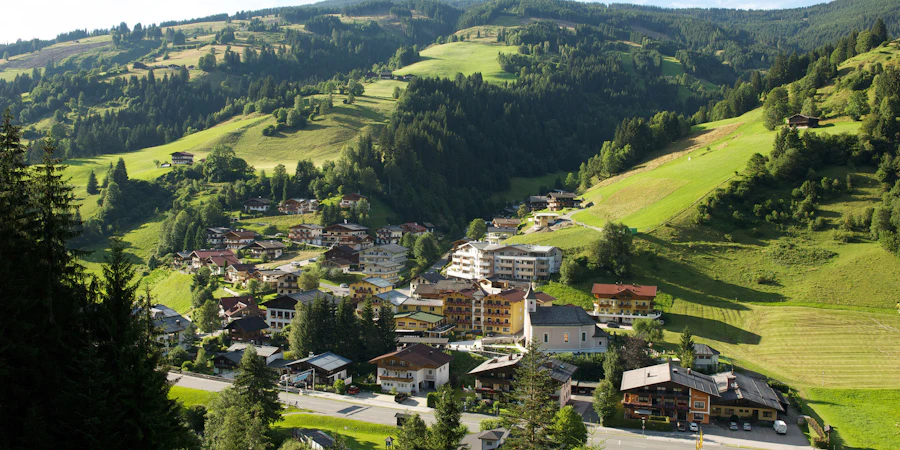
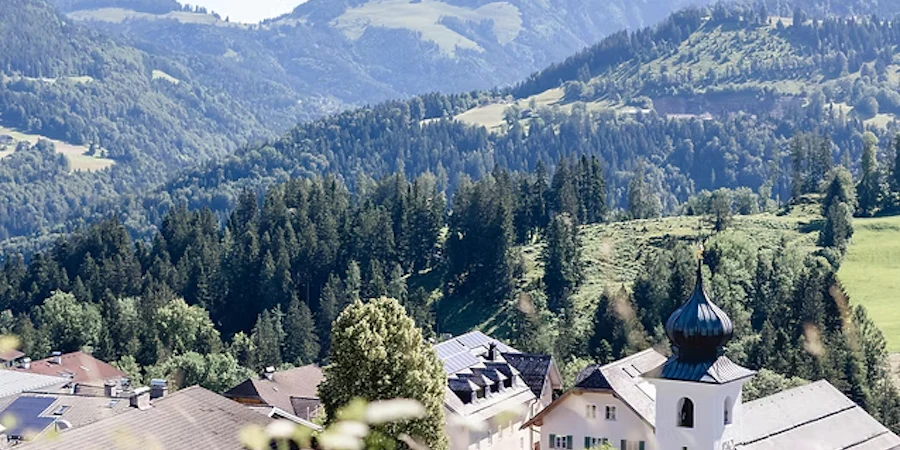
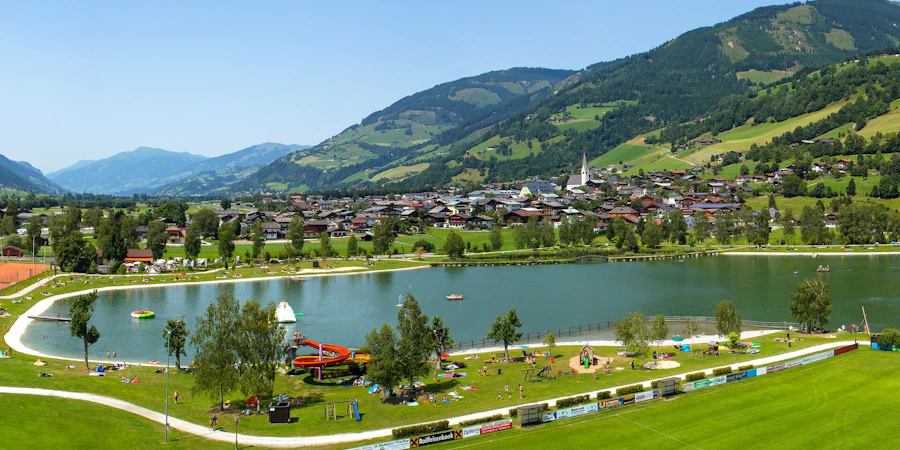
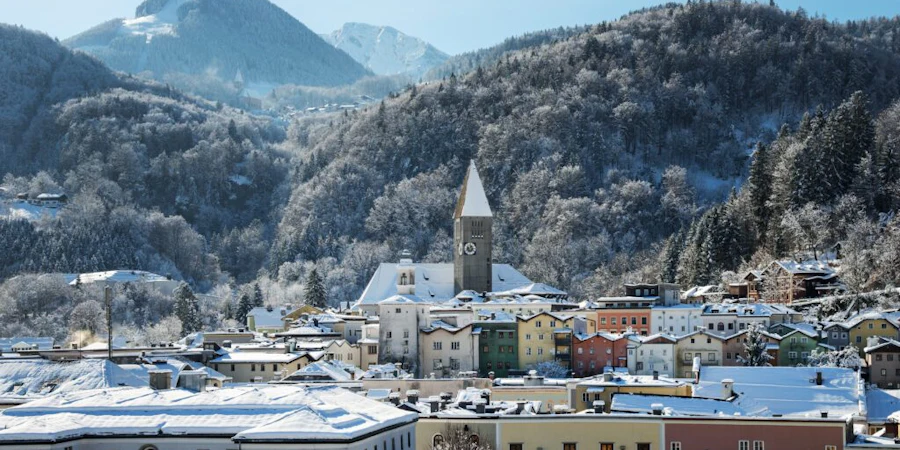
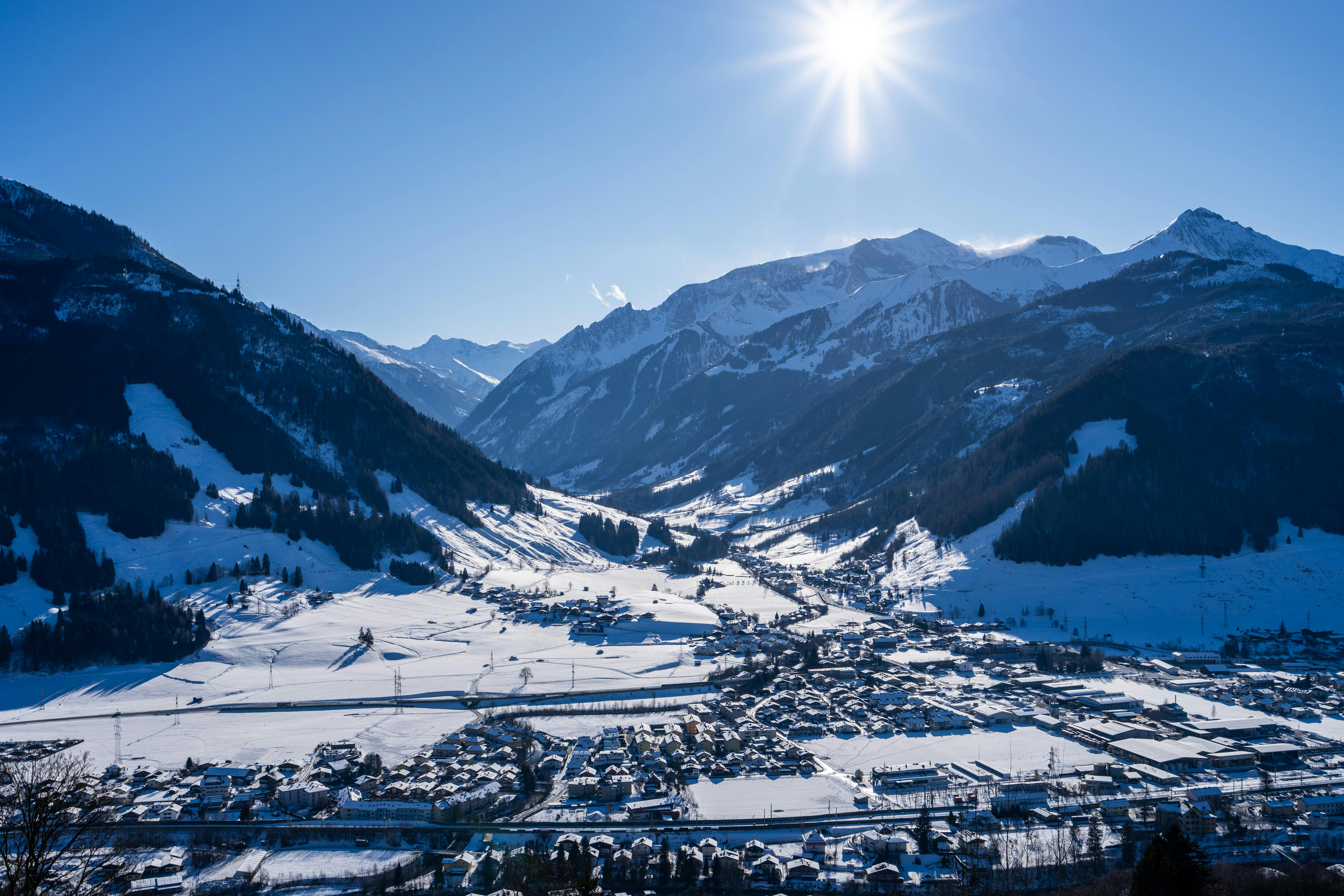
Bruck does not feel like a compact city but rather like a historically developed village with several residential areas. In the town center, older residential buildings and mixed-use properties stand side by side, while the outskirts are dominated by single-family houses, semi-detached homes, and smaller new developments.
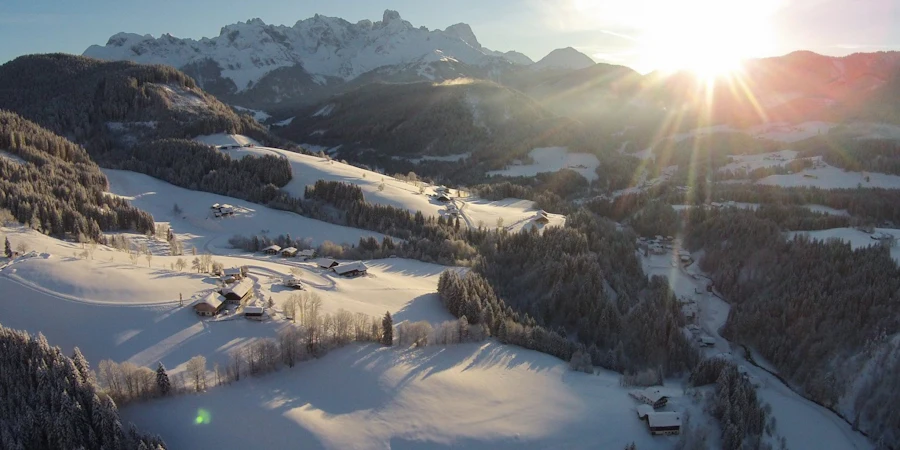
Hillside locations are typical, and aspects such as orientation, driveway access, and winter snow conditions can noticeably influence the practicality of a property.
Living Experience and Atmosphere
In everyday life, Bruck feels quiet without being isolated. Distances are short, and at the same time the proximity to the larger centers in Pinzgau remains noticeable.
The living experience depends largely on whether you choose a more central location with greater activity or a residential area with more greenery and distance from the main traffic routes.
Different Areas and Their Characteristics
Around the town center, life is somewhat denser: more traffic flow, more everyday infrastructure, but usually smaller plots.
Residential areas away from the main roads become noticeably quieter, often offering better sunlight exposure and more privacy. Hillside and panoramic locations are popular but also come with practical considerations such as access roads, parking, and terrain layout.
Location & Accessibility
Transport Connections and Commuting Distances
Bruck is attractive for commuters because Zell am See and Kaprun can be reached quickly. Connections toward Saalfelden and the Salzach Valley are also practical, depending on workplace and time of day.
Anyone commuting regularly should check how quickly the property connects to regional transport routes without being located directly along heavy through-traffic.
Public Transport and Everyday Mobility
Public transport connections are available and usable in daily life, especially for school routes and regional travel.
However, many households remain car-oriented, particularly in peripheral locations or for shift work. Buyers should realistically consider the distance to the nearest bus stop and the service frequency according to their daily schedule.
Comparing Central and Quieter Locations
Living centrally in Bruck means shorter distances and more infrastructure within reach, but typically less quiet surroundings and sometimes tighter parking conditions.
Quieter locations are usually found in residential areas away from the main road or in slightly elevated neighborhoods. In these areas, views, sunlight exposure, and neighborhood structure often become more important than distance to the town center.
Infrastructure & Everyday Life
Local Amenities and Education
Everyday amenities are available within the village and nearby communities. For larger shopping trips or a broader selection of stores, residents often travel to nearby centers.
Families pay particular attention to routes to kindergarten and school as well as safe pedestrian crossings. These factors can clearly differentiate good micro-locations from others.
Medical Services and Local Services
Basic medical care and everyday services are accessible locally, while specialized services are usually located in nearby towns.
For older buyers or those considering long-term usability, accessibility features such as elevators, barrier-free entrances, and proximity to pharmacies and medical practices become important.
Leisure Activities and Green Spaces
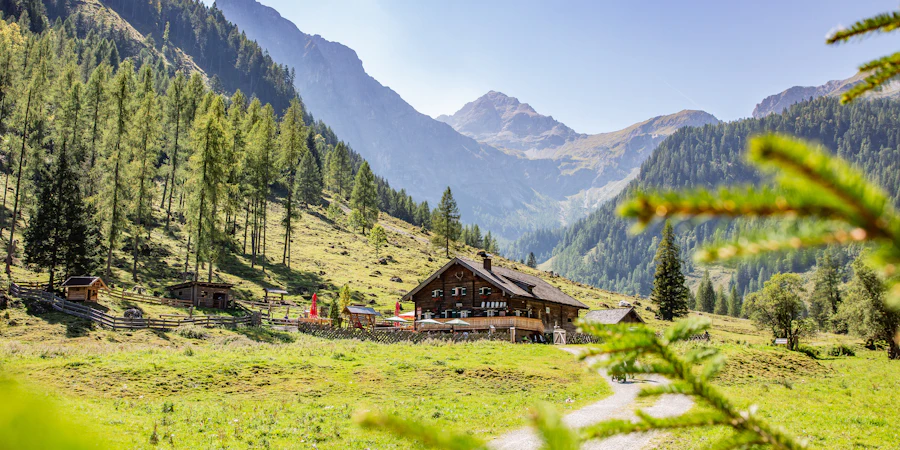
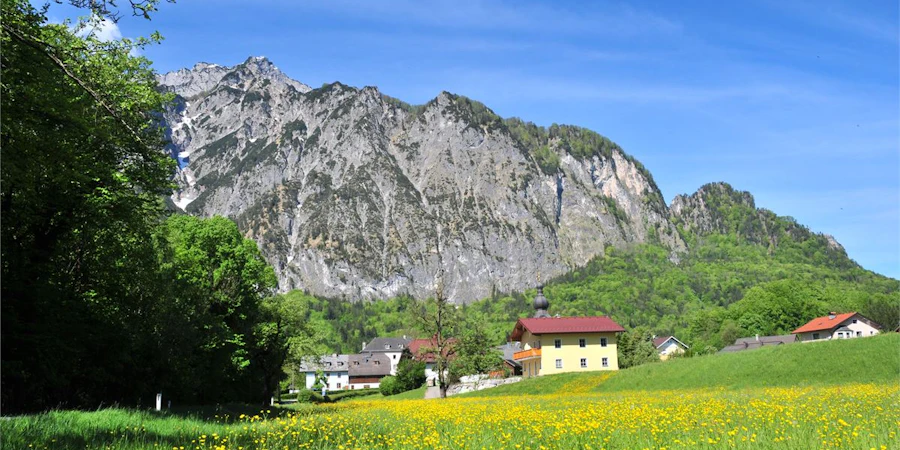
The location at the edge of the Alpine region shapes everyday life. Walking trails, cycling routes, and quick excursions into the mountains are all close at hand.
At the same time, many residents use Bruck as a home base while taking advantage of the leisure infrastructure in Zell am See or Kaprun.
Residential Areas in Bruck an der Großglocknerstraße at a Glance
Central Residential Areas with an Urban Environment
Around the town center and along the more frequented streets, properties tend to have smaller plots, mixed-use buildings, and short walking distances.
A condominium in Bruck an der Großglocknerstraße in these areas is often attractive to buyers who prioritize practicality and everyday accessibility rather than large outdoor spaces.
Family-Friendly Residential Areas
Families often focus on quiet streets, nearby play areas, and neighborhoods where children can move around safely.
Buying a house in Bruck an der Großglocknerstraße is particularly appealing in these areas when gardens, parking spaces, and good sunlight exposure come together. Practical daily routes to schools or sports facilities often become decisive factors.
New Developments and Current Projects
New construction in Bruck usually appears selectively, often in the form of smaller residential complexes or more compact single-family and semi-detached housing projects.
For buyers interested in new developments, energy efficiency, layout quality, and parking availability are key aspects. New projects tend to be smaller in scale rather than large residential districts.
Quiet Outskirts with Green Surroundings
Peripheral and slightly elevated areas often offer more privacy, better views, and quieter surroundings.
However, daily travel distances become longer, and dependence on a car increases. For building plots in these areas, terrain slope, plot layout, and infrastructure connections become more important considerations.
Leisure & Surroundings
Sports and Recreation
Bruck is an excellent starting point for outdoor activities—from short evening walks to extended tours into the surrounding valleys and mountains.
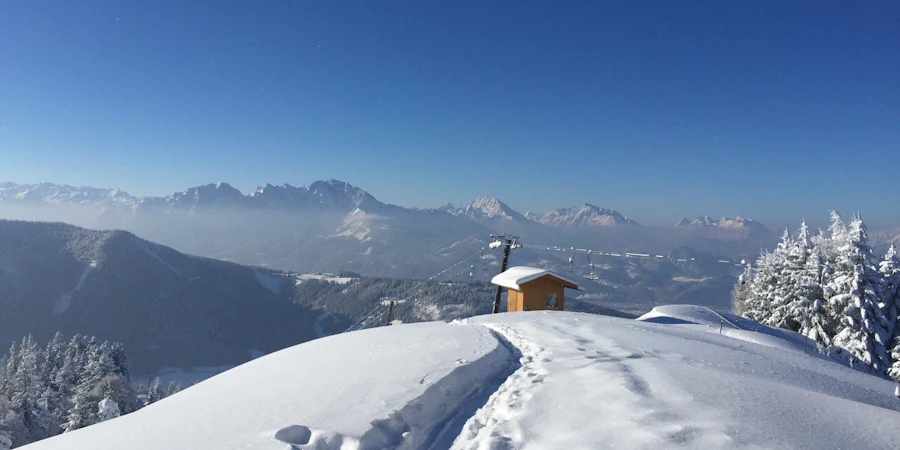
In winter, the nearby ski regions are easily accessible, while in summer cycling and hiking dominate local recreation.
Gastronomy and Local Offerings
Within the village itself, the gastronomic offer is relatively traditional and modest. A wider variety of restaurants and cafés can be found in nearby towns.
For many residents, this balance is ideal: a quieter home environment combined with easy access to more vibrant locations nearby.
Nature and Local Recreation
The proximity to rivers, valleys, and the Alpine mountains has a strong influence on residential quality.
When viewing properties, it is worthwhile to pay attention to potential noise sources as well as wind and shading conditions—particularly in valley locations where these factors can vary significantly depending on micro-location.
Real Estate Market & Demand
Demand for Condominiums
Demand for apartments comes from both local residents and newcomers working in the Zell am See or Kaprun region.
A condominium in Bruck an der Großglocknerstraße is especially attractive when it offers practical layouts, adequate parking availability, and a transparent operating cost structure.
New Construction and Project Development
Project developments exist but are not available in every price segment or location.
Anyone planning to buy property in Bruck an der Großglocknerstraße should remain flexible. Sometimes a well-maintained existing property is more suitable than a new development—and sometimes the opposite is true. The key factor is whether location, condition, and intended use align.
Differences by Micro-Location
Price and demand variations within the town can be noticeable. Proximity to through-traffic roads, orientation, views, parking availability, and walkability often influence attractiveness more than the address itself.
For land plots, comparisons must be made carefully: land prices in Bruck an der Großglocknerstraße often depend on infrastructure access, building regulations, and topography rather than simply on the price per square meter.
Owner-Occupiers vs. Investors
Owner-occupiers typically focus on everyday comfort, tranquility, and long-term usability.
Investors analyze rental potential, maintenance risks, and demand for well-designed apartments. In both cases, careful evaluation of the property and location is more important than drawing quick conclusions from a few comparable listings.
Who an Apartment in Bruck an der Großglocknerstraße Is Suitable For
Families
Families benefit from residential areas where safe routes for children exist and where nearby towns can be reached without long detours.
Those needing more space often find better options with houses rather than smaller apartments.
Commuters
Commuters benefit from Bruck’s proximity to Zell am See and Kaprun as well as its position within the Pinzgau transport network.
It is important to assess actual travel times from the specific micro-location, as hillside locations and winter conditions can influence daily routines.
Investors
Investors find a market in Bruck where solid, easily rentable units can perform well when location and condition are right.
A realistic calculation considers not only rent and operating costs but also reserve funds, renovation status, and the quality of property management.
Singles and Couples
Singles and couples often prefer compact apartments with practical layouts, parking spaces, and quick connections to nearby towns.
Buying an apartment in Bruck an der Großglocknerstraße can be particularly suitable when the balance between quiet surroundings and proximity to regional centers fits the buyer’s lifestyle.
Summary
- Bruck combines short distances to Zell am See and Kaprun with a relatively quiet residential environment.
- Micro-location plays a decisive role: proximity to through traffic, views, sunlight exposure, parking availability, and topography all influence property attractiveness.
- Families prioritize quiet streets and practical everyday routes, while commuters focus on transport connections.
- Building plots should be compared carefully, particularly regarding infrastructure access and terrain conditions.